Separating hair loss facts from internet myths
The internet is full of miracle cures for hair loss, but biology does not work that way. I am here to clear up common misconceptions and explain what actually works for your scalp.
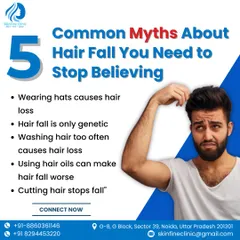
Does wearing a helmet cause hair loss? This is a common myth. The fact is, your hair gets oxygen and nutrients from your internal blood supply, not the air. While a very tight helmet can cause scalp issues like dandruff due to lack of hygiene, the helmet itself is not the root cause of genetic hair loss.
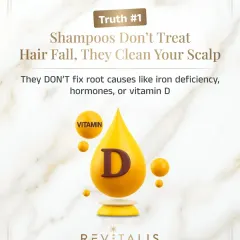
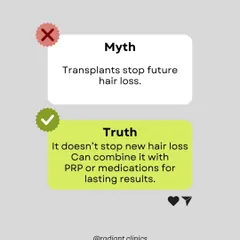
The myth that supplements alone can cure hair loss is widespread. While a deficiency can cause hair fall, popping pills without a proper diagnosis will not reverse genetic or hormonal hair loss. The solution is not that simple.
Here are the facts. Supplements are only effective if a nutritional deficiency like low iron or zinc is the confirmed cause of your hair loss. They do not work for genetic hair loss, hormonal imbalances like PCOS, or scalp conditions, which all require targeted medical intervention.
Instead of relying on supplements, a systematic approach is what truly works. The first step is to identify the root cause with a proper diagnosis from a dermatologist. Only then can we use proven treatments like Minoxidil, Finasteride, or PRP for lasting results.
Many patients who smoke ask if it affects their hair. Smoking constricts blood vessels, which reduces blood flow to the scalp. This can accelerate hair loss and negatively impact the healing and final density of a hair transplant. Quitting smoking is beneficial for your overall health and your hair.
About Debunking Hair Loss Myths
A key point many patients miss is that hair loss treatments are ineffective if the root cause is ignored. If you are blindly popping supplements without knowing if your hair fall is triggered by genetics, thyroid fluctuations, or a specific nutritional deficiency, you are likely wasting both time and money. A proper digital trichoscopy analysis is the only way to map your follicular health and build a treatment plan that actually works.
Misinformation is the biggest hurdle in effective hair treatment. People often look for simple, over-the-counter answers, but hair health is a complex medical matter.
Common Myths vs. Reality
- Helmets: Wearing a helmet may cause dandruff or scalp inflammation if you do not maintain hygiene, but it does not cause genetic hair loss. Your hair gets nutrients from your blood supply, not the air.
- Supplements: Biotin and general multivitamins are only helpful if you have a documented nutritional deficiency. They cannot override genetic balding or hormonal conditions like PCOS or thyroid dysfunction.
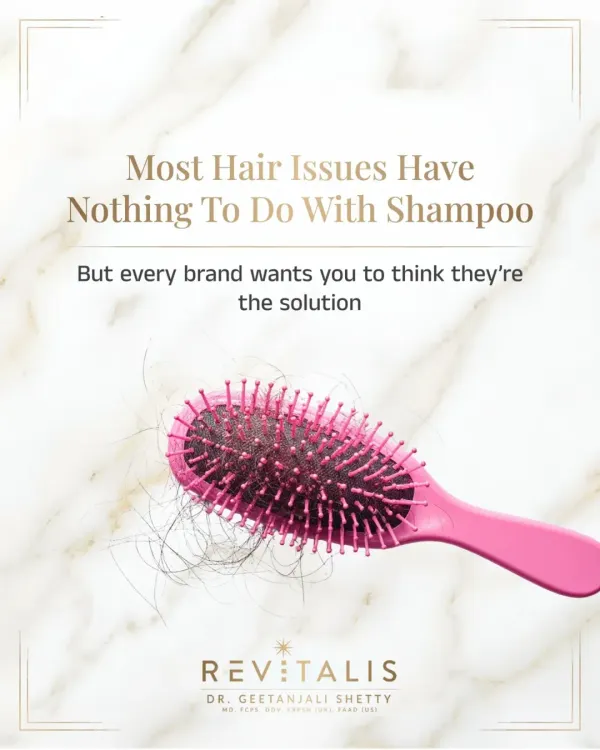
- Quick Fixes: There is no magic shampoo, oil, or patch that reverses patterned baldness. These are often cosmetic cover-ups that do not address the biological thinning of the follicle.
Our Systematic Approach
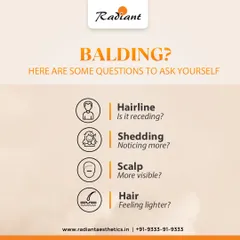
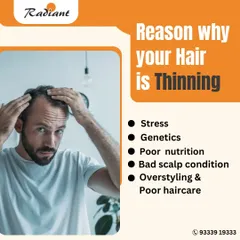
We do not guess. Our clinical assessment begins with a digital trichoscopy to measure your exact hair density and examine the condition of your follicles. We review your medical history—including stress levels, diet, and systemic health—before recommending anything.
Only after identifying the root cause do we discuss medical management. This might include FDA-approved treatments like Minoxidil or Finasteride to control further loss, or regenerative therapies like GFC and PRP to stimulate your body's own healing mechanisms.
The Need for Patience
Hair restoration is a biological process. Results are not immediate, and shedding is a normal part of the growth cycle. You generally need to commit to a treatment plan for 3 to 6 months to see visible progress, and up to a year for full results. If you are looking for an honest assessment of your hair health rather than a quick fix, I am here to help.
Similar work from other experts
Browse through Curated picks from other experts on mytribe
Hair Loss Myths Debunked: Expert Q&A with Dr. Kunal Singh
 4
4
Understanding Hair Loss: Causes and Real Treatments
 5
5
Hair & Scalp Health: Moving Beyond Common Myths
 9
9

Hair Care Myths vs. Facts: What Really Works for Your Hair
Understanding Hair Loss: Expert Guidance on Causes & Care
Hair Care Questions Answered: Science-Backed Truths
More from Non-Surgical Hair Loss Treatments by AllôRoots
More services by AllôRoots