Identifying the Root Causes of Your Hair Loss
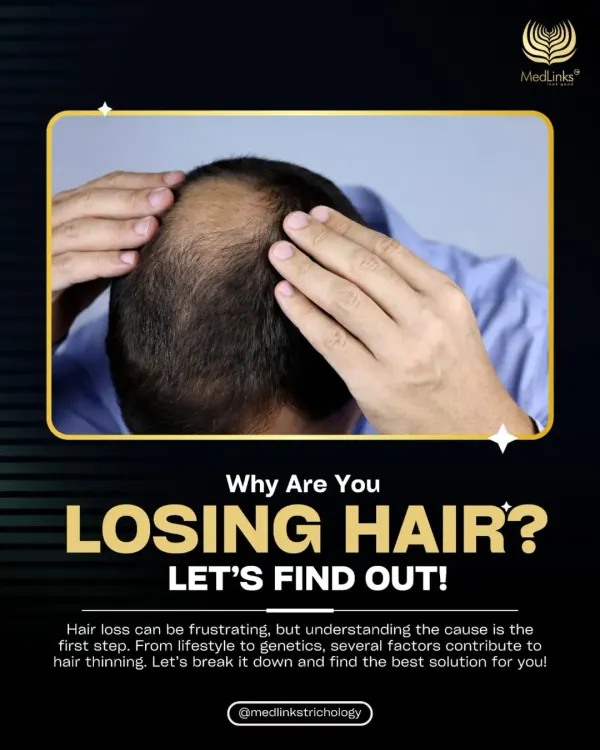
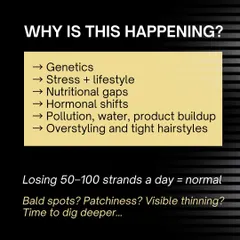
Hair loss is rarely just one issue. Whether it is genetics, hormonal shifts, or nutritional gaps, pinpointing the specific trigger is the only way to treat it effectively.
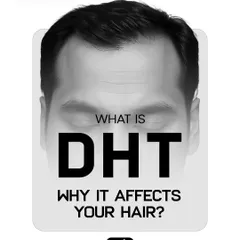
Can genetic hair loss be prevented? The answer is yes, if we intervene early. This type of hair loss is caused by genetics and the hormone DHT. While these factors are non-modifiable, medical management started at the first signs of thinning can effectively control and prevent its progression.
This video explains Alopecia Areata, or patchy hair loss. It is an autoimmune condition where the body's immune system mistakenly attacks hair follicles. Fortunately, the damage is usually not permanent, and with the right diagnosis and treatment, regrowth is possible.
If you are noticing diffuse hair loss, where hair is thinning all over your scalp, it is often due to a condition called Telogen Effluvium. This is typically triggered by factors like stress, illness, or nutritional gaps.
Your hair grows in a cycle. This graphic introduces five common factors that can disrupt this cycle, pushing hair from the growth phase into the shedding phase prematurely, leading to noticeable thinning.
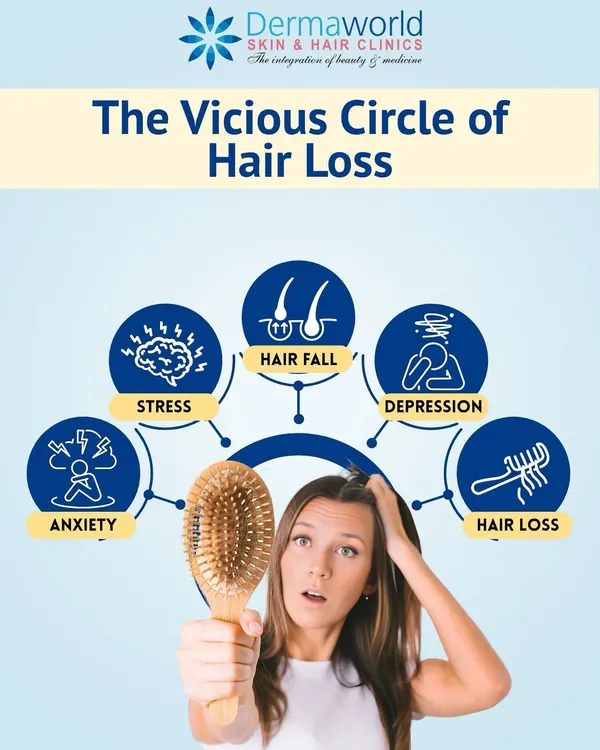
Chronic stress is a significant contributor to hair damage and loss. When your body is under stress, it can push hair follicles into a resting phase, leading to increased shedding over time. Professional treatments can help restore hair that has been damaged by stress.
In this video, I explain genetic hair loss in Hindi. I discuss its two main causes, family history and the hormone DHT, and emphasize that early intervention with proper medical treatment and a healthy lifestyle can prevent significant balding.
For patchy hair loss, or Alopecia Areata, a clinical diagnosis is key. This video explains how I diagnose the condition, often with a scalp biopsy, and the treatment options available, from topical creams for localized patches to oral medications for more extensive cases.
This is a brief overview of how I diagnose and treat Alopecia Areata. The fact is, this condition is not infectious or caused by a nutritional deficiency. We have very effective modern treatments to manage it.
Nutritional deficiencies are a key reason for hair thinning. A lack of essential nutrients like protein, iron, zinc, and biotin directly weakens the hair structure, making it prone to shedding. Your diet is fundamental to your hair's health.
Poor scalp hygiene is a direct cause of hair problems. A dirty scalp leads to clogged follicles, inflammation, and infections, creating an environment where healthy hair cannot grow. A clean, balanced scalp is non-negotiable.
About Understanding the Causes of Hair Loss
I don't look for one-size-fits-all solutions because your biology is unique. During a consultation, we move beyond guesswork by using digital trichoscopy to map your follicular health and analyze factors like thyroid levels, PCOS, or nutritional gaps. If you are struggling, stop searching for 'magic' fixes online—let’s identify the actual, clinical trigger so we can build a plan that works for you, not just a standard protocol.
Hair loss is a medical condition, and the only way to manage it is to address the cause. People often spend months trying oils or shampoos, only to find the shedding continues. That happens because they are masking a symptom, not treating the problem.
The Science of Genetic Shedding
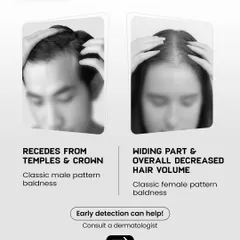
Genetic hair loss, often called male pattern baldness, is driven by the hormone DHT (Dihydrotestosterone) and your family history. While these factors are non-modifiable, they are manageable. We do not just 'wait and see.' By intervening early with precise medical management, we can slow down the shrinking of hair follicles and maintain your existing density.
When Stress Controls Your Hair Cycle
We often see 'diffuse' hair loss—thinning all over the scalp—following periods of high stress, illness, or major life changes. This is typically Telogen Effluvium. Stress raises cortisol levels, effectively shocking your follicles into a resting or shedding phase. The good news is this type of loss is usually reversible once the trigger is managed, but you need to act before it becomes chronic.
Nutritional and Scalp Health
Hair is a non-essential tissue; your body prioritizes vital organs first. If you are deficient in protein, iron, zinc, or biotin, your hair pays the price. Similarly, a neglected scalp is a breeding ground for inflammation and dandruff, which essentially smothers your follicles. A healthy scalp is non-negotiable for hair growth.
My Diagnostic Process
I rely on clinical evidence, not guesses. Whether I am examining your scalp under a microscope or reviewing your blood reports for thyroid and hormonal balance, every step I take is designed to build a treatment plan specifically for you. Stop blaming yourself or falling for quick fixes. If you want to understand why your hair is thinning and what can actually be done about it, let’s sit down and diagnose the problem together at my Delhi or Bhubaneswar clinic.
Similar work from other experts
Browse through Curated picks from other experts on mytribe
Diagnosing the Real Cause of Your Hair Loss
Understanding the Root Causes of Your Hair Loss
Finding the Root Cause of Hair Loss
Understanding Your Hair Loss: Diagnostic Medical Care
 4
4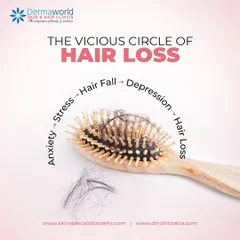
Understanding Hair Loss: Causes, Diagnosis & Real Solutions
 12
12
Understanding Your Hair Loss: Causes, Stages, and Real Solutions
More from Non-Surgical Hair Loss Treatments by AllôRoots
More services by AllôRoots