Understanding Hair Loss: Expert Guidance on Causes & Care
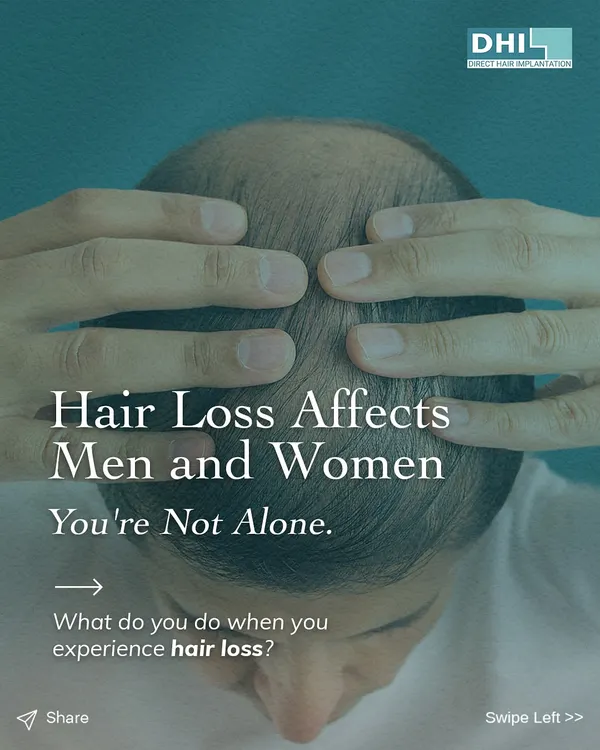
Hair loss is a personal journey, not just a cosmetic issue. Together, let's decode the science behind your thinning hair, identify the causes, and figure out the right path—whether that is medical guidance or lifestyle changes.
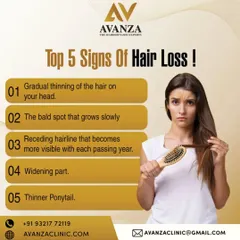
It's crucial to identify the early signs of hair loss so we can act before it becomes advanced. This short guide shows you what to look for: increased shedding in your comb or shower, a visible thinning of hair on the scalp, changes in hair texture, or a receding hairline. If you notice these, it's a good time for a consultation.
If you suspect you are experiencing balding, ask yourself these simple questions. Is your hairline moving back? Are you noticing more hair shedding than usual? Is your scalp more visible? Does your hair feel lighter or less voluminous? Answering yes to these may indicate the onset of pattern hair loss.
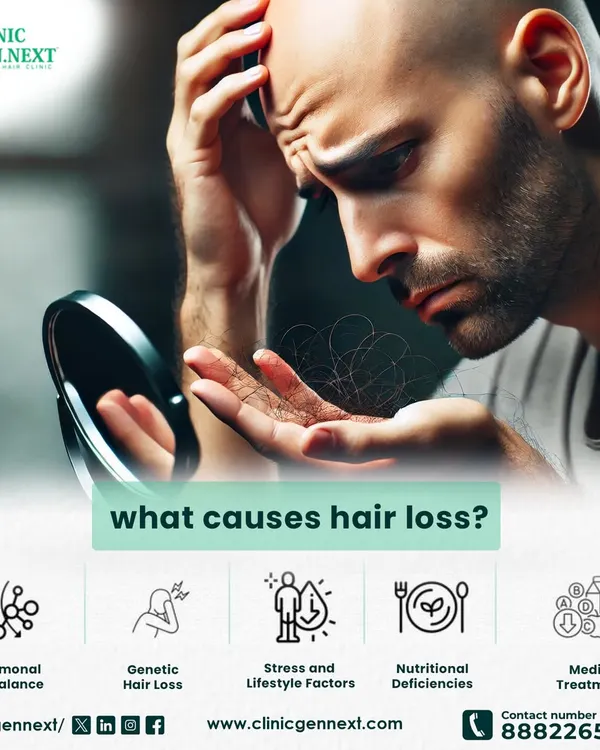
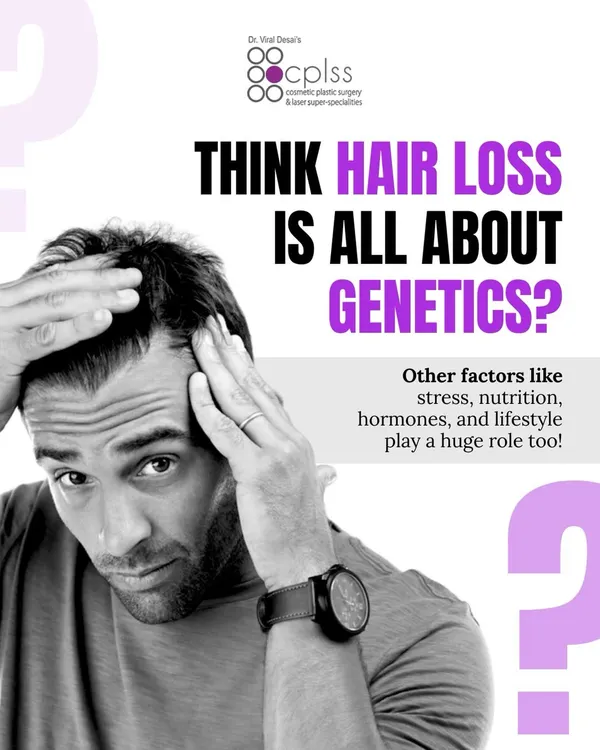
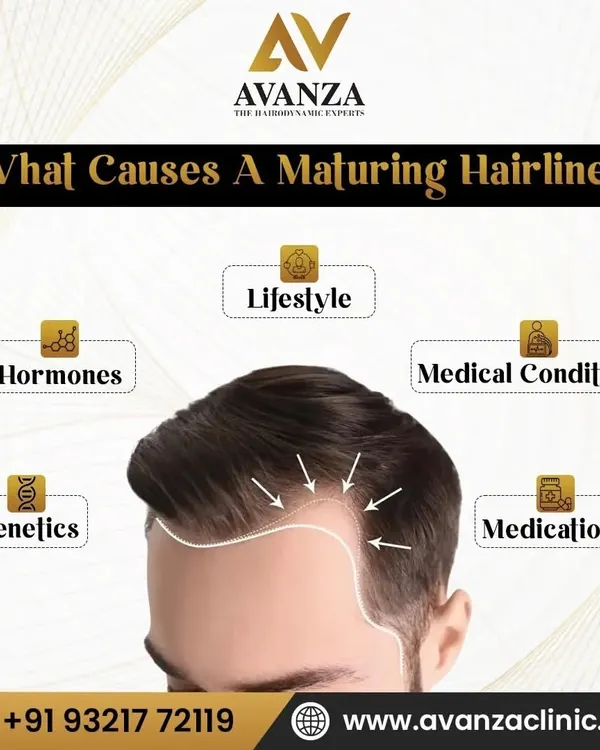
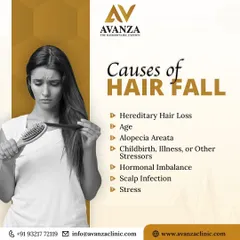
Hair thinning is not caused by a single factor. It can be a combination of genetics (androgenetic alopecia), stress, poor nutrition, or even harsh hairstyling habits. During a consultation, my first goal is to diagnose the primary reason for your hair loss to create an effective treatment plan.
It's important to separate myth from truth. A common misconception is that a hair transplant is a one-time fix for all future hair loss. The truth is, a transplant doesn't stop your existing, non-transplanted hair from thinning. That is why I often combine surgical procedures with non-surgical treatments like PRP to maintain existing hair and ensure long-lasting, natural results.
There is a lot of misinformation about hair transplants and hair loss. I believe in educating my patients so they can make informed choices. This post is the cover for a series where I address the most common myths and facts I encounter in my practice every day.
While genetics is the primary driver for pattern baldness, a balanced diet is crucial for the health of your hair follicles. Nutrients like Zinc, Biotin, Collagen, essential Vitamins, and Omega-3 Fatty Acids support the root and can improve the quality and strength of your hair. Good nutrition complements any medical treatment we undertake.
Simple daily habits can make a difference in your hair's health. I advise my patients to include green vegetables in their diet for essential nutrients, avoid brushing hair when it's wet and most fragile, and use gentle, sulfate-free shampoos to avoid stripping the scalp of its natural oils.
Certain common practices can unfortunately damage your hair. Aggressive brushing can rip hair from the roots, some harsh shampoos can remove important oils, chemical-heavy hair coloring can be toxic to follicles, and excessive heat from blow drying can weaken the hair shaft. Being gentle with your hair is key.
About Understanding & Preventing Hair Loss
When you notice your hairline receding or density dropping, it is easy to panic. Before you jump to any treatments, we must pinpoint the root cause. Whether it is androgenetic alopecia, nutritional gaps, or harsh styling habits, I look at the science of your scalp to see if we can save what you have before considering any surgical options.
Why Hair Loss Happens
Often, people confuse temporary shedding with permanent pattern baldness. Genetics is the biggest player, but I see patients every day whose hair loss is aggravated by stress, poor nutrition, or even aggressive styling. My first job is to map your scalp density. We need to know which follicles are miniaturizing and which are already gone. It is 'androgenetic alopecia', meaning the male hormone DHT is attacking your hair roots. Understanding this science is the first step.
The Permanent Zone
If you are considering a transplant, you need to understand the 'Permanent Zone' at the back of your head. These follicles are resistant to DHT. Any surgeon worth their salt respects this zone. If someone tries to take hair from outside this safe area to save costs, those grafts will likely fail in a few years. My focus is on permanent, natural-looking results that stand the test of time.
More Than Just Surgery
Not every case needs a transplant. Sometimes, we can preserve existing hair with medical-grade PRP or GFC therapy, or simply by fixing nutritional deficiencies like low Vitamin D or Zinc levels. My approach is to be honest about what will actually work for you, not just what makes a quick sale. Let's sit down, look at your scalp, and build a plan that lasts.
Similar work from other experts
Browse through Curated picks from other experts on mytribe
 22
22

Understanding Hair Loss: The Science Behind Your Scalp Health
 12
12
Understanding Hair Loss: A Diagnostic Approach
 5
5

Understanding Hair Loss: Causes, Solutions, and Expert Care
Understanding Hair Loss: Expert Causes and Diagnosis
Identifying the Root Causes of Your Hair Loss
 9
9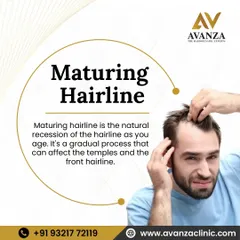
Identifying the Root Cause of Your Hair Loss
More from Non-Surgical Hair Restoration by Vikas Panthri
More services by Vikas Panthri