The Science Behind Effective Hair Loss Treatment
Hair loss is a medical condition that requires a proper diagnosis, not a magic fix. I focus on identifying the root cause to create a treatment plan that works for your unique physiology.
A common question is about the right age for a hair transplant. While I generally advise waiting until after 25, there is no strict rule. If significant baldness is affecting your confidence at a younger age, a transplant can be a great solution, provided we have a realistic, long-term plan that includes medical management to preserve your existing hair.
Many people ask if they must take medication after a hair transplant. The fact is, a transplant restores hair to bald areas, but it does not stop the progression of baldness in other areas. This detailed video explains why medical management is crucial for maintaining your existing hair and ensuring the longevity of your transplant results.
It is normal to experience some temporary shedding of existing hair after a transplant, an event known as 'shock loss'. This video explains the science behind why this happens, how it is a temporary phase in the healing process, and the steps we take, including PRP and proper nutrition, to minimize it and encourage a swift recovery.
Deciding on the right age for a hair transplant involves a futuristic approach. In this video, I discuss the factors to consider, such as the stability of your donor area and the importance of medical management. For younger patients, I often recommend a conservative hairline design to ensure the result looks natural both now and in the future.
This is a shorter explanation on the necessity of medication post-hair transplant. To prevent future hair loss and avoid the need for a second procedure, it is important to continue with a prescribed medical plan. This maintains both your transplanted and your natural hair.
This video provides a detailed explanation in Hindi about 'shock loss' after a hair transplant. I discuss what causes this temporary shedding of non-transplanted hair, why it is a normal part of the process, and how we manage it to ensure your existing and new hair grows back strong.
About My Approach to Hair Loss
Before recommending any treatment, we begin with a 30-minute digital trichoscopy. This magnified scalp examination allows us to map your follicular health, identify the grade of baldness, and determine if hormonal, genetic, or nutritional deficiencies are at the root. A treatment plan is only as good as the diagnosis it is based on—without this, we are merely guessing.
Beyond the 'Magic Cure'
When you visit my clinic, you will not find random supplements or quick fixes. The internet is full of misinformation, but biology is precise. My approach is entirely evidence-based, focusing on the specific stage of your hair loss, whether that is early-stage recession or advanced grade baldness. We treat hair loss as a physiological issue, not a cosmetic one.
The Diagnosis Protocol
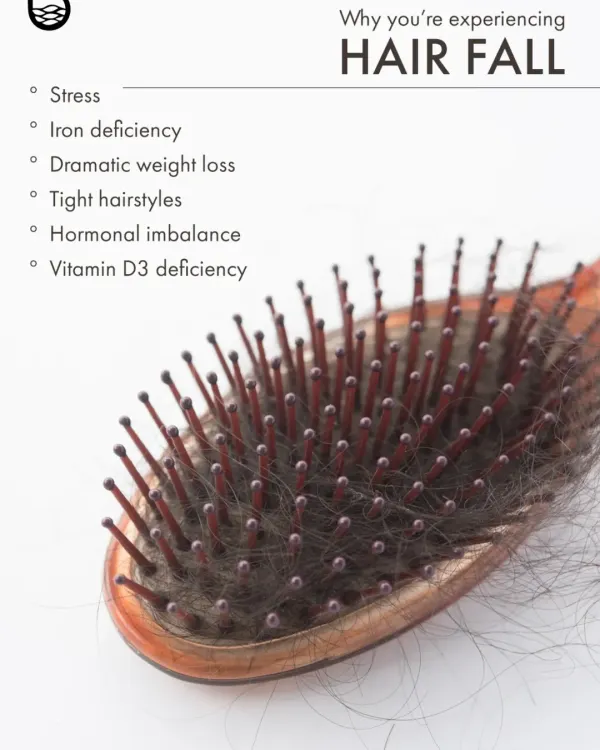
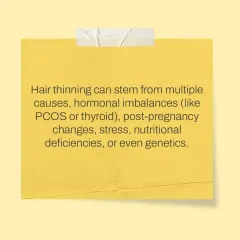
Every consultation starts with a review of your medical history—including thyroid health, PCOS, and overall nutrition. I use digital trichoscopy to view your scalp at a microscopic level. This allows me to differentiate between temporary shedding and permanent miniaturization. If you are dealing with stress-related hair fall or scarring alopecia, the strategy changes immediately compared to androgenetic alopecia (genetic baldness).
Why Medical Management Matters
If we proceed with a hair transplant or regenerative therapies like PRP or GFC, medical management is non-negotiable. Many patients ask if they can skip medications. The fact is, surgery restores hair to bald areas, but it does not stop the progression of baldness elsewhere. To preserve your existing natural hair and ensure the longevity of your transplant results, we implement a customized medical roadmap using FDA-approved medications like Minoxidil or Finasteride, when safe and necessary.
Managing Expectations
Transparency is a core part of my practice. I tell patients upfront that results require patience. Hair regrowth is not overnight; shedding phases are often a temporary part of the recovery process, and full results typically take 9 to 12 months. My goal is to equip you with the knowledge to manage your hair health effectively, whether you are in Delhi or Bhubaneswar.
Similar work from other experts
Browse through Curated picks from other experts on mytribe
 6
6
Diagnostic Approach to Hair Loss
Hair Loss Diagnosis: Why Root Cause Matters More Than Treatment
Hair Restoration & Scalp Health Solutions


My Evidence-Based Approach to Hair Loss Treatment
Diagnosing the Real Cause of Your Hair Loss


Personalized Hair Loss Consultation and Scalp Analysis
More from Non-Surgical Hair Loss Treatments by AllôRoots
More services by AllôRoots