Identifying the Root Cause of Hair Loss
Your hair loss is not random. It is a medical symptom that requires a clear, science-backed diagnosis. I look beyond the surface to identify the specific triggers affecting your follicles, helping you move past trial-and-error treatments to a plan that actually works.
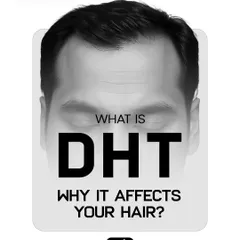
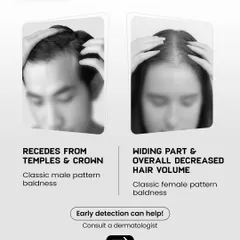
Can we prevent genetic hair loss? Yes, if we intervene early. Genetic hair loss is caused by DHT sensitivity and family history. By starting treatment with medication and lifestyle changes at the first sign of thinning, we can effectively control the process and maintain thick, healthy hair.
Genetic hair loss can be prevented with early medical management. Though hormones and genetics are non-modifiable factors, taking action during the active hair loss phase (20s-30s) with proper treatment and a healthy lifestyle can control and stabilize the condition.
Are you losing hair all over your scalp? This condition, known as diffuse hair loss or Telogen Effluvium, is often caused by triggers like stress, nutritional gaps, or poor scalp hygiene. The good news is that it is often reversible once the root cause is addressed.
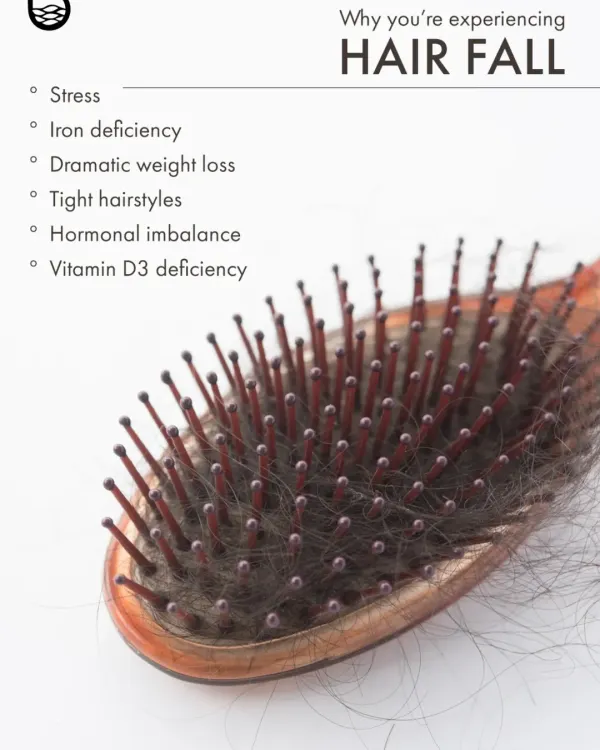
Noticing more hair on your pillow or in the shower drain? This could be Telogen Effluvium, a common form of diffuse hair loss that affects the entire scalp. Let's break down what might be causing it.
Nutritional deficiencies are a key cause of diffuse hair loss. A lack of essential nutrients like protein, iron, zinc, and biotin can weaken hair strands and make them prone to shedding. Your diet plays a huge role in your hair's health.
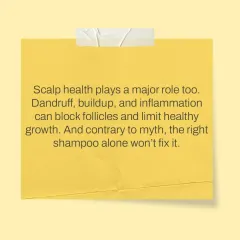
Poor scalp hygiene is another trigger for hair loss. A dirty scalp leads to clogged follicles, inflammation, and even infections. Without a clean, balanced scalp, healthy hair growth is impossible.
High levels of stress or an emotional shock can push a large number of hair follicles into the resting phase, causing sudden and widespread hair loss. Managing stress is just as important for your hair as nutrition.
The solution to diffuse hair loss lies in addressing the root cause. This involves eating a balanced diet, cleansing and nourishing your scalp regularly, and reducing stress through self-care and mindfulness.
Is stress causing your hair loss? Finding clumps of hair can be alarming, and chronic stress is a well-known contributor. It disrupts the hair growth cycle, leading to increased shedding over time.
Stress isn't just bad for your mental health; it's also harmful to your hair. Chronic stress can push hair follicles directly into the shedding phase of the hair growth cycle, resulting in thinning and excessive hair fall.
About Identifying the Root Cause
The most important tool I use is not a miracle serum; it is a trichoscope. By projecting your scalp onto a screen during our consultation, we do not guess—we actually see the health of your hair follicles, the level of miniaturization, and the specific pattern of loss, allowing us to map out a treatment that matches your biology, not just a generic template.
Moving Past Trial and Error
Many patients come to me having already tried expensive oils, supplements, and 'miracle' shampoos that promise the world. The reality is that hair loss is a medical condition, not a cosmetic inconvenience. Without identifying whether your loss is driven by Androgenetic Alopecia (genetic), Telogen Effluvium (stress/deficiency), or other autoimmune triggers, you are simply wasting time and money.
The Role of Diagnostics
My process starts with a 30-minute diagnostic session. We use high-definition digital trichoscopy to examine your scalp in real-time. This allows us to assess:
- Miniaturization levels: Are your follicles shrinking due to DHT sensitivity?
- Scalp health: Is there underlying inflammation, dandruff, or clogging affecting growth?
- Donor area density: If surgery is eventually needed, we must know exactly what we have to work with.
Common Triggers We Analyze
Once we have the data, we correlate it with your lifestyle. Hair loss is rarely the result of a single factor. We investigate:
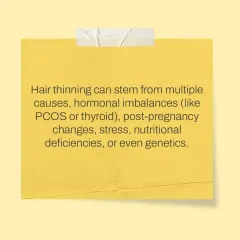
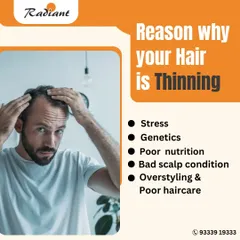
- Hormonal Imbalances: Elevated DHT is the primary culprit in male and female pattern thinning.
- Nutritional Deficiencies: A lack of essential nutrients like iron, protein, and zinc can push follicles into a resting phase.
- Chronic Stress: Cortisol spikes can trigger widespread shedding, often months after a stressful event occurs.
A Plan, Not a Guess
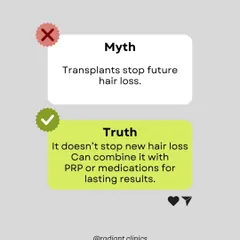
Once we define the root cause, the path forward becomes clear. You might need FDA-approved medication to stabilize your follicles, regenerative therapies like GFC or PRP to stimulate growth, or perhaps dietary adjustments. Regardless of the solution, the treatment is built on your specific medical findings. My goal is to ensure you understand exactly why your hair is thinning, so we can stop the progress and move toward restoration with confidence.
Similar work from other experts
Browse through Curated picks from other experts on mytribe
Understanding Your Hair Loss: Diagnostic Medical Care
Diagnosing the Real Cause of Your Hair Loss
Understanding the Root Causes of Your Hair Loss
Finding the Root Cause of Hair Loss
 6
6
Diagnostic Approach to Hair Loss

Understanding Hair Loss: Expert Guidance on Causes & Care
More from Comprehensive Hair Loss Consultation by AllôRoots
More services by AllôRoots