Scientific Guide to Scalp Health and Hair Care
A healthy scalp is the biological foundation for strong, dense hair. I help you separate dermatological facts from common myths to keep your scalp clean, balanced, and free from issues like dandruff, dryness, or chronic irritation.
Dandruff is a very common tendency, not a disease. It's caused by an overgrowth of a natural fungus due to excess oil. The most important step is to keep your scalp clean with regular shampooing. And a crucial tip: avoid applying oil, as you are essentially feeding the fungus.
Dandruff is a common problem caused by the overgrowth of a fungus called Malassezia due to excess oil secretion. It can range from mild dry flaking to severe, thick patches and can appear on the scalp, behind the ears, eyebrows, and even the beard area.
If you have a dandruff problem, the most important thing is to keep the scalp healthy with regular cleansing. Medicated shampoos are effective for most people. If the problem persists, a dermatologist can prescribe stay-on lotions or short-course oral medications for complete relief.
Winter can be harsh on your hair. The cold, dry air reduces moisture, leading to dryness, frizz, and breakage. In this video, I discuss how to care for your hair in winter, from using lukewarm water and mild shampoos to maintaining a proper diet to keep your hair healthy.
During winter, many people experience increased hair problems like dryness and dandruff. I recommend using lukewarm water, a mild sulfate-free shampoo, and a conditioner. If dandruff is an issue, use a medicated shampoo and avoid leaving oil on your scalp overnight.
To combat winter hair problems, use a mild, sulfate-free shampoo and conditioner to prevent dryness. Avoid heat styling products that can cause further damage. Also, focus on your diet by increasing protein and antioxidant intake to manage seasonal cyclic shedding.
Unlock the secret to a healthy scalp with care tips designed for every hair type. Your scalp is the foundation for your hair, and its needs vary depending on whether your hair is straight, wavy, or curly.
For straight hair, natural oils can build up quickly, leading to greasiness. It's important to cleanse regularly with lightweight shampoos and use clarifying treatments occasionally to prevent clogged follicles.
Wavy hair often needs a balance between managing oiliness and preventing dryness. I recommend gentle, moisturizing products and occasional exfoliation to keep your scalp healthy and fresh without stripping natural oils.
Curly hair tends to leave the scalp drier because oils struggle to travel down the coils. Hydrate with moisturizing shampoos and conditioners, and indulge in regular scalp massages with nourishing oils to promote circulation.
About Your Guide to Healthy Hair & Scalp
If you are battling an itchy or flaky scalp, the most common mistake is applying oil for relief. Scientifically, dandruff is often caused by an overgrowth of Malassezia fungus, which thrives on sebum. By applying oil, you are essentially feeding the fungus and worsening the inflammation. The real solution is proper, regular cleansing with a medicated shampoo to maintain a healthy scalp environment rather than using home remedies that mask the symptoms.
Understanding Your Scalp Biology
Your scalp is skin, and just like the skin on your face, it reacts to environment, stress, and hygiene. Many patients arrive at my clinic after months of trying DIY remedies, only to find their condition has worsened. Whether you are dealing with seasonal cyclic shedding, persistent dandruff, or dry, itchy patches, the problem is rarely cured by a single shampoo or oil.
The Science of Dandruff and Oil
Dandruff is a biological tendency, not necessarily a disease. It occurs when sebum production creates a favorable environment for fungi. In my practice, I emphasize that you cannot 'cure' a tendency, but you can manage it. This involves using the right active ingredients, such as ketoconazole or zinc pyrithione, at the correct frequency.
Seasonal Changes and Daily Care
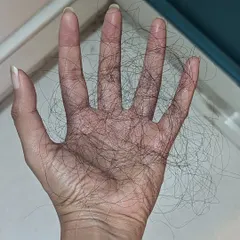
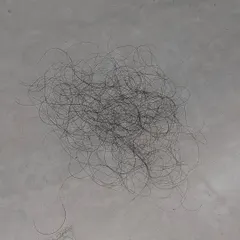
- Winter Care: Cold air reduces humidity, causing your scalp to dry out and shed flakes. I recommend switching to lukewarm water, as hot showers strip natural moisture. If you notice increased hair fall, it is often a sign of cyclic shedding triggered by temperature changes.
- Washing Frequency: Contrary to popular belief, washing your hair does not cause hair loss. In fact, an unclean scalp leads to clogged follicles, which can impede growth. I advise my patients to maintain a consistent wash schedule that matches their scalp type, whether it is oily or dry.
Why Medical Diagnosis Matters
If you have tried medicated shampoos and still see no change, you may be misdiagnosing the condition. Is it simple dandruff, or is it Seborrheic Dermatitis, Psoriasis, or a fungal infection? We use digital trichoscopy to zoom in and see the scalp at a microscopic level. This gives us a clear picture of follicle health and inflammation levels, allowing us to build a treatment plan that actually works. Stop guessing with your hair health and get a professional evaluation.
Similar work from other experts
Browse through Curated picks from other experts on mytribe
Daily Hair Care and Nutrition: Science-Backed Advice
Essential Hair & Scalp Care Science
Expert Hair & Scalp Care Advice from a Dermatologist
Expert Hair Care Advice for a Healthy Routine
Expert Solutions for a Healthy Scalp and Hair
 5
5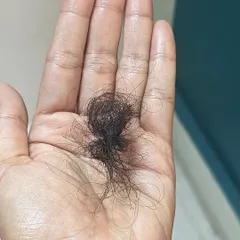
Hair & Scalp Health: Moving Beyond Common Myths
More from Comprehensive Hair Loss Consultation by AllôRoots
More services by AllôRoots