Facts Over Fads: Debunking Common Hair Loss Myths
The internet is flooded with miracle cures that promise overnight results. Let us look at the science of what actually causes hair loss and separate common myths from proven medical realities.
Does wearing a helmet cause hair loss? This is a common myth. The fact is, direct helmet use does not cause hair loss. However, a very tight helmet or poor scalp hygiene can lead to inflammation and dandruff, which can indirectly contribute to shedding. Keeping your scalp clean is key.
The myth that supplements can cure all hair loss is widespread. If only it were as simple as popping a few pills to bring back a full head of hair. The reality is much more complex.
Here are the facts. Supplements only help if your hair loss is caused by a specific nutritional deficiency. They will not reverse genetic hair loss, hormonal imbalances, or scalp conditions, which require targeted medical intervention.
So what really works? Instead of blindly relying on supplements, the first step is to identify the root cause with a proper diagnosis from a dermatologist. Proven treatments like Minoxidil, Finasteride, PRP Therapy, or Hair Transplants deliver lasting results.
About Facts Over Fads: Debunking Hair Loss Myths
You might believe that wearing a helmet daily causes permanent baldness, but the real culprit is usually inflammation from poor scalp hygiene rather than the helmet itself. In my clinic, I use digital trichoscopy to zoom in on your follicles and identify if your thinning is caused by inflammation, genetic sensitivity, or a nutritional deficiency, so you do not have to guess or waste money on the wrong products.
Why Internet Myths Persist
Misinformation about hair loss thrives because people want a simple, fast solution. Whether it is the idea that supplements can reverse genetic pattern baldness or the belief that hair fall is purely a result of external factors like water quality or hats, these myths ignore the underlying biology.
The Science of Hair Loss
Hair loss is rarely just one thing. It is usually a complex interaction of genetics, hormone sensitivity (specifically DHT), and environmental stress. Here is how we break it down in a clinical setting:
- Genetic Hair Loss (Androgenetic Alopecia): This is a hormonal issue. Supplements do not block DHT or restore miniaturized follicles. This requires medical-grade intervention like Minoxidil, Finasteride, or surgical restoration.
- Nutritional Deficiencies: Supplements are only effective if your hair loss is specifically caused by a lack of iron, zinc, or biotin. If your levels are normal, popping extra vitamins will not regrow hair.
- Scalp Health: Issues like seborrheic dermatitis, dandruff, and inflammation require targeted medical care. Leaving these unchecked creates an environment where hair cannot grow, regardless of what treatments you are using.
Your Diagnostic Path
My approach is to replace guessing with data. During a consultation, we move past 'miracle' claims and focus on a concrete diagnosis. We analyze your medical history, use high-definition trichoscopy to grade your hair thickness and scalp health, and build a treatment plan based on your unique profile. You need facts to make informed decisions about your health, not marketing buzzwords.
Similar work from other experts
Browse through Curated picks from other experts on mytribe
 22
22


Understanding Hair Loss: The Science Behind Your Scalp Health
 4
4
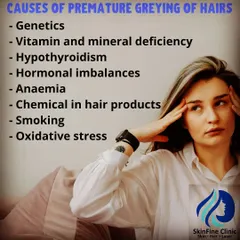
Understanding Hair Loss: Causes and Real Treatments
Finding the Root Cause of Hair Loss
Hair Loss Diagnosis: Why Root Cause Matters More Than Treatment
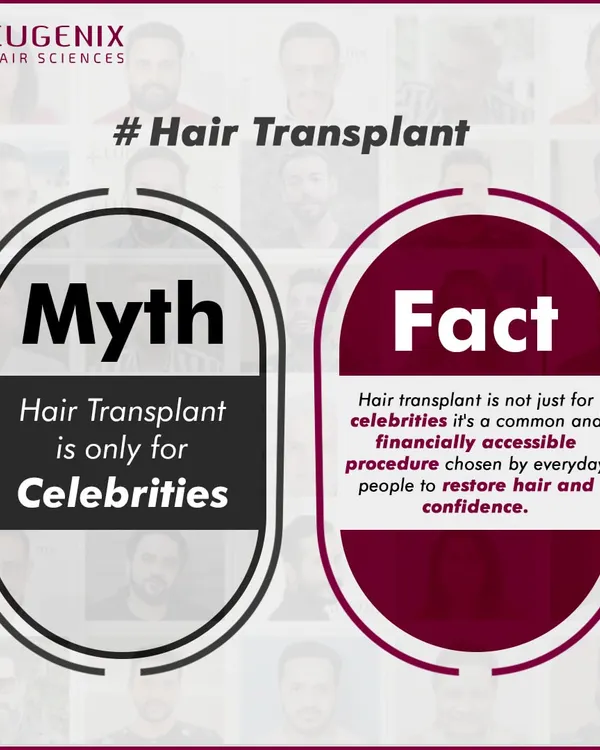 6
6
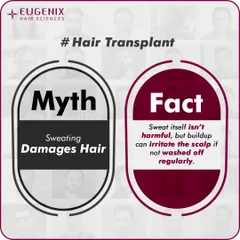
Hair Care Myths vs. Facts: Clearing Up Common Doubts
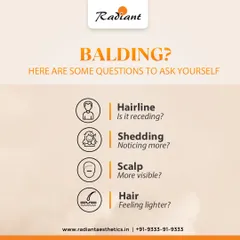
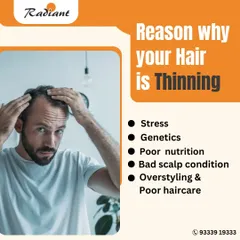
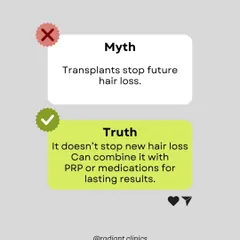
Understanding Hair Loss: Expert Guidance on Causes & Care
More from Comprehensive Hair Loss Consultation by AllôRoots
More services by AllôRoots