Hair Transplant: The Science of Natural Restoration
A hair transplant is a permanent medical decision, not a quick fix. I combine detailed trichoscopic diagnosis with precise surgical techniques to ensure your results look natural, healthy, and stay that way.
Many people ask about the right age for a hair transplant. While we generally avoid surgery before 25, if significant baldness is present and medical management is not enough, a transplant can restore hair and confidence. The key is a conservative, futuristic approach that preserves the donor area.
When planning a transplant for a younger patient, donor management is crucial. I carefully select grafts from the safe donor area to ensure we have an adequate reserve for any potential future hair loss. A conservative approach in your 20s is key for long-term success.
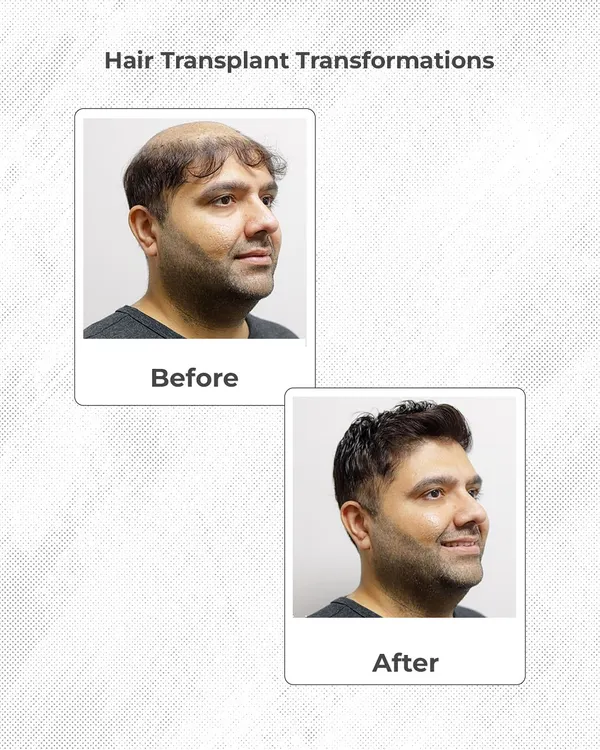
This 24-year-old patient presented with grade three baldness. Since medication showed minimal regrowth, we planned a frontal reconstruction. My approach is to create a conservative, age-appropriate hairline and fill the frontal area while preserving the donor for the future.
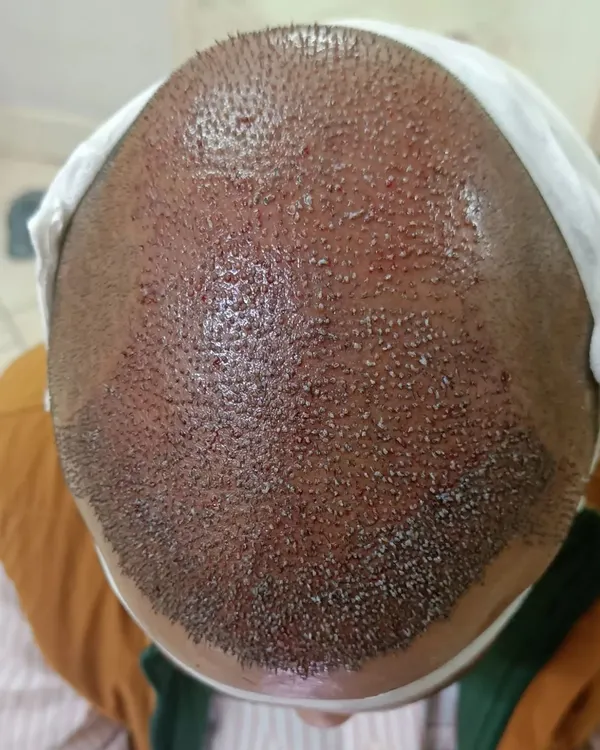
For advanced baldness, the main challenge is the mismatch between the large recipient area and the limited donor supply. I prefer a two-sitting approach. This allows for proper donor management, covering the front first and then the crown, ensuring optimal coverage without over-harvesting.
Is a hair transplant possible for scarring alopecia? Yes, but it requires a careful approach. First, the underlying disease must be inactive. We then perform a biopsy and a small patch test to ensure the grafts will survive in the scarred tissue before proceeding with the full surgery.
Scarring alopecia causes permanent hair loss because the hair root is destroyed. Early diagnosis is critical to stop the disease from progressing. Once the condition is stable, in what we call the "burnt-out" phase, a hair transplant can be performed to restore hair to the scarred areas.
Scarring alopecia is a condition where hair follicles are permanently damaged due to disease, trauma, or injury. While medical treatment aims to halt the disease, a hair transplant can be an option to restore hair once the condition is completely inactive.
In scarring alopecia, my first goal is to halt the disease with medical management. Once the condition is inactive, confirmed by a skin biopsy, we can consider a hair transplant. This careful process is vital to prevent triggering the disease and ensure the new grafts survive.
Scarring alopecia is a complex group of disorders that cause permanent hair loss. It can be due to primary autoimmune conditions or secondary causes like trauma. Early diagnosis by a dermatologist is key to controlling the process and preserving your hair.
Can a hair transplant be done if you have diabetes? The answer is yes, provided your blood sugar is well-controlled. I work with your physician to ensure your diabetes is managed before, during, and after the procedure to minimize risks and ensure a successful outcome.
About Hair Transplant: The Art and Science of Restoration
My priority is not just filling the bald area today, but ensuring your donor site remains healthy for the future. Whether you are 24 or 50, I plan your graft placement conservatively. This means we use the right density now without over-harvesting, which keeps your results looking natural and preserves your donor reserve for any potential needs years down the line.
My Approach: Science First
I view hair loss as a medical condition. Before I ever suggest a transplant, we begin with a digital trichoscopy session to analyze your scalp and follicles. We need to identify if your hair loss is caused by androgenetic alopecia, nutritional deficiencies, or autoimmune conditions. If the root cause is not stabilized, a transplant is a waste of time and grafts.
The Surgical Reality
I personally perform and supervise every critical step of the FUE (Follicular Unit Extraction) process. Many patients ask me about 'mega sessions' that promise thousands of grafts in a single go. In reality, safe extraction is limited by your specific donor density. I prefer a two-sitting approach for advanced baldness (Grade 6 or 7) rather than risking your donor area with over-extraction. This careful planning ensures that the hair we transplant survives and looks like your original hairline.
Handling Complex Cases
I frequently work with patients who have been told 'no' elsewhere. This includes:
- Scarring Alopecia: If the disease is inactive, we can perform a biopsy and patch test to safely restore hair to scarred tissue.
- Diabetes: Hair transplant is an elective procedure. If your blood sugar is controlled and you are regular on medication, we can proceed safely with additional post-op care precautions.
Realistic Expectations
There is no such thing as an 'instant' transplant. You will experience shedding in the first few weeks, and growth typically begins after three months, with final results taking 9 to 12 months. I am here to guide you through that 12-month journey, not just the day of the surgery.
Similar work from other experts
Browse through Curated picks from other experts on mytribe
 6
6
Hair Transplant (FUE) Surgery in Greater Noida
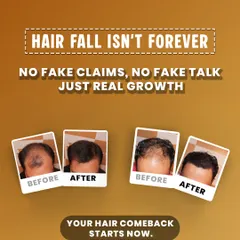
Natural-Looking Hair Transplant Results in Delhi
 7
7
FUE Hair Transplant for Natural, Permanent Results
FUE Hair Transplant for Permanent, Natural Results
 13
13
FUE Hair Transplant in Krishna Nagar, New Delhi
Hair Transplant in Gurugram: Natural Results and Expert Care
More from Comprehensive Hair Loss Consultation by AllôRoots
More services by AllôRoots