Diagnosing the Real Cause of Your Hair Loss
Before you start any medication or therapy, we need to know why your hair is thinning. I look at your scalp health, hormones, and nutritional levels to find the exact root cause.
Many people don't realize that treatments like heat pressing, "hair botox," and chemical coloring cause severe damage. These temporary styling methods burn the hair's cuticle and medulla, leading to weak hair and significant hair fall that requires months of treatment to fix.
Is there a relation between diet and hair fall? Absolutely. I often see patients whose diets lack protein. I explain how a balanced diet with adequate protein, carbs, and fat is fundamental to stopping hair fall.
Hair thinning and premature greying have four main causes: hormones, poor blood supply, diet deficiencies, and underlying diseases. I discuss these causes and the four key things you can do to treat them, including protein, collagen, biotin, and calcium pantothenate.
Premature greying of hair is when hair turns white before the age of 35. This can be due to hormones, nutritional deficiencies, or genetics. Early treatment can help delay this process, and it's important to avoid hair dyes that can worsen the condition.
For women over 40, hair fall is common due to hormonal changes, stress, and deficiencies. The good news is that it is very treatable. With a proper four-month treatment plan, we can control hair fall and help regrow lost hair.
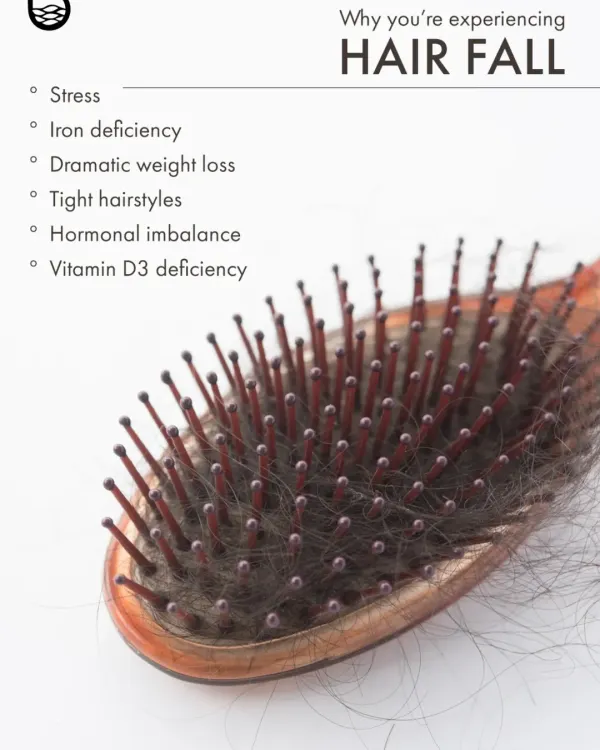
To treat hair loss, we need to understand the reason behind it. This graphic lists the most common causes I diagnose, including nutrient deficiency, stress, hormonal disorders, genetics, and scalp infections.
Do these signs look familiar? Thinning hair, a receding hairline, or more hair on your pillow are all early warnings. It is important to address these signs promptly to prevent further hair loss.
The most common question I get is, "What can I do to stop hair loss?" The answer always starts with consulting a qualified dermatologist to get a proper diagnosis and a personalized treatment plan.
Hair fall can significantly lower your confidence. The first step to regaining it is to understand that hair loss is a medical condition that can be treated effectively with expert help.
With the right diagnosis and treatment, hair loss is no longer a concern you have to live with. I help my patients find the right solution so they can live confidently.
About Diagnosing Your Hair Loss
Stop picking products based on social media ads. If you are experiencing thinning or a receding hairline, your first step is not a new shampoo—it is understanding your unique biology. Whether it is a hormonal imbalance, a nutritional deficiency, or stress, I use digital trichoscopy to examine your follicles up close and create a plan that addresses your specific triggers, rather than just masking the symptoms.
Hair loss is rarely just about the hair itself. It is usually a signal from your body that something else is going on, be it iron deficiency, hormonal fluctuations like PCOS, or chronic stress. My approach begins with a comprehensive root cause analysis.
When you visit my clinic in Krishna Nagar, we move past generic advice. We start with a digital scalp examination, where I look for miniaturization of hair follicles—a clear indicator of how active the loss is. I also review your dietary habits and lifestyle factors, which are often the silent culprits behind thinning.
I treat many patients who have wasted months on over-the-counter serums and 'miracle' oils, only to find the condition worsening. That happens because they treat the symptom, not the cause. Once we identify the specific reason—whether it requires correcting your protein intake or addressing thyroid-related hair fall—we can build a precise, effective treatment plan. If you are ready to stop guessing and start treating, let’s look at your hair health properly.
Similar work from other experts
Browse through Curated picks from other experts on mytribe
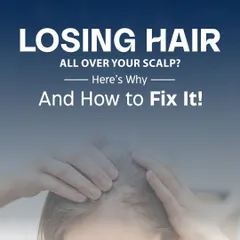
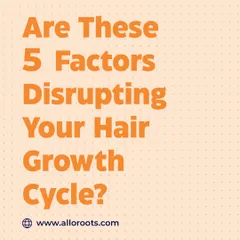
Identifying the Root Causes of Your Hair Loss
 6
6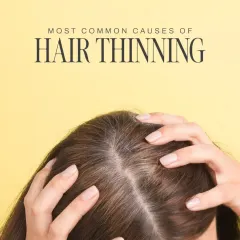
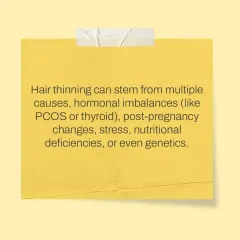
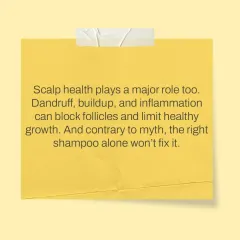
Diagnostic Approach to Hair Loss
Understanding the Root Causes of Your Hair Loss
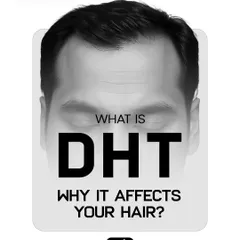
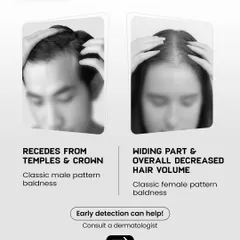
Understanding Your Hair Loss: Diagnostic Medical Care
 4
4
Understanding Hair Loss: Causes, Diagnosis & Real Solutions
Finding the Root Cause of Hair Loss
More from Hair Loss Treatment & Restoration by Sandesh Gupta
More services by Sandesh Gupta