PCOS & Hormonal Health Explained
I break down the science behind PCOS, from diagnostic tests to nutritional basics, so you can make informed health decisions without falling for marketing gimmicks.
An ultrasound is a key tool for PCOS diagnosis, but it's not the only piece of the puzzle. It checks for follicle count and ovarian volume, but having polycystic-appearing ovaries alone doesn't mean you have PCOS. It must be combined with symptom history and hormone tests.
To properly diagnose PCOS, we must rule out other conditions. I guide my mentees to understand tests for thyroid function (TSH, T3, T4) and metabolic health (Fasting Insulin, HbA1c, Lipid Profile), which can present with similar symptoms.
A PCOS diagnosis is not based on a single test. It requires a complete approach that includes your symptom history, a full blood panel, and sometimes an ultrasound. This comprehensive view ensures we create the right treatment plan for you.
Early period spotting can be caused by many factors, including hormonal changes from birth control, stress, or conditions like PCOS and endometriosis. Understanding the potential causes is the first step toward addressing them.
While occasional spotting isn't always a problem, you shouldn't ignore it if it's frequent, heavy, or painful. Your cycle is like your body's report card. Consistent irregularities are a sign to seek medical advice and get checked.
What is spotting? It's light bleeding that occurs outside your regular period, often appearing pink, red, or brown. It can last from a few hours to a couple of days and happen at any point in your cycle.
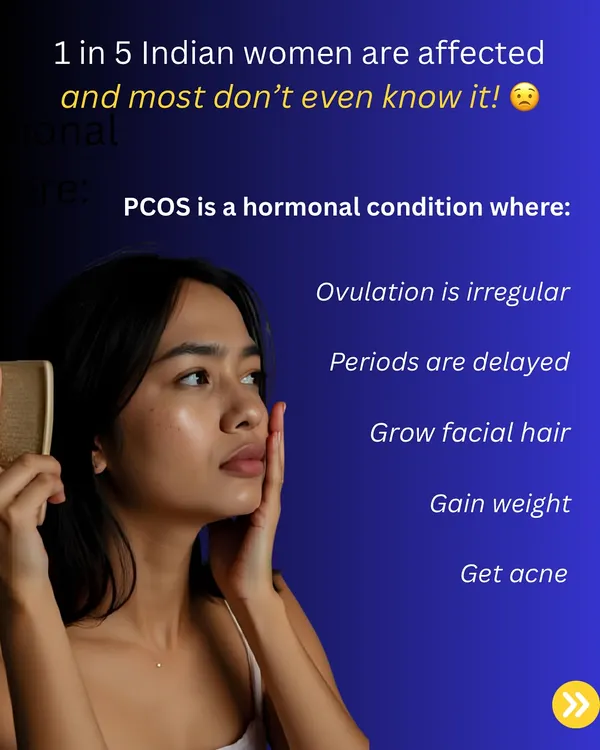
Hormonal fluctuations are a primary cause of spotting. Small changes in estrogen and progesterone, often triggered by stress, thyroid issues, or PCOS, can cause light bleeding. Ovulation can also cause temporary mid-cycle spotting for some women.
Omega-3 supplements, like fish oil or algal oil, are beneficial for women with PCOS. They help reduce inflammation, improve your lipid profile, and may also support better mood and skin health.
Magnesium is a crucial supplement for managing PCOS symptoms. It supports insulin action, helps the body's stress response, improves mood, and can be particularly effective in reducing sugar cravings.
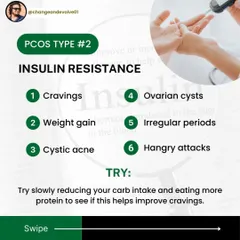
Inositol is one of the most researched supplements for PCOS. It helps improve insulin sensitivity, regulate cycles and ovulation, and can also reduce testosterone levels and acne. I always advise consulting a doctor for the correct dosage.
About PCOS & Hormonal Health Explained
PCOS management is not about giving up your favorite foods or drinking 'hormone reset' teas. My approach starts with a deep dive into your bloodwork—fasting insulin, thyroid, and lipid profiles—to build a nutrition plan around the home-cooked meals you already eat. We focus on stabilizing your insulin through simple, high-fiber, and protein-rich adjustments rather than restrictive dieting, ensuring your body gets what it needs to function properly.
Moving Past the Myths
Managing PCOS often feels like drowning in contradictory advice. One person says you must go gluten-free; another tells you to cut all dairy. I cut through the noise by focusing on what actually moves the needle: blood sugar stability, consistent daily movement, and stress management.
How We Build Your Plan
Instead of a generic template, we use data from your lab reports. If your fasting insulin is high, our nutritional strategy will prioritize specific fiber and protein combinations to keep your hunger and cravings in check. If you have been struggling with irregular cycles, we look at your overall stress and sleep hygiene, not just your calorie count.
Why 'Sustainable' Matters
We do not do crash diets. If you love rice, you eat rice—we just pair it correctly to manage the glycemic load. If you are exhausted, we focus on rest and low-impact activity rather than punishing gym marathons. My goal is to teach you how to design your own plates and activity routines, so you aren't dependent on me forever.
Practical Steps to Take
- Bloodwork Review: Before starting any plan, we analyze your thyroid, insulin, and lipid markers.
- Home-Cooked Staples: We adapt your existing diet (whether North or South Indian) to be PCOS-friendly.
- Daily Movement: We start with achievable step counts (5k to 8k) and build up, rather than forcing high-intensity training.
- Supplementation: We only consider supplements like Inositol or Vitamin D if your blood markers indicate a need for them.
This is not a quick fix. It is a transition to a lifestyle that supports your hormones rather than fighting them.
Similar work from other experts
Browse through Curated picks from other experts on mytribe
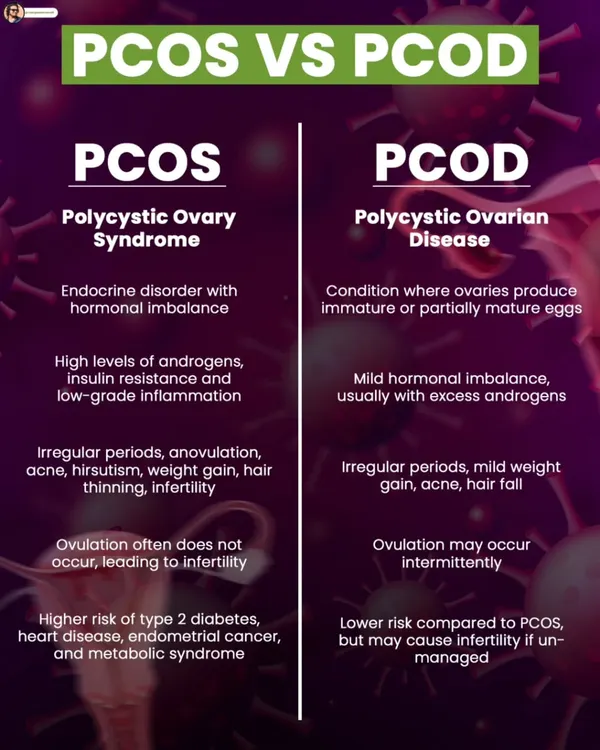
Understanding PCOD and Your Hormonal Health
 34
34
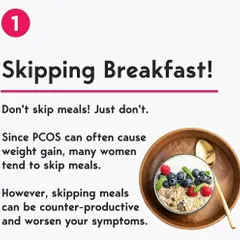
Managing PCOS and PCOD Symptoms Naturally
 64
64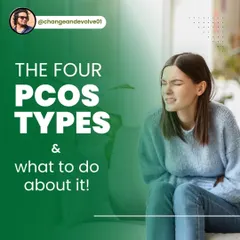
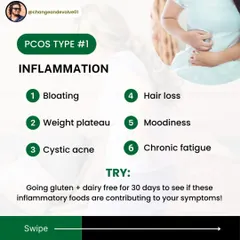
Natural PCOS and Hormone Management
Understanding Women's Hormonal Health and Wellness
 12
12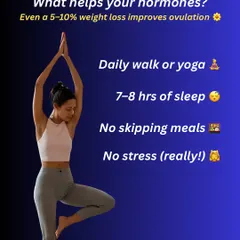
Managing PCOS and Hormonal Health with Indian Food
PCOS & Hormonal Harmony Nutrition Plans
More from PCOD/PCOS Management Program by Aksshaye S Shetty
More services by Aksshaye S Shetty