The Perfect Neapolitan Crust
Ever wonder why some pizza crusts melt in your mouth while others feel like cardboard? It is all in the hydration. Here is the science behind my airy, cloud-like Neapolitan crust.
This is the result of all that dough science. A cross-section of a slice shows the open, airy crumb structure inside the cornicione. It's not doughy or heavy, it's light like a cloud.
Look at that cheese pull and the airy pockets in the crust. This pizza, topped with spinach and pickled onions, shows how the sturdy yet light crust holds up even with generous toppings.
The sound of a crispy crust is pure music. This video captures the satisfying crunch as a fork taps against the perfectly baked cornicione, a sign of a great bake.
A close up of the airy interior of the crust, known as the cornicione. You can see the large, irregular holes created by the long fermentation process, which is what makes the pizza so light and digestible.
This roasted burrata pizza with Kalamata olives sits on a crust that's beautifully puffed up. I'll teach you how to achieve this signature raised edge, which is both delicious and perfect for dipping.
A close look at the leopard spotting or 'leopardatura' on the crust. These charred spots are the hallmark of a true Neapolitan style pizza and add a slightly smoky, complex flavor.
About The Perfect Neapolitan Crust
The secret to this texture isn't just the flour, it is the 48-hour slow fermentation. When you work with dough that has over 80% hydration, it becomes incredibly sticky and fragile, which is why I often use scissors to cut the pizza instead of a standard wheel. This keeps the airy pockets in the cornicione intact so you get that perfect crunch rather than a collapsed, doughy edge.
What makes the perfect cornicione?
The cornicione is that raised, puffy edge of a Neapolitan pizza. When done right, it should be light, airy, and full of large, irregular holes created by the fermentation process. If you bite into a crust that feels heavy or chewy in a bad way, it usually means the dough didn't have enough time to ferment or the hydration levels were too low.
The science of high hydration
I am obsessed with high-hydration doughs, often pushing them beyond 80% water content. This makes the dough extremely difficult to handle—it is sticky and behaves more like a cloud than a standard brick of dough—but it is the only way to achieve that signature melt-in-the-mouth texture. This requires at least 48 hours of slow fermentation. This time is non-negotiable because it allows the enzymes to break down the starches into sugars, making the pizza significantly easier to digest and giving it a complex, slightly tangy flavor profile.
Debunking the home oven myth
Many people think you need a massive wood-fired brick oven to make real Neapolitan pizza at home. That is not true. While wood-fired ovens are iconic, you can absolutely achieve great results using a standard home OTG or even a simple gas oven if you know how to manage your heat and dough thickness. I teach my students how to work with the limitations of their own equipment rather than forcing them to buy expensive, professional-grade setups.
My process
When I teach or cater, I focus on the 'direct dough' method for beginners and move into preferments like Biga or Poolish for advanced sessions. We use imported Italian '00' flour and San Marzano tomatoes because quality ingredients are the foundation of any authentic experience. Whether you are joining a workshop in my Kharghar home studio or hiring me for a live catering event, the focus remains on the craft: respecting the dough, managing the temperature, and enjoying the process.
Similar work from other experts
Browse through Curated picks from other experts on mytribe
Hand-Stretched Sourdough Pizzas
Handcrafted Signature Sourdough Selection
 4
4
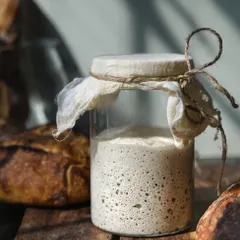

Capturing the Soul of Artisanal Breads and Sourdough
 8
8

Yeast-Free & Jain Bread Baking Workshop
My Baking Journey & Eggless Recipes
 9
9


Our From-Scratch Promise: Baking Without Shortcuts
More from Pizza Making Workshops by Akasha Pizza Heaven
More services by Akasha Pizza Heaven