Cheque Bounce and Director Liability Explained
A bounced cheque can turn a business transaction into a criminal case under Section 138. Whether you are holding a dishonored cheque or defending your position as a director, understanding the law is your first line of defense.
A single bounced cheque can escalate into a criminal case under Section 138 of the Negotiable Instruments Act, turning a business transaction into a legal battle. I represent clients on both sides of this issue, leveraging key Supreme Court precedents to build a strong case, whether that involves challenging the presumption of debt or holding parties accountable. This image, styled like a magazine cover, highlights the serious nature of cheque bounce disputes and my focus on this critical area of commercial litigation.
What happens if a company's cheque bounces after it has entered insolvency? This is a complex situation where director liability is not automatic. I explain how the timing of the cheque presentation relative to the start of the insolvency moratorium is critical. I help directors understand their personal risk and defend them in Section 138 cases when the company's financial state makes payment legally impossible.
Just because you are a director in a company does not automatically make you liable for a bounced cheque. In this video, I explain the principle of vicarious liability under Section 141 of the NI Act. The complainant must prove you were responsible for the company's day to day business affairs at the time the offence was committed. I help directors challenge cases where this connection cannot be established.
About Cheque Bounce & Director Liability
Being a director does not automatically make you liable for a company's bounced cheque. Under Section 141 of the NI Act, the complainant must prove you were actively involved in the day-to-day operations at the time the offence was committed. If you have been summoned or received a notice, the first step is to assess your specific role and responsibilities during that period, rather than assuming immediate personal liability.
Understanding Section 138 and Director Liability
A bounced cheque is not just a financial failure; it is a serious legal issue under the Negotiable Instruments Act. I often see clients panic when a legal notice arrives, but the law requires specific conditions to be met before personal liability attaches to a director.
Key Legal Distinctions
- Vicarious Liability (Section 141): You are not liable simply because you hold the title of 'Director'. The complainant bears the burden of proving that you were in charge of and responsible for the company's daily business operations when the cheque was issued.
- Insolvency and Moratoriums: If a company enters the Corporate Insolvency Resolution Process (CIRP), the legal landscape shifts. While the Supreme Court ruling in P. Mohanraj created a precedent regarding moratoriums, the Delhi High Court has provided specific clarity on cases where cheques are presented after the moratorium commences. Liability here depends heavily on the timing of the presentation.
- The 'Blank Cheque' Myth: Handing over a signed blank cheque as security creates a strong presumption against the drawer under the law established in Bir Singh v. Mukesh Kumar. Do not assume these are unenforceable.
What You Should Do Now
- Do not ignore the notice: A legal demand notice is the start of the clock. Ignoring it limits your defense options.
- Analyze your role: If you were a non-executive or independent director not involved in day-to-day decisions, this is a core part of your defense.
- Check the timeline: Identify whether the cheque was issued as an advance payment or against an existing debt. Cases like Indus Airways show that cheques issued as advance payment may not attract Section 138 liability.
My approach is to look at the facts of your specific case first. We need to determine if the offence can be technically challenged before we head to court. If you are facing a cheque bounce dispute in the Delhi NCR region, let us review the documents to see if we can build a strong defense based on these legal precedents.
Similar work from other experts
Browse through Curated picks from other experts on mytribe
Cheque Bounce: A Practical Legal Guide
Legal Strategy for Cheque Bounce & Financial Disputes
Cheque Bounce and Banking Dispute Legal Solutions
Cheque Bounce Recovery: Legal Steps & Defense
 5
5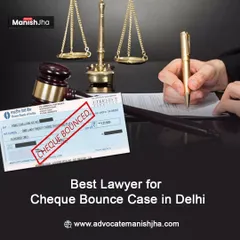
Legal Support for Cheque Bounce and Money Recovery
 4
4


Financial Dispute Resolution Services in Delhi NCR
More from Corporate & Commercial Litigation by Abhishek Tiwari
More services by Abhishek Tiwari