Simplifying Legal Rights & Courtroom Advocacy
I break down complex legal judgments and court procedures into plain, actionable advice. Whether you are a law student or seeking clarity on your own rights, here is the guidance you need.
Here I am interacting with students at Amity Law School, Noida. I was discussing the art of advocacy and how to construct effective arguments in a courtroom. It is always inspiring to engage with the next generation of legal professionals who are eager to master these essential skills.
A wider view of the session at Amity Law School. Sharing practical insights and experiences with students is something I am passionate about. My goal is to bridge the gap between academic knowledge and the realities of legal practice.
Addressing a classroom of future lawyers. I believe that a strong foundation in oral speaking and argumentation is just as important as knowing the letter of the law. These interactions are a great opportunity to share that perspective.
A candid moment during my presentation at Amity Law School. Discussing complex legal concepts requires clarity and conviction, skills that are honed over years of practice. I enjoy sharing these lessons with those just beginning their legal journey.
Many employment contracts include an indemnity clause or bond requiring you to pay a penalty if you resign before a minimum service period. The Supreme Court has held these clauses to be legally valid. In this video, I explain the legal standing of these agreements and what it means for employees planning to leave a job early.
Lying under oath in court is a serious offense known as perjury. However, not every incorrect statement qualifies. In this video, I explain the Supreme Court's view that perjury charges should be reserved for deliberate falsehoods on substantial matters, not for simple denials of allegations made on affidavit.
About Legal Education & Advocacy
You do not need a law degree to understand your position, but you do need to know the specific principles that apply to your situation. Whether we are discussing the enforceability of an employment indemnity clause or the actual threshold for a perjury charge, I focus on the specific 'why' behind Supreme Court judgments so you can evaluate your own legal standing without getting lost in jargon.
Law can feel like a maze, but it is fundamentally about your rights and responsibilities. My goal in sharing these resources is to bridge the gap between academic legal theory and the realities of courtroom practice.
Why Legal Literacy Matters
Most disputes escalate because individuals act either too late or without knowing the correct procedure. When I interact with law students at places like Amity, I emphasize that advocacy is not just about loud arguments; it is about precision, facts, and clarity. Whether you are dealing with a contract issue or a potential perjury charge, knowing how courts interpret the law—and the specific judgments that govern your scenario—is your strongest defense.
How I Simplify the Law
I regularly analyze recent Supreme Court rulings to explain how they impact you. For instance, in employment matters, I break down why indemnity clauses are upheld. In procedural matters, I clarify that not every false statement in an affidavit amounts to perjury under Section 193 of the IPC; the law requires a deliberate falsehood on a matter of substance.
Practical Guidance
If you find yourself in a situation where you need to interpret a contract, respond to a legal notice, or understand your rights as a consumer or employee, look for the 'why' before you take action. I provide this information so you can make informed decisions, whether you choose to negotiate a settlement or prepare for litigation. Knowledge is your first line of defense against being misled.
Similar work from other experts
Browse through Curated picks from other experts on mytribe
Understanding Your Constitutional and Civil Rights
Legal Rights and Awareness Explained
 5
5


Legal News and Court Updates
 56
56
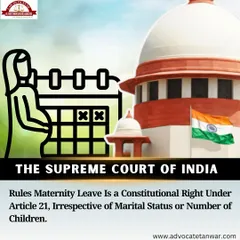
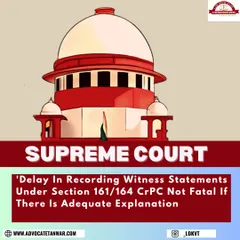
Legal Insights: Analysis of Key Court Rulings
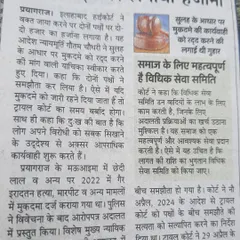
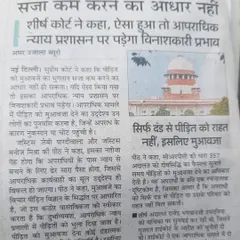
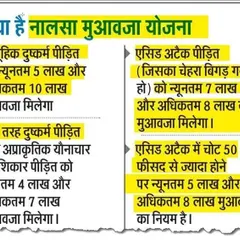
Legal Insights and Important Judgements for Your Rights
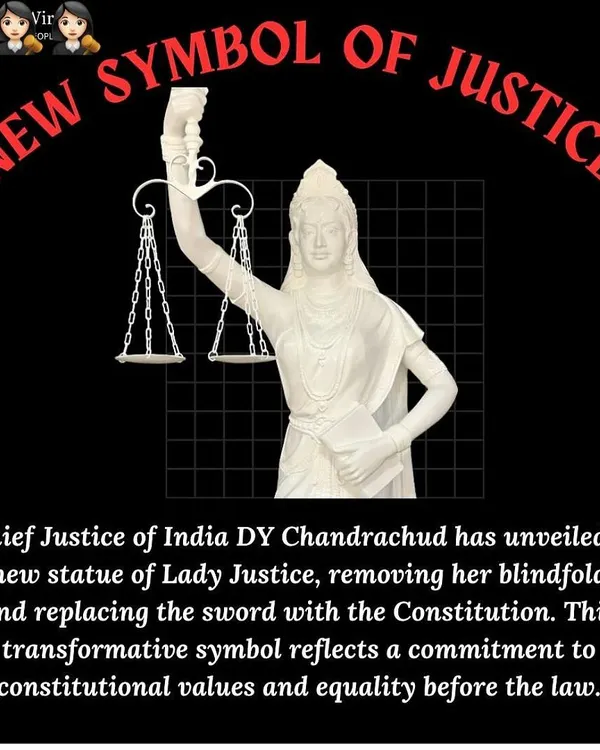 24
24
Legal Insights & Landmark Judgments
More from Corporate & Commercial Litigation by Abhishek Tiwari
More services by Abhishek Tiwari