Foundational Yoga Practices & Techniques
Build a sustainable practice from the ground up. Master the essential breathwork, joint-loosening movements, and hand gestures that prepare your body and calm your mind before you step into more complex poses.
Sukshma Vyayama, or loosening practices, are essential for preparing the body. This sequence focuses on gentle movements for the neck, shoulders, arms, and wrists to improve mobility, release stiffness, and increase energy flow.
This Sukshma Vyayama sequence focuses on the lower body. These gentle, rhythmic movements for the toes, ankles, and knees are designed to improve joint mobility, enhance blood circulation, and remove energy blockages in the legs.
These seated gentle stretches are perfect for enhancing spinal flexibility and relieving tension in the back. They can be done on the floor or a chair, making them an accessible way to improve posture and reduce back pain.
Kapalbhati, or "skull shining breath," is a powerful cleansing technique and pranayama. This video explains its benefits, such as purifying the sinuses and boosting digestion, and also lists important contraindications to ensure a safe practice.
This is the Yoni Mudra, a hand gesture or "seal" that resembles the womb. It is a powerful practice in yoga, believed to invoke primal creative energy and bring a sense of calmness and connection to our inner selves.
The Yoni Mudra offers many benefits, especially for women's health. It helps balance energies in the body, can regulate hormonal imbalances, and prepares the mind for a stable and deep state of meditation.
About Foundational Practices & Techniques
Many students rush into intense asanas, but my foundational programs start with an assessment of your current mobility constraints. We tailor your Sukshma Vyayama (joint loosening) and Pranayama (breathwork) routines to target your specific tight spots, such as wrists from typing or hips from prolonged sitting, ensuring your body is truly ready before we attempt any full flows.
Why Foundations Matter
Yoga is often marketed as a series of difficult poses, but the real work happens in the basics. If you are returning to yoga after a break or trying it for the first time, jumping into advanced flows can lead to strain. I focus on these core techniques to help you build a safe, injury-free routine.
Core Techniques We Cover
- Sukshma Vyayama: These are subtle, rhythmic movements designed to lubricate the joints and improve blood circulation. We specifically work on the neck, shoulders, and wrists—areas that accumulate tension from sedentary office work.
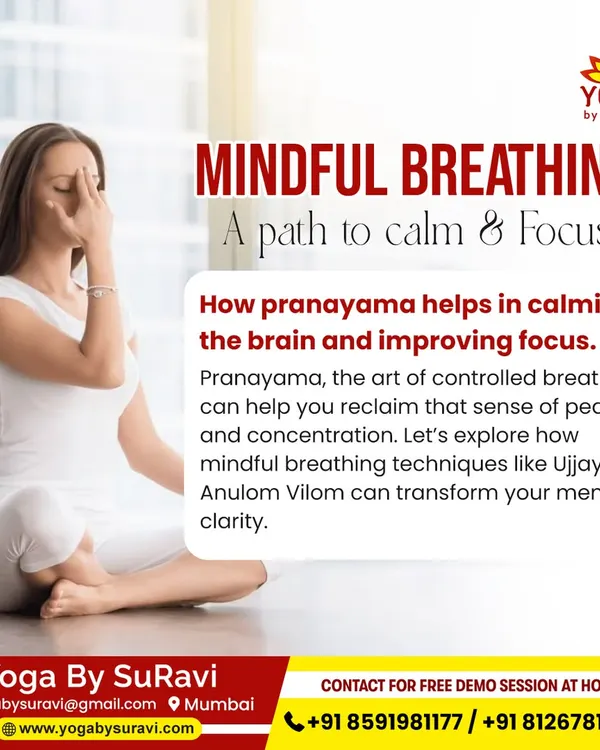
- Pranayama (Breathwork): Your breath is the bridge between your body and mind. Techniques like Kapalbhati (skull-shining breath) serve as internal cleansers, boosting your energy and digestion, while mindful breathing settles the nervous system.
- Mudras (Hand Gestures): We incorporate seals like Yoni Mudra to help channel internal energy. These are particularly useful if you are managing stress or looking to balance your emotional state.
Who Should Focus on Foundations?
These practices are for anyone who feels stiff, lacks flexibility, or finds the pace of modern life overwhelming. You do not need to be 'fit' or flexible to start. If you are dealing with chronic back pain, desk-related stiffness, or simply want to understand the why behind the movements, this is the right place to begin your journey. My sessions are designed to be modified for your unique needs, using props like blocks or belts to ensure you stay comfortable and stable throughout.
Similar work from other experts
Browse through Curated picks from other experts on mytribe
Yoga Asanas, Mudras, and Foundations
Learn Yoga Asanas & Mudras with Proper Alignment
Practices Beyond Asana: Deepen Your Inner Journey
Yoga Foundations: Asana & Pranayama Tutorials
 15
15

Our Yoga Approach: Techniques for Body and Mind
Your First Step: Yoga for Beginners
More from Personalized Yoga Classes by Parul Jain
More services by Parul Jain