The Philosophy of Yoga: Ancient Wisdom for Modern Life
Yoga is a logical process, not just physical exercise. Understanding the philosophical roots defined by Patanjali is the first step toward meaningful practice.
Why is it important to understand yoga philosophy before starting classes? Because yoga is much more than physical exercise. In this video, I explain how philosophy provides the foundation, or the "why," behind the practice, as outlined by Patanjali in the Yoga Sutras.
It is a common excuse to skip practice because of the weather. However, the Yoga Sutras teach us that with consistent practice, we can transcend these dualities of nature, like heat and cold. True *abhyasa* builds a resilience that is not affected by external conditions.
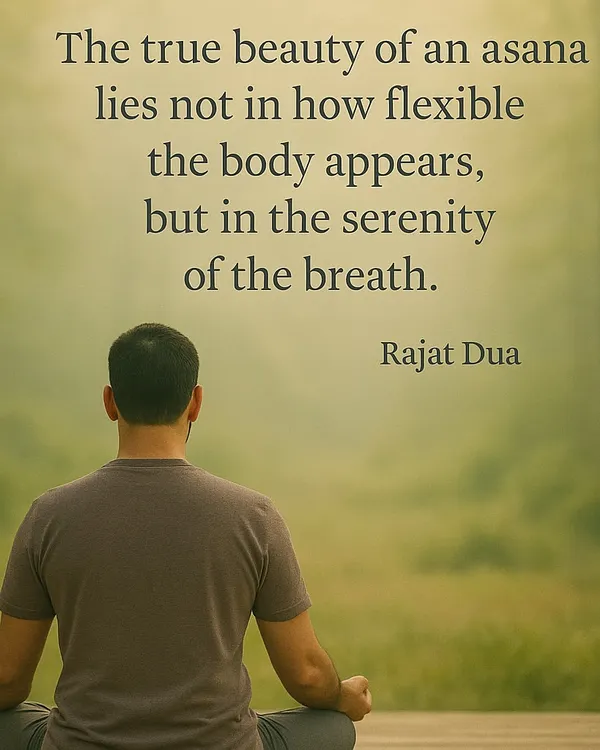
How do you measure progress in yoga? It is not about mastering difficult asanas. True progress is measured by the calmness of your mind and a shift in your attitude towards life. It is the internal transformation that truly matters.
Staying motivated for regular practice can be a challenge. The key is to prioritize your health and build the habit through *tapas*, or willpower. Once the habit is set, the practice itself becomes the driving force.
It is a common frustration for students when they cannot perform an asana perfectly. The scriptures mention as many asanas as there are living species. The key is acceptance of your body's current condition and finding effectiveness in simpler, mindful practices.
A core concept from the Yoga Sutras that I adopt in my own life is *abhyasa*, or consistent practice. Patanjali emphasizes that long-term, devoted consistency, even in small amounts, brings far greater change than sporadic, intense efforts.
What are the benefits of yoga? While physical results can be seen quickly, the ultimate goal of yoga, or *samadhi*, is a lifelong journey. The process itself brings immediate benefits like a calmer mind, but the highest purpose has no timeframe.
The real purpose of yogasanas, according to the texts, is to achieve *arogyam* (health), *sthairyam* (stability), and *anglaghavam* (lightness of body). The ultimate goal is to establish a stable and comfortable posture, or *sthira sukham asanam*, to prepare for deeper practices.
People often want to learn meditation directly, but it is a state that must be arrived at through a process. The Ashtanga yoga path logically lays out the steps: through pranayama, the mind becomes fit for *dharana* (concentration), which eventually leads to *dhyana* (meditation).
Learning pranayama from a video is not the same as learning from a teacher. The texts state that these subtle practices must be learned through a guru's guidance because breath is invisible, and a teacher can correct mistakes in your internal process that a video cannot see.
About The Philosophy of Yoga: Ancient Wisdom for Modern Life
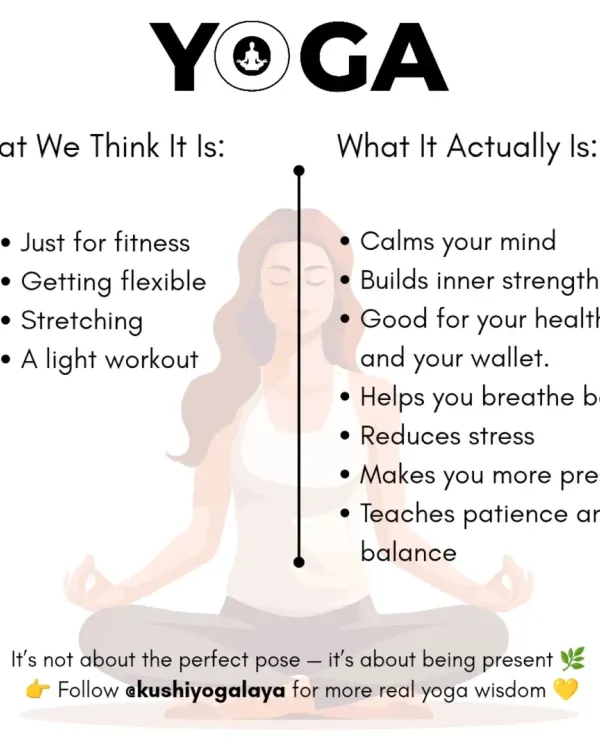
Most students approach yoga solely as a way to stretch or build strength, but the ancient texts define it as a systematic process to calm the mind. When you apply the principle of abhyasa, or consistent practice, you move beyond just training your muscles and begin building the internal stability required for real growth. My approach at the Chandra Layout studio prioritizes this logical progression, helping you understand the 'why' behind every movement.
Beyond the Physical Asana
Many people search for yoga classes looking for a quick fix or a way to burn calories. However, if you do not understand the philosophy, you are not grounded. As Patanjali outlines in the Yoga Sutras, the goal is not to perform a difficult posture, but to achieve sthira sukham asanam, or a stable and comfortable posture, which serves as a base for higher practices like dharana (concentration) and dhyana (meditation).
Why the Process Matters
I often see students get frustrated when they cannot perform a complex asana. The texts teach us that there are as many asanas as there are living species. The challenge is not in the posture itself, but in the acceptance of your body’s current condition. We use props like ropes, chairs, and belts not as crutches, but as tools to explore alignment safely. This biomechanical approach, rooted in scientific understanding, ensures that your practice remains sustainable and effective, regardless of your starting point.
Learning with a Teacher
While online resources are useful, the scriptures emphasize gurupadista margena, or learning on the path shown by a guru. Breathwork, such as pranayama, is subtle. An instructor can observe your internal process, correct your breathing patterns, and help you fix common errors like reverse breathing that you might miss on your own. My classes in Bengaluru are designed to bridge this gap, taking you from a superficial understanding of yoga to a deep, integrated practice that balances ancient wisdom with modern, practical application.
Similar work from other experts
Browse through Curated picks from other experts on mytribe
 29
29
The Philosophy of Yoga: Decoding Patanjali's Yoga Sutras
The Philosophy of Yoga: Ancient Wisdom for Modern Life
Finding the Why: Yoga Philosophy & Ancient Wisdom
 8
8Understanding Yoga Philosophy: Deeper Wisdom for Daily Life
 11
11
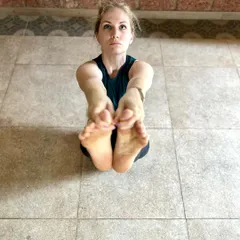
Yoga Philosophy and Reflections on Practice
 61
61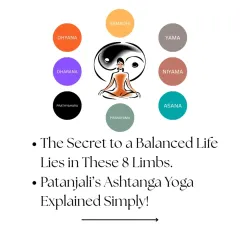
Practical Yoga Philosophy: Wisdom for Modern Living
More from Yoga Teacher Training Program by Yogavijnana
More services by Yogavijnana