Understanding Your Hair and Scalp Health
Hair concerns are rarely solved by store-bought shampoos alone. We start by identifying the root cause, whether it is nutritional, hormonal, or environmental, to create a plan that actually works.
This animation details how dandruff forms. It shows how an overgrowth of a naturally occurring fungus on the scalp can lead to irritation and the rapid shedding of skin cells, which appear as flakes.
In this video, I offer simple, practical tips to manage dandruff. I discuss factors like stress and hygiene, such as changing pillowcases regularly, which can help control scalp flaking and irritation.
This image defines hard water. It is water with a high concentration of minerals like calcium and magnesium, which can be harsh on your skin and hair even though it is safe to drink.
You can often tell if you have hard water by observing your home environment. Signs include white spots on taps, soap that doesn't lather well, and a feeling of dryness or residue on your skin and hair after showering.
The side effects of washing with hard water include dull, frizzy hair, a dry and flaky scalp, and itchy skin. The mineral residue can build up over time, affecting both skin and hair texture.
This water hardness scale shows the different levels of mineral content, measured in parts per million (PPM). For skin and hair health, water below 120 PPM is ideal; anything higher may require a filter or softener.
A man washing his hair, illustrating a common activity where hard water can cause damage. The mineral buildup from hard water can make hair feel rough and difficult to manage.
One of the most effective solutions for hard water is installing a water softener. This system removes excess minerals from the water throughout your home, making it gentler on your skin and hair.
About Understanding Hair & Scalp Health
I often see patients struggling with persistent hair fall because they are treating the symptoms, not the source. Whether it is hard water damage in your bathroom or a nutritional deficiency, we start with a digital trichoscopy to actually look at your scalp and follicles, ensuring we build a plan that addresses your specific medical profile.
Why Diagnosis Comes First
Many people jump into hair treatments without knowing why their hair is thinning. Hair loss can be triggered by thyroid issues, low iron or Vitamin D, hormonal imbalances, or even stress. My first goal is to conduct a thorough scalp assessment. This allows us to determine if your issue requires topical medication, procedure-based treatments like GFC or PRP, or simply a change in your dietary habits.
The Impact of Hard Water in Bengaluru
A major, often overlooked factor in scalp health is water quality. If you live in an area with hard water, high concentrations of minerals like calcium and magnesium can cause severe issues. These minerals deposit on your scalp and hair shaft, leading to:
- Dull, frizzy hair: Mineral buildup prevents moisture from penetrating the hair.
- Dry and flaky scalp: This is often mistaken for dandruff, but it is actually irritation caused by mineral residue.
- Itchy skin: The harshness of hard water can strip natural oils, leaving your scalp inflamed.
If you see white spots on your showerheads or notice that soap does not lather well, your water is likely the culprit. A filter or a simple softening change can sometimes make a world of difference before we even begin clinical treatments.
Common Scalp Myths
- Dandruff is just dryness: In many cases, it is actually a fungal overgrowth (Malassezia) or excess oil production. Treating it with moisturizing oils can sometimes make it worse.
- All oils are good: If you have an oily, dandruff-prone scalp, applying heavy oils can feed the fungus, aggravating the condition.
My practice is built on transparency. I will explain the mechanism behind your hair fall and walk you through why a specific treatment—whether it is a bio-mimetic peptide injection or simple scalp hygiene—is right for you.
Similar work from other experts
Browse through Curated picks from other experts on mytribe
Hair and Scalp Health: Evidence-Based Solutions
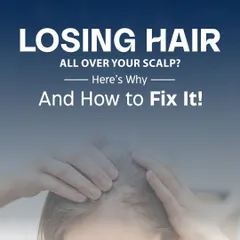
Identifying the Root Cause of Hair Loss
 41
41
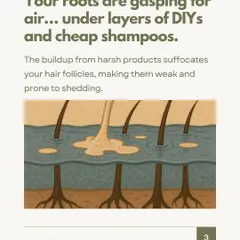
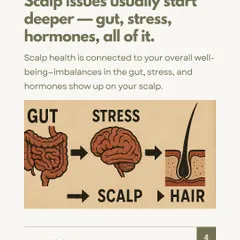
Understand Your Hair: The Science Behind a Healthy Scalp
Holistic Hair Care and Root Cause Analysis
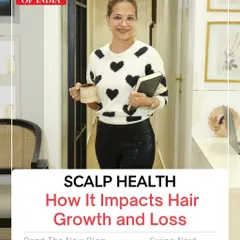
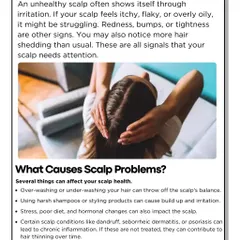
Expert Solutions for a Healthy Scalp and Hair
 11
11
Understanding Your Hair and Scalp Health
More from Hair Loss & Regrowth Treatment by Sree Vasavi