Understanding Your Hair and Scalp Health
Hair loss can be confusing, but it is rarely a mystery. I break down the science behind hair fall, pattern balding, and scalp health so we can find a treatment plan that actually works for you.
Recognizing the early signs of balding is key to effective treatment. This includes gradual thinning, a receding hairline, or a widening part. If you notice these changes, it is a good time to seek a professional diagnosis.
Hair loss is multifactorial. This graphic outlines the most common causes I investigate during a consultation, including genetics, hormonal shifts, nutritional deficiencies, and stress, to determine the root cause of your hair fall.
Androgenetic alopecia is the clinical term for male or female pattern hair loss. It is the most common type of hair loss I treat and is caused by a combination of genetic predisposition and the effect of hormones on hair follicles.
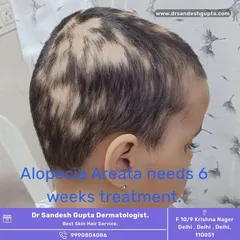
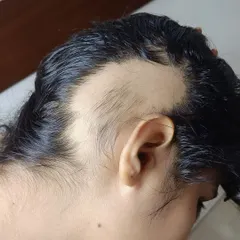
This graphic defines alopecia areata, an autoimmune condition where the body's immune system attacks hair follicles, resulting in distinct, often circular, patches of hair loss on the scalp or other parts of the body.
This graphic defines alopecia areata, an autoimmune condition where the body's immune system attacks hair follicles, resulting in distinct, often circular, patches of hair loss on the scalp or other parts of the body.
Understanding what triggers alopecia areata is important for management. This infographic lists potential causes, including genetic factors, stress, systemic illness, and nutritional deficiencies, which I evaluate during diagnosis.
Understanding what triggers alopecia areata is important for management. This infographic lists potential causes, including genetic factors, stress, systemic illness, and nutritional deficiencies, which I evaluate during diagnosis.
For patients with alopecia areata, there are several effective treatment options. These range from intralesional corticosteroids, which are a common and effective first-line treatment, to topical solutions and other systemic medications.
For patients with alopecia areata, there are several effective treatment options. These range from intralesional corticosteroids, which are a common and effective first-line treatment, to topical solutions and other systemic medications.
Dandruff can be persistent, but managing it can be straightforward. In this video, I share three simple, effective steps you can take at home to reduce dandruff, including how to properly use an anti-dandruff shampoo for the best results.
About Your Hair & Scalp Questions, Answered
Many patients worry about hair loss without knowing if it is temporary shedding or permanent pattern thinning. My diagnostic process starts by distinguishing between the two, using digital trichoscopy to examine your follicle health and density. This allows us to determine if we need to address nutritional gaps, hormonal triggers, or begin medical management like minoxidil.
Why Accurate Diagnosis Matters
Hair fall often stems from multiple factors, including genetics, stress, nutritional deficits, or postpartum changes. Because the causes vary, I do not believe in generic, one-size-fits-all prescriptions. Whether you are noticing a widening part, a receding hairline, or patchy loss like Alopecia Areata, the first step is always identifying the root cause.
Addressing Specific Conditions
- Androgenetic Alopecia: This is the most common form of pattern hair loss. It is progressive, but when caught early, we can significantly slow it down using targeted medical management.
- Alopecia Areata: An autoimmune response causing round bald patches. It is treatable, and I often use intralesional therapy to stop the patch expansion and encourage regrowth.
- Dandruff & Greying: These are often signals from your body. A change in routine or specific vitamin supplementation is frequently all that is needed to address these concerns.
My Clinic Philosophy
My practice in Indiranagar is built on safety and measurable results. I handle every procedure myself—no delegation to assistants. We start with a consultation to review your history and current symptoms. From there, we move to clinical treatments like GFC or Exosome therapy only if they are the right fit for your specific scalp health. Consistency is the only way to achieve lasting change, so I focus on a plan you can realistically follow.
Similar work from other experts
Browse through Curated picks from other experts on mytribe


Understanding Your Hair and Scalp Health
Understanding Hair Loss: Root Causes and Medical Solutions

Identifying the Root Cause of Hair Loss
Finding the Root Cause of Hair Loss
 5
5

Understanding Hair Loss: Causes, Solutions, and Expert Care
Expert Hair & Scalp Health Consultation
More from Hair Restoration & Scalp Treatments by Anusha Shivaswamy
More services by Anusha Shivaswamy