Nutrition and Hair Health: Addressing Root Causes of Hair Fall
Hair loss is rarely just about your shampoo. Often, the root cause lies in your nutritional intake, hormone balance, or stress levels. Dr. Sree Vasavi explains how deficiencies impact your hair and the practical steps to correct them.
In this educational video, I discuss the importance of Vitamin D for overall health. It functions like a hormone, supporting everything from bone health and immunity to stimulating hair follicles, and a deficiency can contribute to hair loss.
I explain the common reasons for Vitamin D deficiency, which include poor dietary intake, lack of adequate sun exposure, and certain medical conditions. With age, the skin's ability to produce Vitamin D also reduces, making supplementation necessary for some.
Here, I outline how to improve your Vitamin D levels. This includes eating fortified foods and those naturally rich in the vitamin, as well as getting sensible sun exposure. I recommend at least half an hour of sun on the face, hands, and legs twice weekly without sunscreen.
About Nutrition and Hair Health
Many patients come to the clinic thinking a new serum will fix their hair fall. Often, the issue is not on your scalp, but inside your body. We start with a diagnostic session, using digital trichoscopy, to check for specific deficiencies like Vitamin D, Iron, or B12. These are common triggers in our busy urban lifestyles. We do not just hand you supplements, we map out a nutritional plan that works alongside your hair treatments.
Understanding Hair Nutrition
Your hair is a reflection of your internal health. When your body experiences a deficiency in vital nutrients, it deprioritizes non-essential functions like hair growth to conserve energy. This is why a quick fix with topical products often fails if the internal deficit remains unaddressed.
Common Nutritional Triggers
In my clinic in Thanisandra, I frequently encounter patients with significant hair thinning linked to:
- Vitamin D Deficiency: Essential for follicle stimulation. Many of us, due to indoor lifestyles and sun-blocking habits, have inadequate levels, which directly contributes to hair loss.
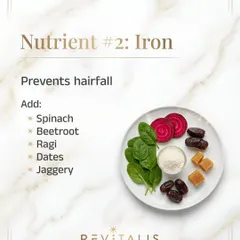
- Iron and Ferritin Levels: Low iron is a classic, yet often overlooked, cause of telogen effluvium (temporary hair shedding).
- Vitamin B12: Crucial for red blood cell production, which carries oxygen to your hair follicles.
- Protein Intake: Hair is primarily made of keratin. A protein-deficient diet will weaken the hair shaft over time.
My Diagnostic Approach
I do not prescribe supplements based on guesswork. During your 20-minute diagnostic session, we use digital trichoscopy. This allows me to magnify your scalp, assess follicle density, and observe hair shaft thickness. This data, combined with a discussion about your diet, stress levels, and medical history, allows me to create a targeted treatment plan.
Integrating Treatment
Nutrition is the foundation, but advanced treatments like GFC (Growth Factor Concentrate) or PRP therapy can accelerate recovery. These procedures stimulate dormant follicles using your body's own healing mechanisms. By fixing the internal nutritional gap while stimulating the scalp, we aim for sustainable hair density rather than temporary improvement.
Similar work from other experts
Browse through Curated picks from other experts on mytribe
 6
6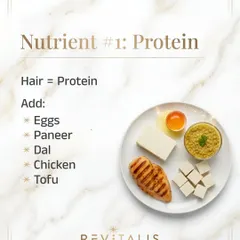
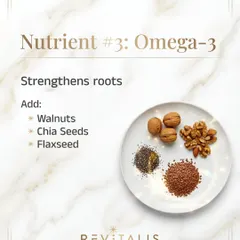
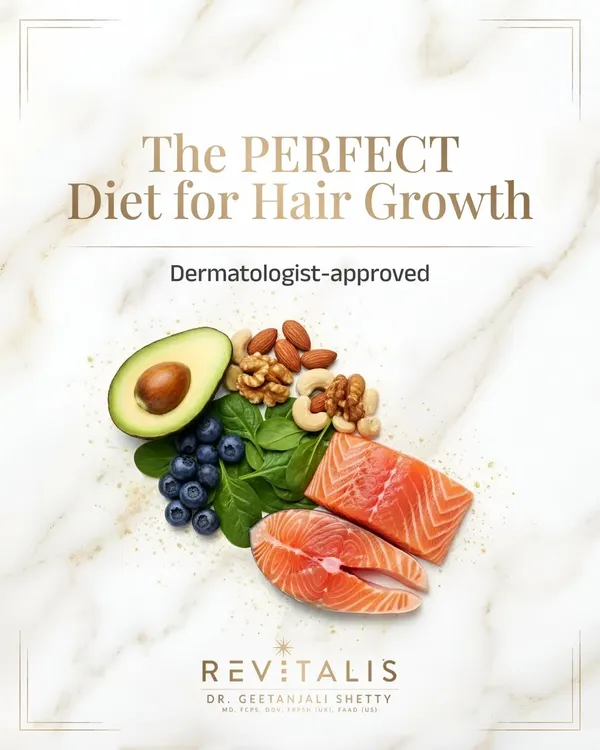
Eat Your Way to Better Hair: Essential Nutrition for Growth
Nutrition: Fueling Your Hair from Within
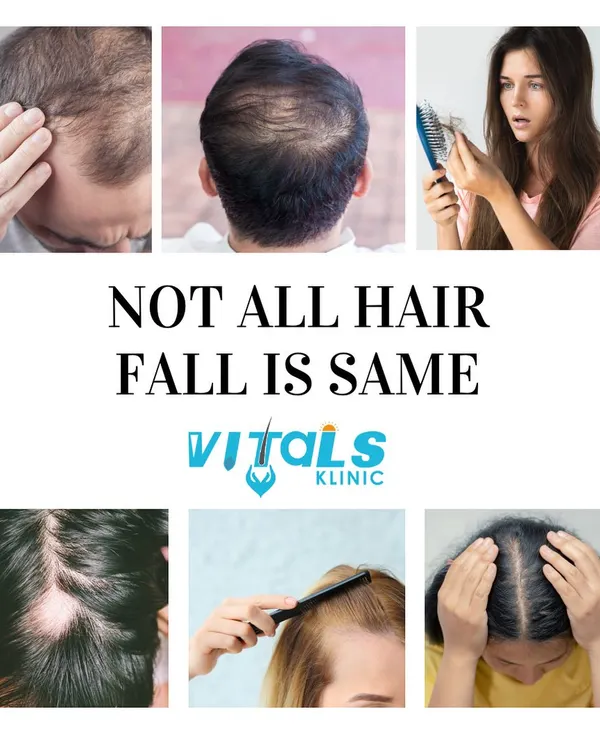 4
4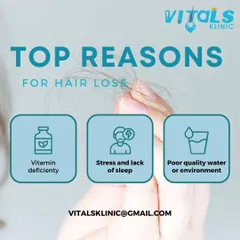
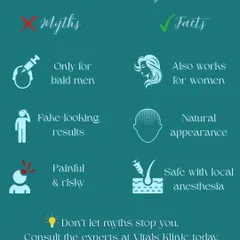
Understanding Hair Loss: Causes, Myths, and Solutions
 16
16
Fueling Your Hair from Within: Expert Nutrition Advice
Holistic Hair Care and Root Cause Analysis
 4
4
Understanding Hair Loss: Causes and Real Treatments
More from Hair Loss & Regrowth Treatment by Sree Vasavi