Your Daily Hair Care Routine: Science-Backed Advice for a Healthy Scalp
Good hair begins with how you treat your scalp at home. I break down the science behind oiling, washing, and product choices so you can stop guessing and start caring for your hair correctly.
This animation illustrates how different hair care products work. It shows hair oil nourishing the follicle, shampoo cleansing the scalp, conditioner smoothing the hair shaft, and a hair mask providing deep treatment.
This video provides several essential tips for maintaining healthy hair. It covers a balanced diet, gentle handling of wet hair, and minimizing heat styling to prevent breakage and maintain shine.
Oiling the scalp is a common practice, but it is surrounded by myths. It is important to understand the facts to ensure you are benefiting your hair, not causing issues like clogged pores.
The type of oil you use should depend on your scalp type. Lighter oils like jojoba or argan are suitable for dry scalps, while those with oily scalps should avoid heavy oils to prevent buildup.
The primary benefit of oiling is moisturizing a dry, flaky scalp, much like using a moisturizer for dry skin. It provides hydration but is not a miracle solution for hair growth on its own.
A common myth is that applying more oil leads to more hair growth. In reality, hair growth is determined by genetics, hormones, and overall scalp health, not the amount of oil applied.
Leaving oil on overnight is another myth that can be counterproductive. For most people, one to two hours before washing is sufficient to hydrate the hair without clogging pores or attracting dirt.
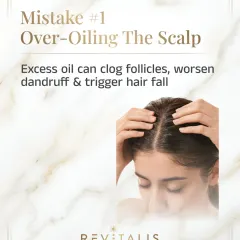
Over-oiling can lead to several side effects, including clogged pores, an itchy scalp, and product buildup that weighs hair down. Moderation is key for a balanced, healthy scalp.
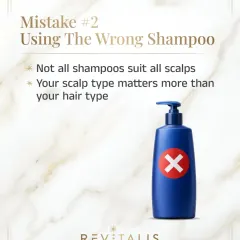
Choosing the right shampoo is not a one-size-fits-all decision. Your choice should be based on your specific scalp type, whether it is oily or dry, to ensure proper care.
The first step is to identify your scalp type. A dry scalp often feels tight or itchy, while an oily scalp will feel greasy within a day or two of washing, causing roots to look limp.
About Your Daily Hair Care Routine
Most people I see in the clinic are over-oiling their scalps, thinking it boosts growth, or they are using heavy, creamy shampoos on an already oily scalp. If your roots look limp or you are dealing with persistent dandruff, it is often your daily habits, not your genetics, that are the root issue. You do not need a complex ten-step process, but you do need to align your products with your specific scalp type.
Understanding Your Scalp Type
Before picking up a bottle of shampoo or oil, you must identify your scalp type. An oily scalp feels greasy within a day or two of washing, often leaving roots looking flat. A dry scalp feels tight, itchy, or prone to flaking. Using heavy, moisturizing oils on an already oily scalp or drying, clarifying products on a dry scalp will only aggravate the condition.
The Truth About Oiling
Oiling is a tradition, but it is often practiced incorrectly. Many believe leaving oil on overnight provides more nourishment, but this frequently leads to clogged pores, attracting dirt, and even triggering scalp acne. For most, applying oil for one to two hours before a wash is sufficient to provide hydration without causing buildup. Remember, oil acts as a moisturizer for the skin on your scalp; it is not a direct solution for hair growth.
Choosing the Right Cleanser
Your shampoo should be chosen based on your scalp, not your hair length.
- For Oily Scalps: Look for balancing or clarifying formulas containing ingredients like salicylic acid or tea tree oil to manage sebum production. Avoid heavy, creamy options that weigh down the hair.
- For Dry Scalps: Prioritize hydrating ingredients like aloe vera, glycerin, or shea butter. Avoid strong sulfates or alcohols that strip away natural moisture.
When Home Care Isn't Enough
If you have adjusted your routine and are still experiencing significant hair fall, itching, or dandruff, it may be time to move beyond home remedies. Persistent issues often point to underlying factors like nutritional deficiencies, hormonal imbalances, or fungal infections that require professional diagnosis. A digital trichoscopy allows us to see exactly what is happening at the follicular level, helping us create a targeted treatment plan rather than relying on trial and error.
Similar work from other experts
Browse through Curated picks from other experts on mytribe
Essential Hair & Scalp Care Science
Essential Hair & Scalp Care
Effective At-Home Hair Care Tips
Scientific Guide to Scalp Health and Hair Care
Daily Hair Care Tips and Science-Backed Routines
 12
12
The Scalp-First Approach to Healthy Hair
More from Hair Loss & Regrowth Treatment by Sree Vasavi