My Design Philosophy: Spaces That Feel Like You
I believe a space must make you feel before you think. Here is the philosophy behind how I turn your stories into homes that live and breathe.
This is the belief that guides every project I undertake. Before any analysis of form or function, a space must connect with you on an emotional level.
Design is everywhere, but I believe true storytelling through design is rare. My goal is to craft narratives that are woven into the very fabric of a space.
Trends come and go, but emotion is timeless. I focus on creating spaces that will resonate for years to come, rather than chasing temporary aesthetics.
My design approach is layered. I consider how light shapes a room, how materials feel to the touch, how people move through a space, and what memories are created there.
Especially in urban environments, a space has to do more than just look good. It must function effortlessly and enhance the quality of life for those who use it.
The core of my practice is finding the perfect equilibrium between immersive, story-driven design and practical, everyday functionality.
Every bold idea must be grounded in reality. A design is only successful if it works seamlessly for the client, their family, or their guests.
I believe that emotional intelligence is just as important as technical skill in architecture. We need EQ to truly understand and design for people.
Designing the pediatric clinic required more than just organizing a layout. It required empathy for the children, parents, and doctors who would use the space every day.
It was only by tuning into the emotions of future users that I could craft an environment for the clinic that felt safe, nurturing, and joyful.
About My Design Philosophy & Process
Before we pick a tile or paint a wall, we focus on the narrative. My process starts with understanding your daily rhythm. Whether it is a cramped city apartment or a sprawling farmhouse, I look for the awkward angles first. That is where the character is hidden. We do not flatten these quirks, we design around them to create custom storage or focal points that make your home uniquely yours.
The Three Pillars: Function, Form, Finesse
I don't believe in architecture that imposes itself on you. My process is a dialogue.
- Function: We start with the daily reality. If you are a morning person who hates clutter, your kitchen layout needs hidden storage solutions that I prioritize over pure aesthetics.
- Form: This is where we interpret your story. Whether it is the susegad energy of a Goa retreat or the structured, fast-paced life of a Delhi professional, the form follows your needs.
- Finesse: The details that make a space feel alive. It is the texture of rattan, the warmth of teak, and the intentional use of light.
Why I Value EQ Over IQ
Designing for a human experience requires emotional intelligence. It is not just about grid lines and CAD drawings. When I worked on the pediatric clinic, I didn't design for a client, I designed for anxious children and worried parents. I created zones that offered comfort, not just utility. I bring this same level of empathy to every residential project.
My Design Process
- Listening: We talk about what you need, not just what you want.
- Spatial Narrative: We craft a layout that solves existing constraints, turning those odd corners or small rooms into features.
- Material Selection: I lean heavily into natural materials like Indian sandstone, cane, bamboo, and wood to ground the space.
- Execution: Through constant site supervision and collaborative design, we ensure the final output matches the initial story we set out to tell.
Similar work from other experts
Browse through Curated picks from other experts on mytribe
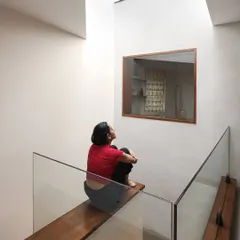
Our Design Philosophy: Spaces with Soul
Our Design Philosophy: Spaces That Feel Right
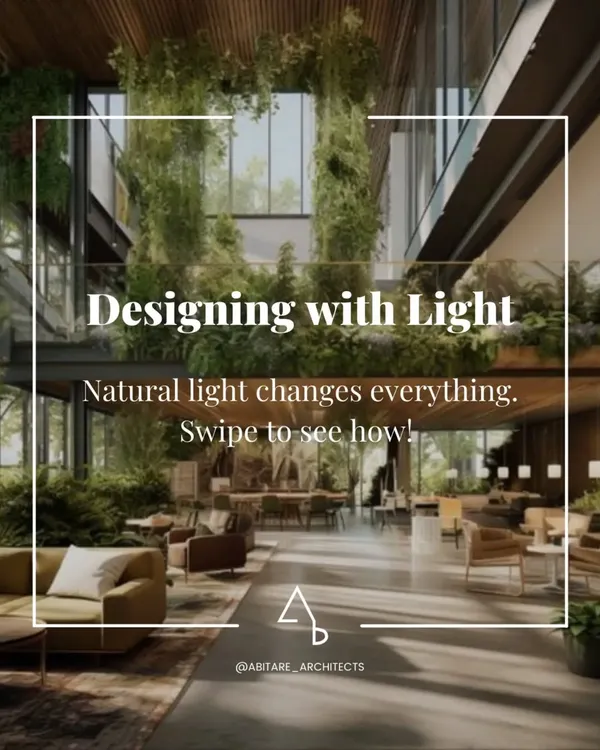 21
21
Our Design Philosophy: Shaping Spaces for Living
Our Design Philosophy: Spaces That Feel Like You
 73
73
My Design Philosophy & Client Stories
Our Architectural Design Philosophy
More from Residential Architecture & Interior Design by UrbanMistrii
More services by UrbanMistrii