Building Trust and Positive Dog Training
Training isn't about making your dog follow commands—it’s about building a language of trust, partnership, and agency in a human-centric world.
Traditional training often focuses on performance cues like "Sit" and "Stay." I believe in training for partnership, focusing on communication, trust, and meeting our dogs' needs.
Puppy biting is normal, but the key is to redirect them to an appropriate outlet. Instead of punishing the bite, I focus on giving them something acceptable to chew on, meeting their need in a positive way.
My relationship with my dogs improved when I stopped seeing their behavior as "good" or "bad" and started getting curious about the "why." This shift from judgment to curiosity is the key to connection.
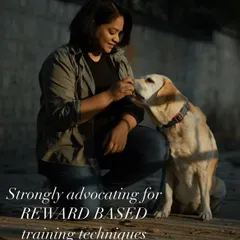
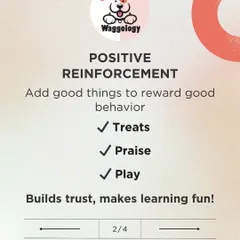
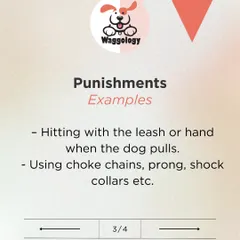
I sleep well at night knowing I don't use corrections, intimidation, or leash tugs to communicate. Kindness, connection, and positive reinforcement are not only more ethical, but also more effective.
Just like people, some dogs don't like their boundaries crossed by strangers. When I say my dog doesn't want to be petted, it's not because she's aggressive. It's because she has preferences that deserve respect.
For me, training isn't about molding a dog to fit a role. It's about giving them the tools and confidence to thrive in our human-centric world while still being their unique selves.
Dogs have natural ways to relieve stress, like chewing, shaking off, and sniffing. By recognizing and encouraging these self-soothing behaviors, we can help them manage their own emotional state.
Building confidence in a dog is about setting them up for success. I start with easy tasks and gradually increase the difficulty, celebrating small wins along the way to make learning a positive experience.
Before we label a behavior as a "problem" to be fixed, I always ask what unmet need the dog might be communicating. Often, addressing the root cause is more effective than just trying to stop the symptom.
There's nothing more rewarding than earning the trust of a scared dog. By giving this dachshund space and the choice to approach me on his own terms, we built a connection based on safety, not coercion.
About Building Trust & Positive Training
Most training focuses on performance—sit, stay, heel. That is not what I do. We focus on communication. When I look at a dog's behavior, I don't see a problem to be fixed. I see a dog with a need, an emotion, or a stressor that we need to support. Whether it is leash pulling, jumping, or reactivity, we stop using 'corrections' and start using curiosity. If you are ready to stop the tug-of-war and start a conversation, let us talk about how to make your home a safer, more predictable space for your dog.
Why 'Compliance' Isn't Enough
Many of us were told that a 'good' dog is one that obeys perfectly. But training for performance often relies on fear, intimidation, or just getting the dog to stop doing something without understanding why they started in the first place. That is the band-aid approach.
Moving from Control to Connection
My approach is built on partnership. If your dog is pulling on the leash, I do not look for a stronger tool to yank them back. I look for the reason. Are they overstimulated? Are they anxious? Are their needs being met? When we shift our focus from controlling the dog to meeting their needs, the 'bad' behaviors often melt away because the dog no longer feels the need to fight their environment.
Practical, Real-Life Solutions
- Understanding Agency: I believe in giving dogs a choice. This builds confidence, especially for shy or rescue dogs who have had their boundaries crossed too often.
- The 'Why' Behind the 'What': Before we label a behavior, we look at the root cause. Pain, stress, and lack of exercise are the most common culprits for 'naughty' behavior.
- Force-Free Always: I do not use prong collars, slip leads, or leash tugs. My training relies on positive reinforcement and clear communication.
If you are overwhelmed by your dog's behavior, you are not failing. You are just lacking the right toolkit. Let us replace the frustration with a plan that actually helps your dog thrive.
Similar work from other experts
Browse through Curated picks from other experts on mytribe
 14
14
Building a Trust-Based Bond with Your Dog
Build a Bond Based on Trust, Not Just Commands
My Dog Training Philosophy: Respect and Trust
 13
13


My Force-Free Dog Training Philosophy
Understanding Your Dog's Emotions Over Compliance
 5
5

Our Philosophy & Pro Tips for Happy Dogs
More from In-Home Dog Boarding by Kirti Tripathi
More services by Kirti Tripathi