The Science Behind Early Childhood Music Development
Music isn't just play—it is how a young child’s brain learns to listen, process, and connect. Discover the research behind our methods and why the first five years are the critical window for cognitive growth.
This is a powerful reminder of why the early years are so crucial. A child's brain is rapidly forming connections, and it keeps what is used. Consistent musical exposure helps build and strengthen vital neural pathways for life.
This finding from MIT reinforces what we have always known. Learning a musical instrument and engaging with music builds stronger brain connections for speech, memory, and executive function than many other activities.
I often share this with parents and teachers to explain the 'window of opportunity' in early childhood. Our program provides the appropriate music instruction and tools, but you, the teacher or parent, are the most important ingredient.
What happens when music is absent? The brain, being efficient, prunes away the neural pathways it doesn't think are needed. This is why I advocate for making music a consistent, daily part of a child's life.
We often get it backwards, treating music as an afterthought. My training program is built on the principle that music should come first, as it lays the groundwork for language, math, and emotional intelligence.
Music is not a luxury or an extracurricular for the 'talented'. It is a fundamental part of being human. Our program teaches you how to make music accessible and joyful for every single child, regardless of initial ability.
Some people think music education is only for creating professional musicians. This couldn't be further from the truth. The skills learned through music, like listening, collaboration, and creative thinking, are skills for life.
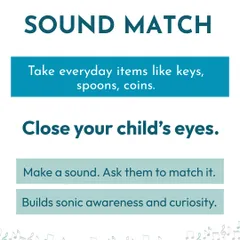
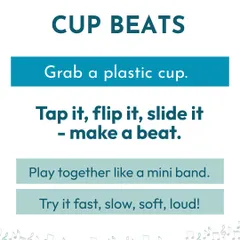
This is a core message I want every parent and teacher to understand. This collection of slides breaks down the common misconceptions about early childhood music and its profound impact on the brain.
This beautiful text captures the soul of our work. We teach music not just as a skill, but as a way to help children become more fully human, to recognize beauty, and to live with more compassion and joy.
About The Science Behind the Music
While many programs treat music as a simple hobby, we focus on the 'window of opportunity'—that critical birth-to-five period where neural pathways for language and memory are actively shaped. If you are exploring our certification, know that we don't just teach you to lead a song; we train you to manage that developmental window using research-backed tools, so you can guide children through the very same neural growth I have witnessed in my 25 years of teaching.
Understanding the Neural Window
At The Musicircle, we believe music should come first, not last. Neuroscience backs this up. Between birth and age five, a child’s brain is building the connections that support language, math, and social-emotional skills for life. When a child engages with rhythm and melody, they are strengthening their executive function and memory in ways that logic-based activities simply don't match.
Moving Beyond the Talent Myth
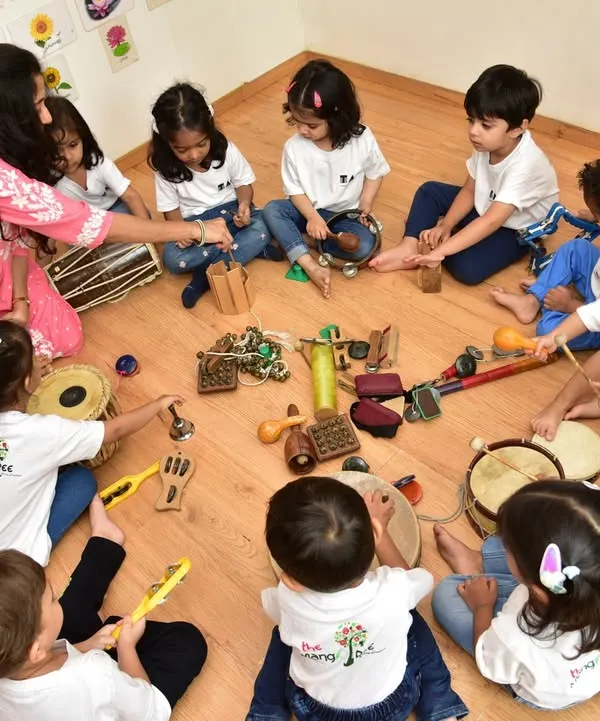
A common misconception I hear from parents and aspiring teachers is that music is only for the 'talented.' This couldn't be further from the truth. Our Music in Measures curriculum is designed to make music accessible to every child, regardless of whether they 'can sing.' We focus on inborn potential. When we use props like egg shakers or rhythm sticks, we are engaging the whole body, which reinforces the learning process.
What Our Training Covers
If you join our certification course, you aren't just learning to play a few tunes. You are learning to:
- Identify Development Milestones: Understand what a child is doing at 6 months versus 5 years.
- Apply Pedagogy: Use our research-based lesson plans that balance structure with masti (fun).
- Build Community: Create a space where parents feel safe enough to sing even if they think they can't.
Whether you're a parent wanting to understand your child's brain better or an educator wanting to start a meaningful career in Mumbai, our approach turns that scientific theory into daily joy.
Similar work from other experts
Browse through Curated picks from other experts on mytribe
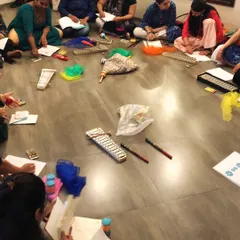
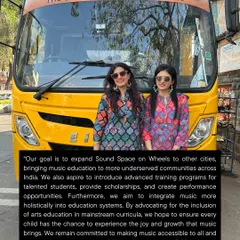
Exploring Our Joyful Approach to Music Education
Early Childhood Music & Movement Classes
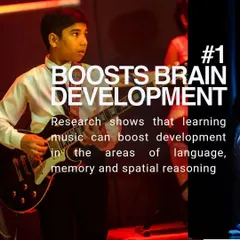
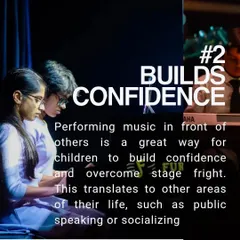
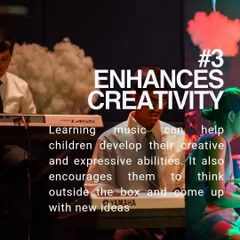
The Benefits of Learning Music: Building Skills for Life
 53
53Early Music Education for Children in Mumbai
 17
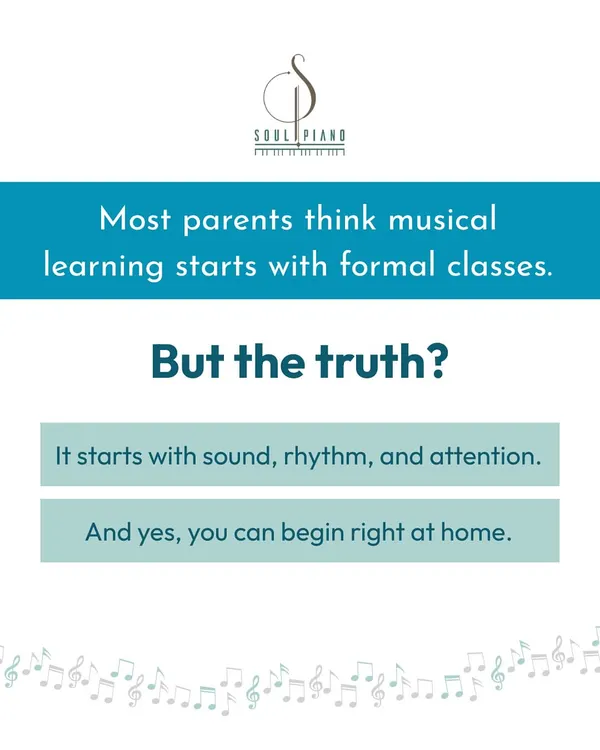
17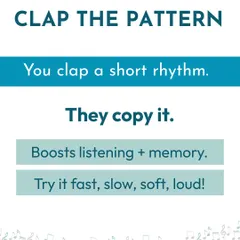
A Parent's Guide to Starting Your Child’s Musical Journey
 5
5
Playful Indian Classical Music Classes for Toddlers
More from Early Childhood Music Teacher Training by The Musicircle
More services by The Musicircle