A Parent's Guide to Starting Your Child’s Musical Journey
You don't need a piano to spark a love for music. Discover how simple, everyday moments can build rhythm, focus, and confidence in your child before formal lessons even begin.
Most parents think musical learning starts with formal classes, but the truth is it begins right at home with sound, rhythm, and attention.
A fun game to try at home is 'Clap the Pattern'. You clap a short rhythm, and your child copies it. This simple activity boosts listening skills and memory.
Try 'Sound Match' to build sonic awareness. Have your child close their eyes, make a sound with an everyday item like keys or spoons, and ask them to guess what it is.
'Cup Beats' is another great at-home music game. Grab a plastic cup and make a beat by tapping, flipping, and sliding it. It's a fun way to play together like a mini-band.
Why do these simple games matter? They help grow fundamental musical skills like rhythm, focus, ear training, and confidence, long before fingers ever touch a piano.
Every child learns music their own way. Some learn with their ears, some with their eyes, and some can't sit still. Learning piano isn't one-size-fits-all.
The Visual Learner loves patterns, notes, and finger charts. They learn by seeing the sound and would appreciate color-coded sheet music and doodles.
The Auditory Learner hears the magic. Play a tune once, and they're humming it all day. For them, learning music is about listening and repeating.
The Kinesthetic Learner moves to learn. They need to feel the music with their fingers and feet, wiggling and bouncing as they play. For them, sitting still is overrated.
The Mixed Learner uses a little bit of everything. Some days they learn with their eyes, and other days with their ears. The key is keeping lessons interesting.
About For Parents: A Guide to Your Child's Musical Journey
Every child processes sound differently. Some learn by watching patterns on keys, some by listening to melodies, and others just need to wiggle while they play. At my studio, we don't force a one-size-fits-all curriculum. We observe how your child naturally engages with sound—whether they are a visual, auditory, or kinesthetic learner—and tailor our lessons to match, keeping the fun factor high and the pressure low. It's about finding that natural rhythm where learning feels like play, not a chore.
Bringing Music into Your Home
Most parents think musical learning starts with formal classes, but the truth is it begins right at home. You don't need an expensive instrument to get started. Simple activities like 'Clap the Pattern' or 'Sound Match' with everyday objects can build rhythm and auditory skills before your child ever touches a keyboard. These moments of play help develop core skills like focus and memory in a low-pressure environment.
Decoding Your Child's Learning Style
At Soul Piano Studio, we don't just teach notes. We decode how your child learns.
- The Visual Learner: Loves patterns, finger charts, and color-coded sheet music.
- The Auditory Learner: Hears the magic, hums melodies, and learns by listening and repeating.
- The Kinesthetic Learner: Needs to move, wiggle, and press keys physically to feel the rhythm.
Recognizing this style early changes everything. It means we adapt our teaching to them, rather than asking them to sit still and follow a rigid, textbook approach.
Setting Goals That Actually Work
When you’re setting goals with your child, start with the 'why.' Are they learning for fun, for confidence, or for future mastery?
- Involve, don't instruct: Ask what excites them and review these goals monthly.
- Age-appropriate milestones: Focus on sound exploration for ages 4–6, basic songs for ages 7–9, and technique for 10+.
Remember, music isn’t just heard—it’s felt. Whether you choose online lessons, in-home tutoring in South Delhi, or a studio session in GK2, the goal is to nurture a lifelong love for the instrument.
Similar work from other experts
Browse through Curated picks from other experts on mytribe
Piano Lessons for Kids: Early Learning & Performance
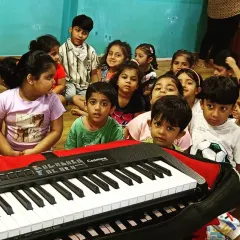
Music Classes for Kids that Build Confidence & Skill
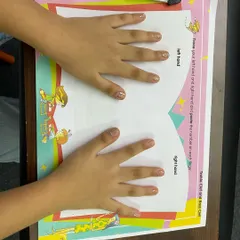
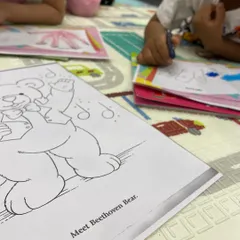
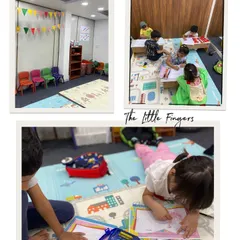
Learning Through Play: Music Classes for Toddlers
Music Training for Kids in Bangalore
Music Lessons for Kids in Koramangala
Piano and Keyboard Classes for Kids (Ages 4+)
More from Piano Lessons by Soul Piano Studio
More services by Soul Piano Studio