The Science & Art of Soap Making
Beyond just pretty designs, I teach the actual chemistry—saponification, lye concentrations, and formulation—so you can craft soap that truly transforms your skin.
I explain why formulation is more important than just pretty designs for creating soaps that customers will love and use.
A look at the science behind the "Ghost Swirl" technique, showing the different lye concentrations used in SoapCalc to achieve the effect.
A real-life soap making fail! This video shows what happens when a fragrance oil accelerates trace, turning the batter into a solid mass. A great lesson in testing your ingredients.
My "Tips and Tricks" series starts with colors. Here, I explain how to properly use cosmetic-grade micas to get vivid, stable colors in cold process soap.
Episode 2 of "Tips and Tricks" covers how to use titanium dioxide correctly to achieve a pure, solid white soap without speckles.
My "Rainbow Bloom" soap, created for a color theory challenge using the One Pot Wonder technique.
"Lilac Blooms," my entry for a marbled soap technique challenge, featuring soft swirls and delicate gold mica veins.
Another view of the "Lilac Blooms" marbled soap, stacked to show the consistency of the pattern.
These kaleidoscope face wash soaps were made using the "ghost swirl" technique with a blend of essential oils.
Another batch of the kaleidoscope soaps, showing a slightly different pattern from the same technique.
About The Science & Art of Soap Making
Soap making isn't just about mixing oils; it’s about understanding the chemistry behind every batch. In my workshops, I teach you to anticipate how fragrance oils affect trace and how to use tools like SoapCalc, so you spend less time fixing kitchen disasters and more time creating consistent, skin-loving products.
Why I focus on chemistry
Pretty soaps might sell once, but great formulations keep people coming back. When I started in my kitchen nine years ago, I didn't just want to make soap that looked good; I wanted to understand the saponification process so I could solve problems before they happened. That is exactly what we do in my workshops.
What you will learn
Whether you are a hobbyist or looking to turn this into a business, we break it all down:
- Cold Process Basics: From lye safety to measuring lye-water concentrations, we cover the core skills you need to work confidently.
- Formulation: Learn to use professional soap calculators so you aren't just copying recipes, but actually creating your own custom bars.
- Advanced Techniques: Master the 'ghost swirl' or 'one pot wonder' methods I often share on my social media. We discuss temperature control and trace management to get those crisp, predictable results.
- Problem Solving: We talk about common issues, like why some fragrance oils accelerate trace or how to use micas properly for vivid, stable colors.
Join me in Shanti Nagar
I run hands-on, intensive workshops at my Shanti Nagar studio in Bengaluru. These aren't just demos; you are hands-on from start to finish. You will learn the science, make your own batch, and leave with the knowledge to troubleshoot your future experiments. If you cannot make it to the studio, I also offer private sessions and self-paced online courses. Let's get soap making and stop guessing how your ingredients will react.
Similar work from other experts
Browse through Curated picks from other experts on mytribe
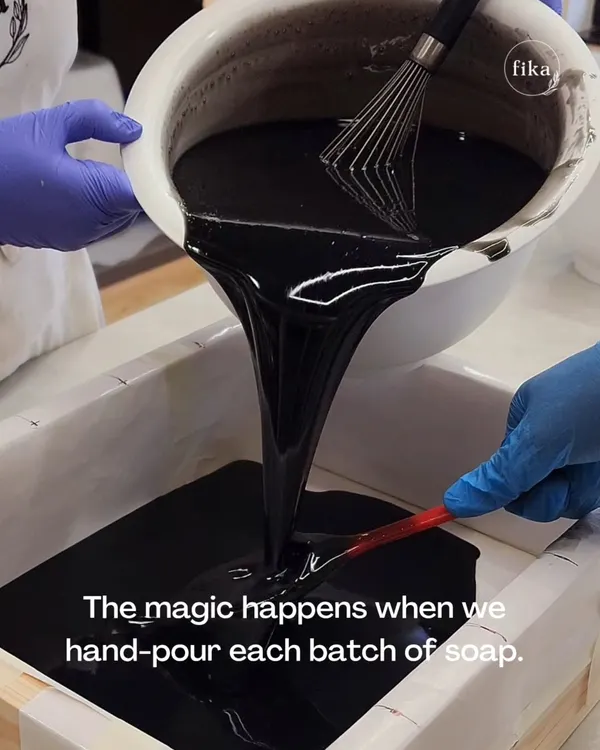
The Art of Handcrafted Soap Making
 15
15
The Art of Cold Process Soap Making
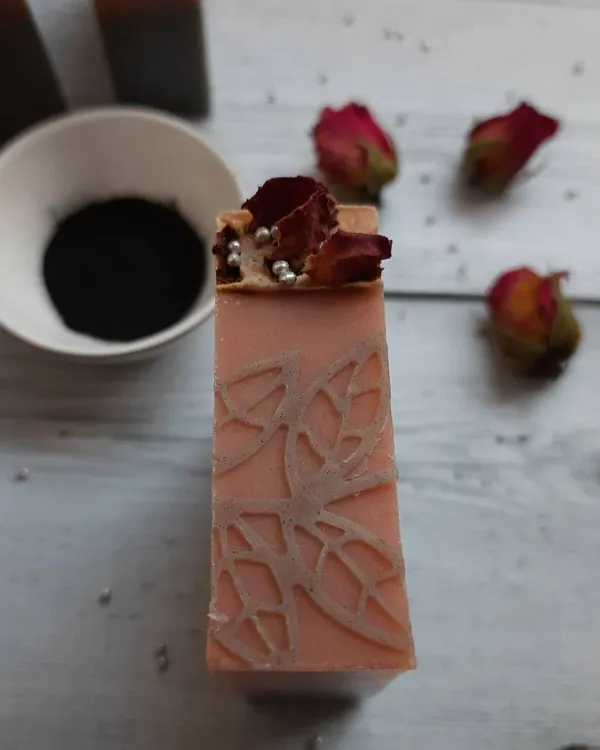
Behind the Scenes of Handmade Organic Skincare
 57
57
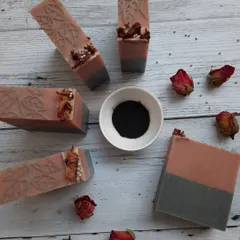
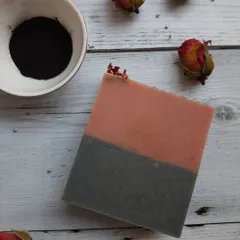
Artisan Cold-Process Soap Bars in Bengaluru
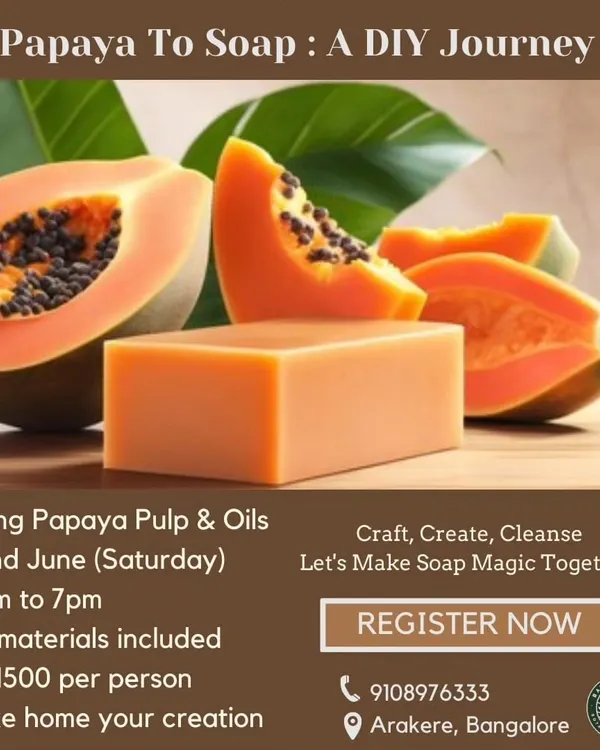 13
13
Natural Skincare & Soap Making Workshops
 13
13
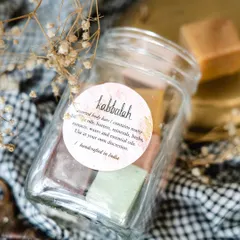
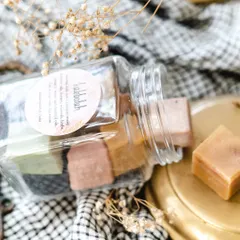
Handmade Artisanal Body Bars & Natural Soaps
More from Soap Making Workshops by Suffuse
More services by Suffuse