Scientific Writing Tips: Simple Strategies for Your Research
Academic writing doesn't have to be a lonely, overwhelming maze. Here is my personal approach to making your research story clear, authentic, and ready for publication.
It's important to strike the right balance between formal and informal language in scientific writing. While you want to be professional, you also want to be clear. This post gives some fun examples of what you might feel like saying versus what you should actually write.
Conciseness is key in scientific writing. This post shares some of my top tips for writing concise sentences, such as removing unnecessary words and using the active voice. Clear, direct writing is always more impactful.
The Pomodoro technique is great, but it's not the only time management tool for researchers. Here, I share a few other methods like the Eisenhower Matrix and Time Blocking to help you make your writing process more focused and efficient.
A common question I get is which section of a research article to write first. My answer is always the Results. Your data is the hero of your paper's story, and writing the results section first helps you build a data-driven narrative.
Plagiarism can even be accidental. In this clip, I explain why you should never copy and paste sentences into a Word document during your literature review. I advise using notes with proper citations to avoid this common pitfall.
This carousel post shares my top tips for overcoming writer's block. The key is to write without fear and edit without mercy. I encourage writers to read widely, use creative forms like mind maps, and remember that nobody gets to see your messy first draft.
This carousel post shares my top tips for overcoming writer's block. The key is to write without fear and edit without mercy. I encourage writers to read widely, use creative forms like mind maps, and remember that nobody gets to see your messy first draft.
This carousel post shares my top tips for overcoming writer's block. The key is to write without fear and edit without mercy. I encourage writers to read widely, use creative forms like mind maps, and remember that nobody gets to see your messy first draft.
This carousel post shares my top tips for overcoming writer's block. The key is to write without fear and edit without mercy. I encourage writers to read widely, use creative forms like mind maps, and remember that nobody gets to see your messy first draft.
This carousel post shares my top tips for overcoming writer's block. The key is to write without fear and edit without mercy. I encourage writers to read widely, use creative forms like mind maps, and remember that nobody gets to see your messy first draft.
About My Writing Philosophy & Tips
Stop trying to write your manuscript linearly. I always recommend starting with your Results section. Treat your data as the hero of your story and build the rest of your paper around it. This approach removes the paralysis of staring at a blank introduction page and keeps your writing focused on what truly matters.
Writing Without Fear
Writer's block is just fear in disguise. When I sit down to write, I follow a simple rule: write without fear and edit without mercy. Your first draft is meant to be messy. It is for your eyes only, so don't worry about grammar or perfect structure at the start. Just get the ideas onto the page. Once you have the draft, take a break, come back with fresh eyes, and use your 'red sword' to trim it down.
The Plagiarism Trap
Many researchers stumble into accidental plagiarism during the literature review phase. My advice? Stop copying and pasting sentences directly into your document. It is a dangerous habit that often leads to accidental duplication. Use physical notes, post-its, or mind maps to capture concepts instead. If you have to keep digital notes, ensure the author, year, and source are tagged immediately. Keep the drafting process separate from the reading process.
Why Tools Matter Less Than You
I teach researchers how to use Zotero, Mendeley, and AI tools like ChatGPT for literature searches and paraphrasing. However, remember that these are just tools. They should work for you, not the other way around. Whether you are using the Eisenhower Matrix for time blocking or specific software for reference management, the goal is always the same: make your writing process more efficient so you can spend less time struggling with the mechanics and more time developing your ideas.
Similar work from other experts
Browse through Curated picks from other experts on mytribe
Practical Writing and Editing Tips for Aspiring Authors
 32
32
Quick Creative Writing Tips & Prompts
The Author's Life: Real Musings & Motivation for Writers
 55
55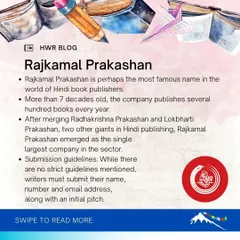
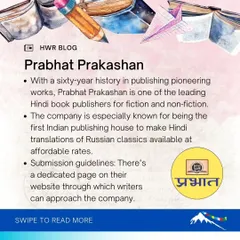
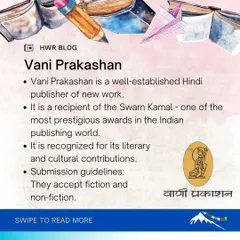
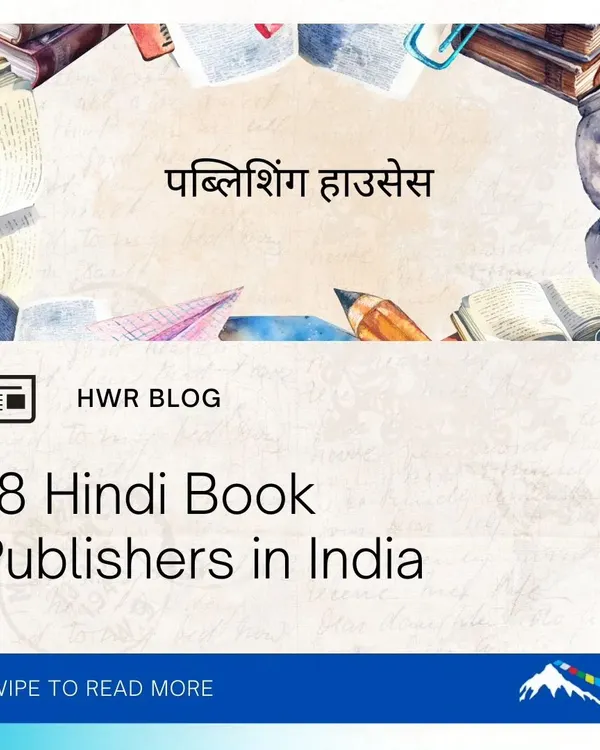
Writing Resources: Opportunities, Publishing Guides, and Contests
Master the Art of Legal Drafting
 25
25

Mastering the Craft: Writing Workshops in Bangalore
More from Academic Writing & Publishing Workshops by Sowmiya Rani
More services by Sowmiya Rani