Hair Transplant: Medical Advice & Recovery Guidance
A hair transplant is a significant procedure, not a quick fix. Before you decide, understand the timeline, the critical role of your lifestyle in graft survival, and why seasonal timing matters.
A hair transplant is a journey that requires patience. This video outlines the typical hair growth timeline after the procedure, showing what to expect from the initial shedding phase to the start of regrowth around the 3-month mark and the final results over the next year.
When is the best time for a hair transplant? I explain that while it can be done any time for those with a normal scalp, winter is preferable for individuals with conditions like dandruff or excessive sweating to ensure a smoother recovery.
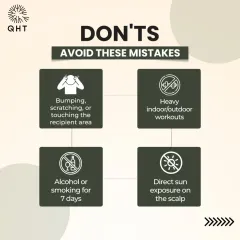
Post-procedure care is critical for the success of a hair transplant. In this video, I list the essential things to avoid, such as scratching, smoking, heavy exercise, and direct sun exposure, to ensure the best possible graft survival and healing.
Does smoking affect hair transplant results? Absolutely. I explain how smoking constricts blood vessels, reducing blood flow and oxygen to the new grafts, which can lower their survival rate, increase scarring, and delay healing. Quitting is essential for a successful outcome.
About Hair Transplant: Advice & Aftercare
A hair transplant is only as successful as your commitment to the aftercare process. From the 3 month mark where actual regrowth begins to the critical first few weeks where habits like smoking and heavy exercise can directly sabotage graft survival, your actions dictate the final result. I focus on the medical reality here, not a sales pitch, because your long term hair health depends on following strict, science based protocols.
The Reality of Hair Restoration
When we discuss hair transplants, the most common misconception is that the surgery is the finish line. In reality, the surgery is just the start. At Skinlogics, we perform FUE (Follicular Unit Extraction) for Grade 3 to Grade 5 baldness. This involves harvesting 2000 to 4000 grafts and placing them with precise attention to angle and density. However, no matter how perfectly I place these grafts, their survival depends on the scalp environment you provide.
Why Lifestyle Matters
Your habits before and after the procedure are non negotiable. Smoking is the biggest enemy of a transplant. It constricts blood vessels, directly reducing the oxygen flow to the newly implanted grafts. This leads to poor graft survival, increased risk of scarring, and delayed healing. If you are not ready to commit to a healthier lifestyle for the recovery period, the results will suffer.
The Recovery Timeline
Expect a journey, not an instant transformation. You will face a shedding phase before new growth appears. For the first few weeks, you must sleep on your back, avoid touching or scratching the scalp, and use gentle shampoos as advised.
Seasonal Considerations
Timing is another practical factor. If you suffer from seborrhea, dandruff, or excessive sweating, I recommend planning your procedure for the winter months. Sweating and humidity can complicate healing for sensitive scalps. If your scalp is healthy and free of infection, the season is less critical, but we always prioritize clinical safety over convenience.
I do not recommend this surgery for anyone under 25, as hair loss patterns are often not stable yet. My goal is to ensure you have enough donor area for the long term, not just a temporary fix.
Similar work from other experts
Browse through Curated picks from other experts on mytribe
 6
6
Hair Transplant (FUE) Surgery in Greater Noida
Hair Transplant: The Science of Natural Restoration
Your Hair Transplant Journey: A Guide to Painless Recovery
 5
5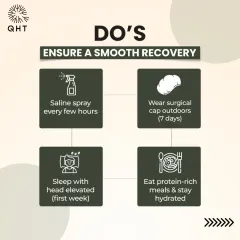
Post-Transplant Care: A Complete Guide to Your Recovery
 37
37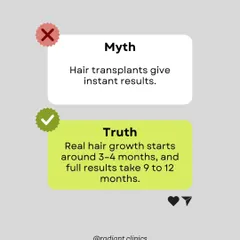
Your Hair Transplant Journey: What Actually Happens
Hair Transplant Guide: Safety, Results, and Honest Advice
More from Hair Restoration & Removal by Vandana Malik
More services by Vandana Malik