Your Hair Transplant Journey: What Actually Happens
A hair transplant is a commitment, not a quick fix. From understanding the root cause of your hair loss to the final results, here is what you need to know about the restoration process.
Myth: One session is enough for everyone. Truth: The number of sessions depends on your donor area, the extent of your hair loss, and your desired density. I create a personalized plan for every patient.
Myth: Results are instant. Truth: A hair transplant is a process of growth. The transplanted hair first sheds, and new growth begins around 3-4 months, with full results taking 9-12 months to mature.
Myth: Transplants stop future hair loss. Truth: The procedure doesn't stop the progression of hair loss in non-transplanted areas. I often recommend PRP or medication to maintain your existing hair.
Myth: All transplanted hair stays forever. Truth: Hair transplanted from the permanent donor zone is permanent. However, surrounding native hair can still thin over time, which is why a long-term plan is important.
This image introduces a series where I break down the top 5 myths and facts about hair transplants. My goal is to provide clear, factual information to help you make an informed decision.
Myth: Transplants are only for large bald areas. Truth: I perform transplants for many needs, including fixing receding hairlines, filling gaps in beards or eyebrows, and covering small patches.
Are you noticing the first signs of hair loss? This video explains how to identify early indicators like increased shedding, thinning hair, and a receding hairline so you can take action sooner.
Premature balding can affect your confidence. If you're tired of being called 'uncle' before your time, it might be time to consult with an expert about permanent hair restoration solutions.
Many people consider hair wigs or patches, but a hair transplant offers a permanent solution that looks and feels natural, is cost-effective in the long run, and requires minimal maintenance.
Preparing for your surgery is an important step. This graphic outlines the key precautions to take before a hair transplant, such as getting blood tests and following all pre-op instructions.
About Your Journey Explained: From Consultation to Recovery
Most patients fear that the surgeon they meet in the consultation isn't the one performing the surgery. My promise is simple: I personally design your hairline and handle the slit-making process myself. You are not handing your scalp over to technicians; you are working with me from the first check-up to your final follow-up, ensuring the technique used is tailored to your specific hair loss pattern.
Understanding Your Hair Loss
Hair loss is rarely simple. It is often 'androgenetic alopecia', where testosterone causes thinning, leaving only the hair in the permanent zone at the back of your head untouched. I identify this early to ensure we only harvest follicles that will actually last a lifetime. If you opt for cheap surgery elsewhere, they often use non-permanent hair, which falls out within years.
The Process: Step-by-Step
- The Consultation: We don't just talk about grafts; we talk about your goals and realistic expectations. Whether you are in Andheri (Mumbai) or Preet Vihar (Delhi), the standard of care remains the same.
- The Procedure: Depending on your density needs and donor availability, we use either FUE or FUT. FUE is excellent for scarless, short-hair results. For larger cases, I use trichophytic closure to minimize scarring.
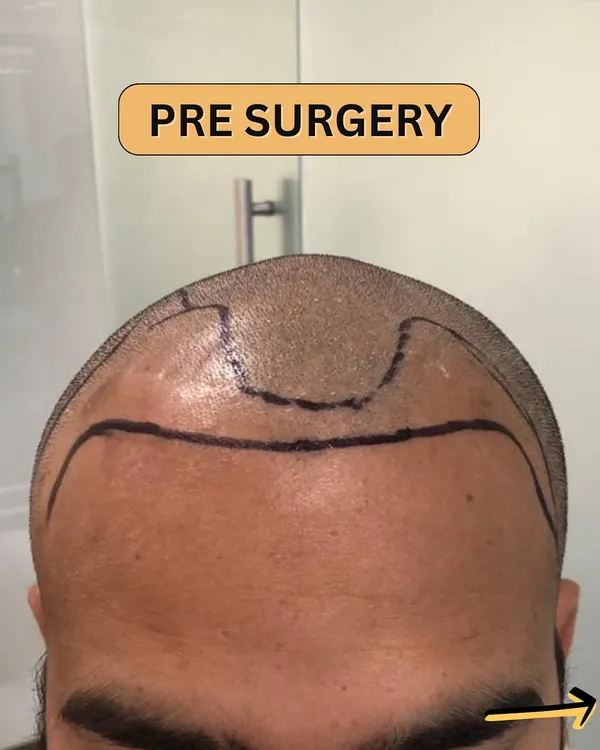
- The Recovery Timeline: This is a process of patience. You will see shedding in the first few months, followed by new growth starting at 3-4 months. Full maturation takes 9-12 months.
Why Technique Matters
Many clinics promise '10,000 grafts', but graft count means nothing if they aren't placed with artistic intent. I perform the slit-making to ensure the correct angulation, meaning your new hairline grows at the same angle as your natural hair. If you are struggling with a failed transplant or a depleted donor area, I specialize in corrective surgeries to fix unnatural hairlines and poor density. You are not just getting hair back; you are getting a result that looks like you were never balding in the first place.
Similar work from other experts
Browse through Curated picks from other experts on mytribe
 13
13


Your Hair Transplant Journey: A Transparent Guide
Your Step-by-Step Hair Transplant Journey
Your Hair Transplant Journey: What to Expect
 10
10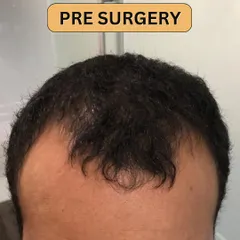
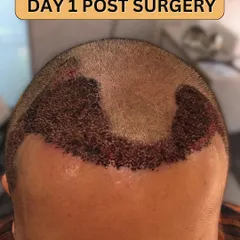
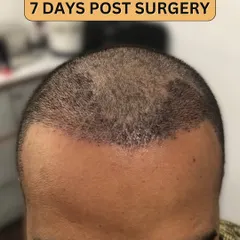
Your Hair Transplant Journey: What to Actually Expect
 54
54


Your Hair Transplant Journey: Process and Care
 10
10

Hair Restoration Guide: Expert Advice for Informed Decisions
More from Hair Transplant by Vikas Panthri
More services by Vikas Panthri