Traditional Wood Carving: Inside Our Workshop
Step into our Thammampatty workshop where heritage meets raw wood. Discover the ritual of traditional carving, from the first chisel sharpen to the final wax polish.
Our day begins not with carving, but with the sharpening of chisels. This foundational step ensures every cut is precise and clean, a ritual that honors the tools of our trade.
The detailing stage is where the sculpture's spirit truly emerges. Watch as a master artisan uses fine chisels to carve intricate patterns and textures, a process requiring immense patience and skill.
Every line and curve is carved with intention. This close-up view shows the careful sculpting of decorative elements, a hallmark of the detailed Thammampatty style.
Sanding is a crucial step where the raw meets the refined. Our artisans, many of whom are women from our community, skillfully smooth every surface by hand, preparing the sculpture for its final finish.
The sound of sanding is the sound of refinement. Here, a unique Varahi Amman idol is being carefully smoothed, ensuring a flawless surface that will beautifully accept the final wax or paint finish.
We use traditional joinery techniques, like placing dowel caps, to construct our larger and more complex pieces. This ensures structural integrity and is a testament to authentic woodworking practices.
The rhythm of sculpting is like a dance between the artisan and the wood. This video captures the dynamic process of carving a 36-inch Radha Krishna Jali panel, where figures emerge from the wood.
Even the largest sculptures, like this Peacock Vahana, undergo a detailed hand-sanding process. This ensures that every feather and curve is perfectly smooth before the finishing touches are applied.
We use a traditional wax polishing technique to achieve a deep, glossy finish on our wooden Yaali brackets. This natural method protects the wood and enhances the beauty of its grain.
The application of color is a multi-layered process. This video shows our artisan applying vibrant paints to a wooden Ganesha Jolly work sculpture, bringing the deity's playful form to life.
About The Art of Creation: A Glimpse into Our Workshop
Every sculpture we create begins the same way: not with carving, but by hand-sharpening our chisels. This daily ritual ensures the precise, clean cuts required for the intricate details of our Thammampatty style. When you look at our finished statues, you are seeing the result of hours of patience, turning raw, seasoned Vagai wood into art, one deliberate strike at a time.
Authenticity is the foundation of our workshop. We hold a Geographical Indication (GI) tag for Thammampatty sculptures, which is your assurance that every piece follows the strict, time-honored techniques passed down through our families for over a century.
Our Process
- Material Selection: We exclusively use seasoned Country Wood like Vagai or Rain Tree, native to the Salem region, known for its durability and grain quality.
- Tooling: We do not use machines. Our artisans use traditional chisels and mallets to ensure the character of the wood remains intact.
- Joinery: For large or complex pieces, we utilize traditional dowel construction rather than chemical adhesives, ensuring structural integrity that lasts for generations.
- Finishing: Depending on the client's preference, we apply either a natural wax brown polish to highlight the grain or hand-paint details using enamel, ensuring every figure retains its spiritual and aesthetic focus.
Why Hand-Carved Matters
When you commission a piece, you are not buying a shelf-ready product. You are initiating a process. Whether it is a small 9-inch Yaali bracket or a 7-foot Masterpiece, the wood dictates the pace. We treat the wood like an old friend; we do not rush the drying or the sanding stages. This commitment to 'slow art' means our sculptures have a weight and presence that mass-produced replicas cannot replicate. If you appreciate the subtle imperfections that prove a human hand shaped the wood, you will value the art we produce.
Similar work from other experts
Browse through Curated picks from other experts on mytribe
Featured Collection of Handcrafted Indian Art
 8
8
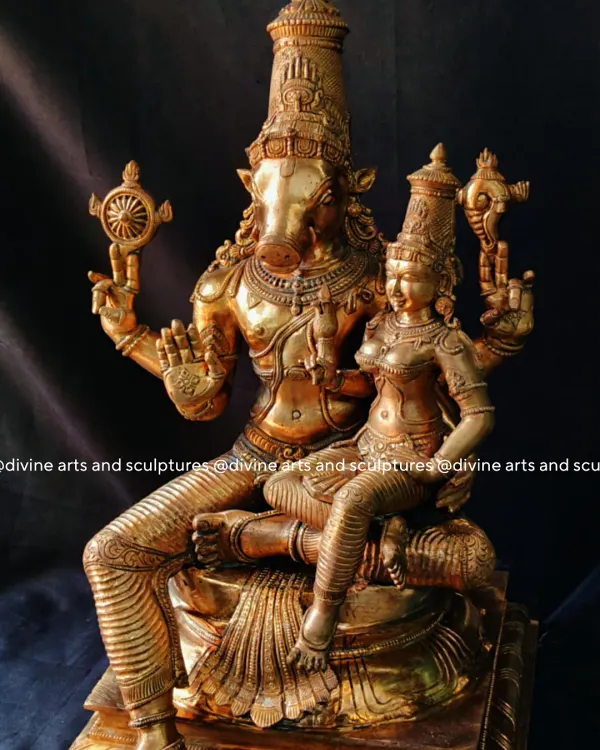
Handcrafted Bronze Idols and Panchaloha Sculptures
A Peek Into My Handmade Art Process
The History and Hands Behind Channapatna Craft
 6
6
The Art of Custom Furniture Craftsmanship
 12
12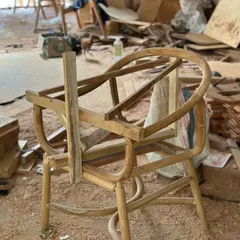
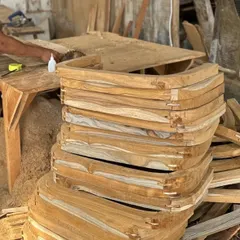
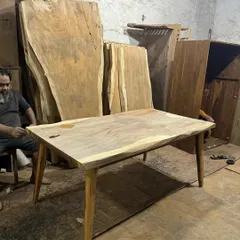
Behind the Scenes of Our Handcrafted Furniture
More from Handcrafted Wooden Sculptures & Idols by Sengottuvel
More services by Sengottuvel