Fun Electronics & 3D Printing Robotics Classes for Kids
Stop letting screen time go to waste. Here, kids get hands-on with circuits, 3D printers, and Arduino to build real working robots and gadgets from scratch.
This dancing OTTO robot is a student favorite. They get to 3D print the parts, assemble the robot, wire up the servo motors, and then code the dance moves using Arduino. It’s a complete design and engineering project.
We also use LEGO Mindstorm EV3 kits in our workshops. Here you can see a robotic arm a student built and programmed to move based on code. It’s a great way to learn about mechanical movements and motors.
Learning electronics starts here, with a simple breadboard and some wires. I guide the kids as they build their first circuits, like making an LED light up. It’s a very hands-on process where they learn by doing.
About Fun with Electronics & 3D Printing
We don’t just teach theory; we teach kids to troubleshoot. When a circuit doesn't light up or a 3D printed part doesn't fit, that’s when the real learning happens. We guide them through the fix—checking connections or adjusting the code—so they finish the session with a working gadget they built themselves.
Building Gadgets, Not Just Code
Learning electronics shouldn't be about reading textbooks. In our Pitampura lab, we focus on the 'Build, Break, Repeat' cycle. Whether your child is working with a breadboard to light up an LED or 3D printing a custom part for a robot chassis, they are always active.
Why Our Approach Works
- Hardware Mastery: Kids get direct access to Arduino boards, sensors, and actuators. They don't just simulate circuits; they build them.
- 3D Printing Realities: We move from design to physical object. Students learn the basics of CAD software and see their keychains or robot frames come to life on the printer.
- Troubleshooting: The biggest skill is fixing a loose wire or a library error. We encourage students to ask 'Why isn't this working?' and help them find the solution.
Who is this for?
This cluster is perfect for kids who are naturally curious about how things work. Whether they are beginners learning the basics of voltage and current or advanced students integrating sensors, our sessions are designed to be flexible. We provide all the tools, from breadboards to filament for the printers, so you don't need to worry about purchasing expensive starter kits before getting started. It’s about building confidence, one circuit at a time.
Similar work from other experts
Browse through Curated picks from other experts on mytribe
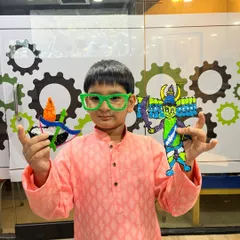
Hands-on 3D Art and Electronics Workshops
Robotics Fun, Games and Creative Tech Projects
Robotics and STEM Workshops for Kids in Noida
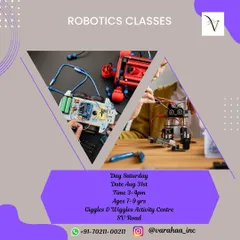
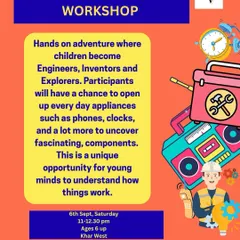

Robotics & Engineering Workshops for Kids in Mumbai
Build Your Own Robots and Gadgets
LEGO Robotics & Engineering Workshops for Kids
More from Robotics & Electronics Workshops by Robotics Cafes
More services by Robotics Cafes