Robotics Fun, Games and Creative Tech Projects
See how kids turn simple ideas into functioning robots, games, and gadgets. Using real tools, real physics, and zero boring lectures.
Sharwin's Archery Bot is precision engineering in action. From coding the perfect angle to hitting the bullseye, he shows how robotics can combine logic and fun.
Meet Prishaksh’s Ball Shooter Bot, where creativity meets precision. This bot can aim, shoot, and score like a pro, turning a fun idea into an impressive invention.
This reel showcases the fun side of robotics with Aayesha and Mitansh's Archery Bot and Ansh's Pulley System. These little makers prove the future of engineering is already here.
Onish turned curiosity into creativity with this Brain Game. Using an Arduino, LEDs, and a buzzer, he built an addictive game that tests logic and knowledge.
Pratibha shows off her Archery Bot's fearless aim. With one perfect shot, she brought down a pyramid of cups, demonstrating focus, precision, and confidence.
This Archery Bot, built by one of my young innovators, is a great example of robotics meeting precision. Every arrow shot is a lesson in focus, logic, and creativity.
This reel showcases a variety of fun builds, including a ball shooter bot, pulley systems, trikes, and dumpers. Every project is a step toward building confidence and curiosity.
This remote-controlled Paper Crumpler is a fun automation project. It shows how even simple tasks can be made more interesting with gears and wireless control.
Hreedhan's Paper Robot is a work of art in motion. This bot draws stunning patterns, proving that when young minds dream big, even paper can become powerful.
Parth reloaded the classic Snake Game, building it from scratch with a Maker Board and LED Matrix. It's a great example of engineering in action, not just gaming.
About Fun, Games & Creative Tech
My students do not just play with pre-made toys. They build these games and gadgets from the ground up using gears, motors, and code. When a child builds a working Archery Bot or a custom game controller, they learn engineering logic and problem-solving skills far faster than a textbook allows.
Building Games, Not Just Playing Them
Kids have an incredible ability to create when given the right tools. Instead of consuming digital entertainment, my students build it. We use Arduino microcontrollers and maker boards to create custom hardware, such as the snake game controllers and logic-based brain games you see in this gallery. This requires an understanding of basic coding, LED matrix displays, and circuit logic.
The Engineering Behind the Fun
The projects in this cluster go beyond simple aesthetics. Whether it is an Archery Bot that calculates precision or a mechanical ball shooter, every build forces students to engage with core physics. They learn about torque, structural stability, and gear ratios by physically handling metal plates, fasteners, and DC motors. If a gear slips or the code does not trigger the servo, they do not just replace the part. They troubleshoot the alignment, fix the syntax error, and try again.
Why This Matters for STEM Learning
Most kids encounter robotics through snap-fit plastic kits. My approach is different. By using industrial-style components and requiring them to use Allen keys and spanners, we improve their fine motor skills and spatial awareness. This environment, based in my Pitampura studio, encourages students to treat mistakes as data. When they say that they made this themselves, they are not just referring to a robot. They are talking about the process of failing, debugging, and finally succeeding.
Similar work from other experts
Browse through Curated picks from other experts on mytribe
Robotics Projects & STEM Student Creations
 7
7
Robotics Competitions and Coding Games for Kids
Hands-On Robotics and Coding Projects
 5
5
Student Robotics Projects and Coding Innovations
 7
7
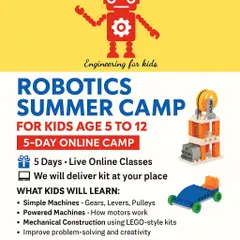
Featured STEAM Learning Highlights
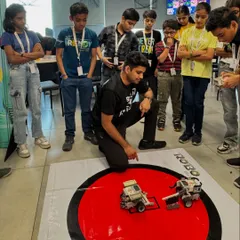
Hands-on Robotics and Coding Programs for All Ages
More from Robotics & Electronics by Be A Robonaut
More services by Be A Robonaut