Understanding Core Coding Concepts & Logic
Coding is far more than just syntax and typing. It is the art of breaking down big problems into small, logical steps. Whether your child is starting with visual blocks or transitioning to Python, understanding these fundamentals is the key to building anything they can imagine.
This is the first part of our series on the most in-demand programming languages. We analyze current and future trends to help aspiring coders make informed decisions about which languages to master.
An overview of Python, a user-friendly and powerful language. We explain why it's a top choice for everything from data analysis to software engineering and list potential career paths for Python experts.
This graphic explains the benefits of learning JavaScript, the language of the web. It's essential for both frontend and backend development and opens up careers in web, mobile, and game development.
Part two of our series on in-demand programming languages. This collection helps you choose a language based on your goals, ensuring you are leading the game, not just playing it.
Here we cover HTML, the foundational language for creating web pages. It's simple to understand and essential for organizing content like text and images on the internet.
This post explains why CSS is a crucial skill for web developers. It's used to style websites and create a great user experience, opening doors to careers in UX design and front-end development.
The final part of our series on in-demand programming languages. This section covers languages like Java, Go, and TypeScript, providing insights into their use cases and career options.
A look at Java, a powerful, open-source language used by major companies like Google, Netflix, and Amazon. We outline its benefits and the career options it enables, such as cybersecurity and data science.
An introduction to our series on the fundamental coding skills needed to succeed in tech. This collection breaks down the specific skills required for different career paths.
This graphic shows the specific programming languages, like Python and C++, that are essential for careers as a Software Engineer or Data Scientist. It helps students focus their learning on their desired goals.
About Learn the Lingo: Coding Tips & Concepts
Before a student writes their first line of code, I insist on flowcharting. Many parents assume coding is just about the screen, but it is really about the mental architecture behind the project. By drawing out the logic of a game or an app first, your child learns to identify bugs before they even happen. This habit of thinking creates a foundation that helps them succeed in any subject, not just computer science.
Building a Digital Foundation
When we teach coding, we don't start with complex syntax. We start with concepts. If a student can understand what a variable is—a container for information—then switching from Scratch blocks to Python text becomes a smooth transition rather than a daunting leap.
We focus on these core pillars:
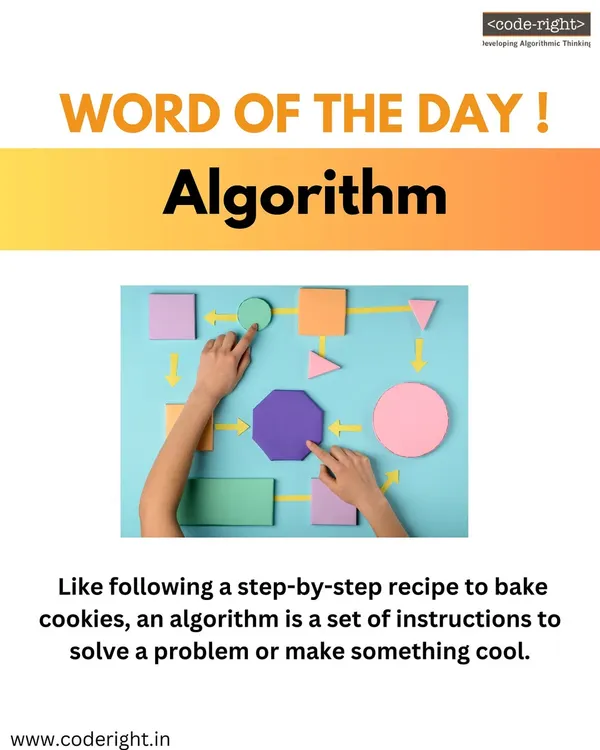
- Logic and Algorithms: Learning to sequence tasks logically, much like following a recipe.
- Debugging: Understanding that an error is not a failure, but a clue. We teach kids to read their code like a detective.
- Documentation: We emphasize commenting and writing clean code so that others (and their future selves) can actually understand their work.
Why This Matters for Your Child
Our goal isn't just to make kids "tech-savvy." It is to give them a toolkit for problem-solving. When a child learns how to loop a function or structure an HTML element, they are learning how to organize their thoughts. We have seen students go from nervous beginners to confident creators who build their own interactive stories, websites, and even AI-based simulations.
From Concepts to Career Skills
As students progress, these concepts naturally evolve into professional skills. We take them from foundational Scratch projects to Python scripts and web development basics. By the time they are exploring AI mentorship or preparing for hackathons, they aren't just memorizing code. They are using their deep understanding of programming logic to solve real-world problems, from building apps for social impact to creating tools that assist with daily tasks.
Similar work from other experts
Browse through Curated picks from other experts on mytribe
 17
17
Coding Concepts Explained for Kids
Coding and Python Classes for Kids in Mumbai
 21
21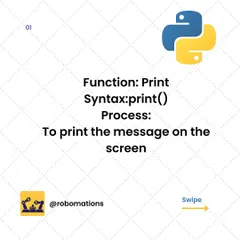
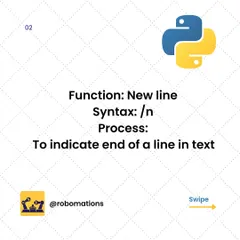
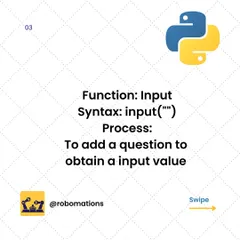
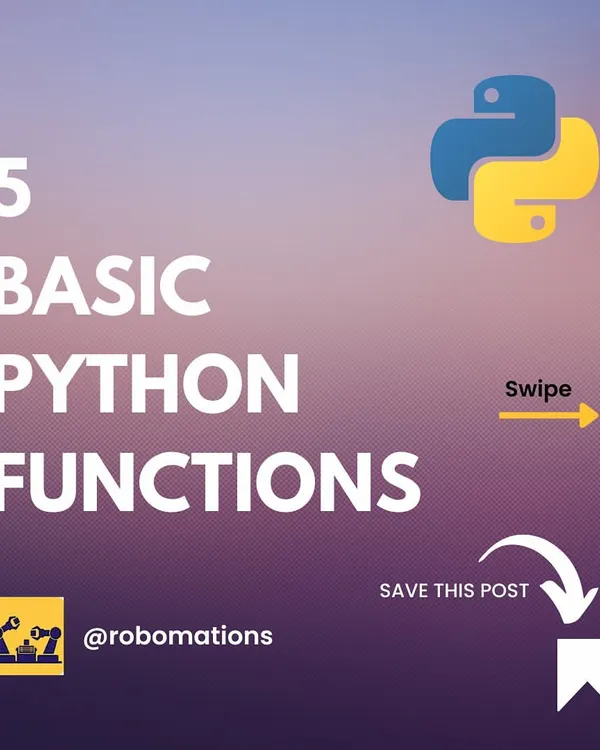
Python Quick Guides for Aspiring Coders
 23
23
Core Concepts in Coding, Robotics, and AI
Core Programming and Coding Courses for Kids
 5
5
Coding Classes for Kids: Start Your Coding Journey
More from Coding & Tech Programs for Kids (Ages 6-18) by Code Minors
More services by Code Minors