Legal Solutions for Financial Disputes & Money Recovery
Stuck with unpaid dues or a cheque bounce issue? Learn how to navigate recovery laws effectively and protect your financial interests without endless court rounds.
If someone owes you money and isn't returning it, you need proof to take legal action. I explain how a simple text message demanding your money can be used as electronic evidence in court under the Indian Evidence Act to file a recovery suit.
Issuing a blank signed cheque is very risky. Under the Negotiable Instruments Act, the court presumes it was given for a legally enforceable debt. If it bounces, you could face jail time, and the liability to pay the debt still remains.
For businesses struggling to recover payments from customers, filing a criminal case is not always the answer. I explain the faster and more effective process of filing a summary suit for recovery under Order 37, which gives the other party only 10 days to prove their case.
In a cheque bounce case, sending the legal notice within 30 days of the bounce is critical. If you miss this deadline, you cannot file a criminal case under Section 138. I explain this crucial timeline and the consequences of delaying action.
When you lend money to friends or family without a cheque or agreement, recovery becomes difficult. I explain the process of filing a civil suit for recovery and how, upon settlement, you can even get your court fees refunded.
What happens if a person who issued a cheque dies before you can file a case? You cannot file a criminal complaint against a deceased person. However, you can still file a civil recovery suit against their legal heirs to recover your money.
About Financial Disputes & Money Recovery
If you are trying to recover money from a business or personal contact, stop relying on verbal promises alone. Courts prioritize verifiable evidence over intent. Whether it is an unpaid invoice or a personal loan, I always advise clients to build a solid digital trail—emails, WhatsApp messages, or a formal demand text—before jumping into a legal notice. Often, a well-drafted legal notice under the right section of the law is enough to trigger a settlement, saving you months of unnecessary court time.
Understanding Your Recovery Options
Many people make the mistake of waiting too long to act. In financial disputes, time is not just money; it is the difference between a winning case and a dismissed one. Whether you are dealing with a cheque bounce or a simple unpaid business invoice, the legal strategy differs significantly.
The Cheque Bounce Reality (Section 138)
If you have received a cheque that has bounced, you have a very specific timeline. Under the Negotiable Instruments Act, you must send a legal notice within 30 days of the bounce. If you miss this, you lose the right to file a criminal complaint. People often get misled or wait for the defaulter to pay up, losing their window of opportunity. Remember, a criminal case under Section 138 not only pressures the debtor to pay but can also lead to penalties that are double the cheque amount.
Business Recovery & Order 37
For businesses dealing with non-paying customers, filing a long-drawn-out civil suit is often inefficient. I frequently guide clients to file a summary suit under Order 37 of the CPC. This process is faster because it limits the defendant's right to defend themselves to just 10 days unless they prove a substantial case. It puts the onus on them to act, rather than you waiting years for a verdict.
The Power of Electronic Evidence
People change, but their digital footprint does not. If you don't have a formal contract, your WhatsApp chats, email threads, and call recordings are vital. Under Section 65B of the Indian Evidence Act, these can be admitted in court if processed correctly. Never delete your chat history with a debtor; treat it like your primary ledger.
If you are confused about which route to take—civil or criminal—let’s look at your documents and build a roadmap. A clear strategy often resolves issues before they ever reach a courtroom.
Similar work from other experts
Browse through Curated picks from other experts on mytribe
 5
5
Legal Support for Cheque Bounce and Money Recovery
Practical Legal Help for Money Recovery and Financial Disputes
Legal Strategy for Cheque Bounce & Financial Disputes
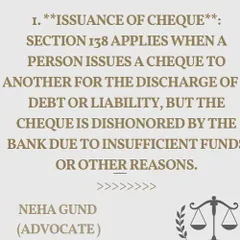
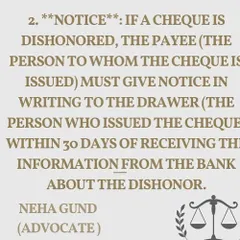
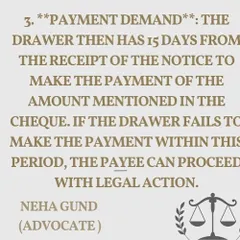
Cheque Bounce Recovery: Legal Steps & Defense
 4
4


Financial Dispute Resolution Services in Delhi NCR
Cheque Bounce: A Practical Legal Guide
More from Criminal Law by Ravi S. Gupta
More services by Ravi S. Gupta