Dealing with the Police: Know Your Rights
Knowing how to react when the police knock is the most important legal skill you can have. I provide clear, actionable advice to help you navigate FIRs, station visits, and summons without unnecessary panic.
Custodial violence is a harsh reality, despite the Supreme Court's clear judgments against it. I discuss the systemic issues and what your legal options are if you face harassment in police custody. Your safety is protected by law, even during interrogation.
Agar police aapse badtameezi ya maar-peet kare, toh unse behes na karein. The smart move is to discreetly record the incident as evidence. I explain how to use this video recording to file a complaint with senior officers or the court to get the accused officer suspended or fined.
The court has made it clear: no law stops a citizen from recording a video inside a police station, especially if an illegality is happening. This video of a judge questioning the police reinforces your right to transparency and to gather evidence against misconduct.
Many people ask if they can hit back at a police officer in self defense. While the law provides for self defense, the practical reality is different. I explain why hitting back can lead to multiple false cases against you and what you should do instead to protect yourself.
Agar aapke against FIR register ho gayi hai aur police copy nahi de rahi, you have options. FIRs are public documents. I explain how you can download the FIR copy from the police portal or use an RTI application to obtain it officially.
Police might call you to the station to "cancel" a warrant, but this is often a trick to arrest you without effort. A warrant can only be canceled by the court that issued it. I explain the correct procedure for filing a warrant cancellation application in court.
Agar police aapko thappad maare toh kya karna chahiye? The first step is to call 100 to create a record, followed by a written complaint. If no action is taken, you can file an application under Section 156(3) CrPC in the magistrate's court to initiate an inquiry.
When called to a police station, be cautious about your mobile phone. Police may ask for your phone and can clone all your data within minutes. I advise on how to handle this situation to protect your personal information during an investigation.
It's a common problem: you file an FIR, but the police take no action. If your investigation is stalled, you can move an application in the concerned court. The court can then summon the Investigating Officer (IO) and direct them to expedite the investigation and file a chargesheet.
If you receive a call or a 41A CrPC notice from the police, it's important to know what to do. I explain how to assess the situation, when to join the investigation, and when it is crucial to file for anticipatory bail before appearing at the police station.
About Dealing with the Police: Know Your Rights
If you are ever summoned to a police station, be extremely careful with your mobile phone. Police officers may ask to check it, but handing over an unlocked device can lead to your data being cloned in minutes. Always have a strategy in place before you step foot inside a station.
Law vs. Ground Reality
Dealing with the police can be intimidating, but the law provides you with specific protections. My goal is to move you away from fear and into action by understanding your rights.
Critical Steps for Police Interactions
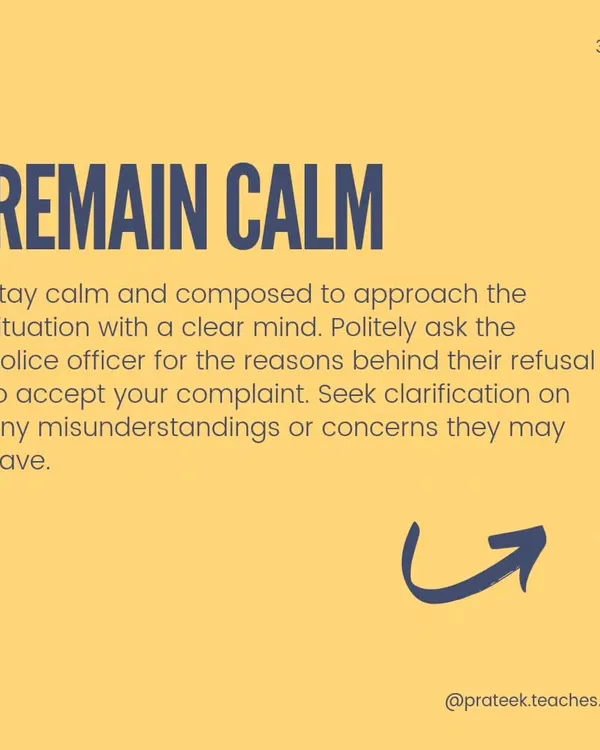
- Summons and 41A Notices: If you receive a call or a 41A notice, do not rush to the station blindly. Ask for the FIR content first. If the allegations are serious, consult a lawyer to file for anticipatory bail before joining the investigation.
- FIR Copies: If you cannot get a copy of the FIR at the station, you have the right to download it from the state police portal or file an RTI application. It is a public document.
- Station Visits: If the police pressure you to 'settle' or 'complete formalities' regarding a warrant, be cautious. Only the court that issued the warrant can cancel it. Going to the station often leads to an arrest you were trying to avoid.
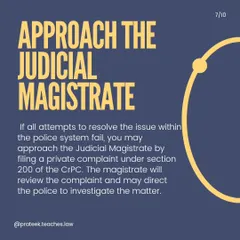
- Stalled Investigations: If you have filed an FIR but the police are doing nothing, you can file an application under Section 156(3) of the CrPC in the magistrate's court to force an inquiry.
Your Right to Record
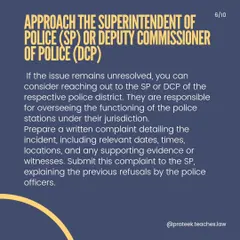
It is a common myth that you cannot record in a police station. While you should avoid confrontation, recording evidence of misconduct is your right and a crucial form of proof. If you face physical harassment, do not fight back physically as this gives them grounds to file multiple false cases against you. Instead, document everything and approach senior officers or the court for a remedy.
Similar work from other experts
Browse through Curated picks from other experts on mytribe
Know Your Legal Rights During Police Interaction
Dealing with the Police: Know Your Legal Rights
Your Rights When Dealing with the Police
 7
7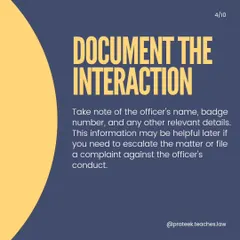
Navigating Police Interactions and Legal Rights
Police Station se Darte Ho? Know Your FIR Rights
Police FIR Rights and Legal Protection Guide
More from Criminal Law by Ravi S. Gupta
More services by Ravi S. Gupta