Commercial Architectural Design
Available across India
Pricing Guide
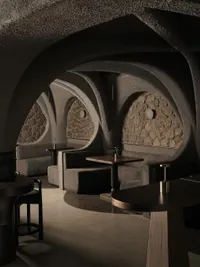
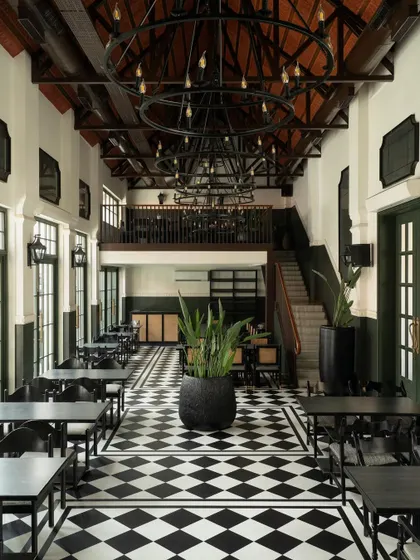
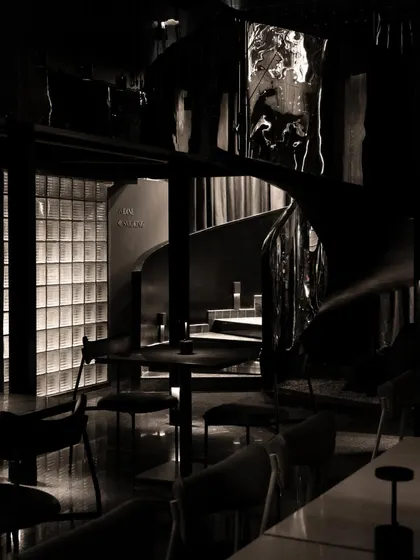
High-End F&B & Hospitality Interior Design
Phase 1: Spatial Narrative & Concept
- Brand Identity Translation: Converting brand ethos into a physical spatial narrative.
- Layout Strategy: Zoning for visibility vs privacy, kitchen workflow integration, and circulation planning.
- Hyper-Realistic 3D Visualization: Magazine-quality renders showing exact lighting conditions, textures, and atmospheric depth.
Phase 2: Technical Detailing
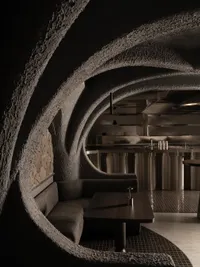
- Complex Joinery Details: Detailed AutoCAD drawings for curved partitions, fluted columns, and non-standard architectural elements.
- Material Palette Curation: Selection of signature materials like lime plaster, cast-in-situ terrazzo, and cane weaving.
- Custom Furniture Design: Designing banquettes, bar counters, and statement chairs rather than sourcing off the shelf.
- Lighting Design Layout: Choreography of light plan specifying color temperatures, beam angles, and custom fixture drawings.
Phase 3: Execution Support
- Aesthetic Supervision: Periodic site visits (6 to 10) to ensure the contractor achieves precise alignment of geometric elements.
- Vendor Coordination: Coordinating with artisans for stone carving, metalwork, or plastering.
- Snag List: Final walk-through to identify finish imperfections before handover.
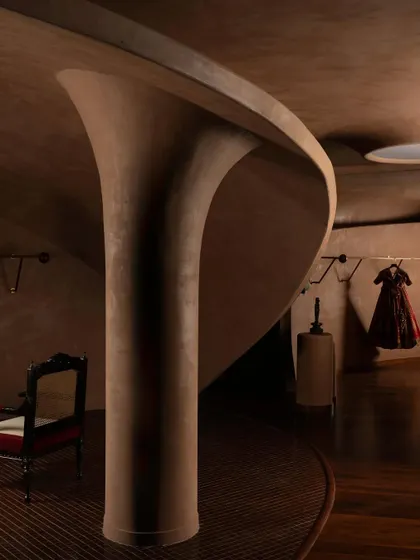
Flagship Retail & Boutique Experience Design
Phase 1: Concept & Volume
- Customer Journey Mapping: Choreographing movement patterns to maximize product interaction.
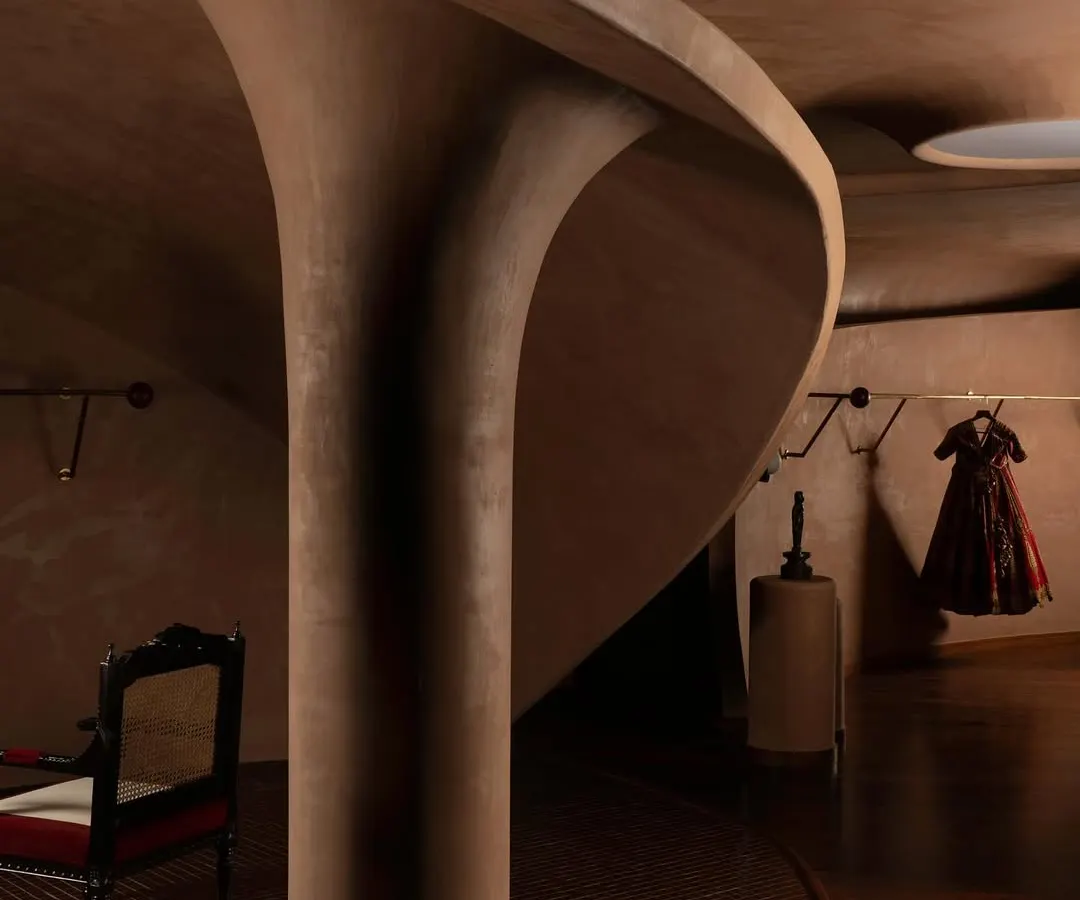
- Sculptural Volume Study: Designing organic enclosures or monolithic structures to break the typical retail grid.
- Facade & Storefront Design: Creating a high-impact visual hook for the exterior or mall frontage.
Phase 2: Bespoke Display Systems
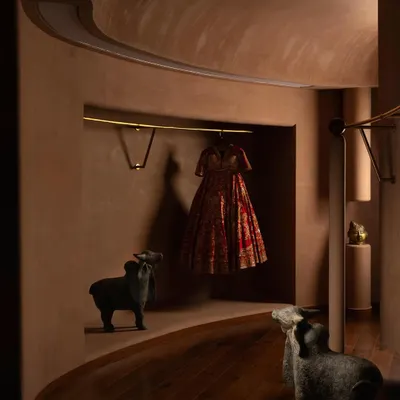
- Product Display Design: Detailed engineering of racks, shelving, and podiums using brass, stone, or bent wood.
- Fitting Room Experience: Designing trial rooms as luxury sanctums with flattering lighting and premium acoustics.
- Reflected Ceiling Plan: Elaborate ceiling designs to hide services and create volume.
Phase 3: Technical Integration
- HVAC Integration: Concealing AC ducts within the design narrative to maintain visual flow.
- Security & Tech Integration: Hiding sensors, cameras, and POS systems within custom joinery.
- Material Specification Sheets: Exact codes for paints, fabrics, and metals to match brand colors.
Commercial Architecture & Façade Design
Phase 1: Form & Massing
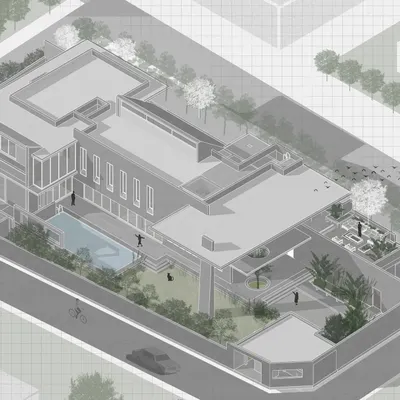
- Site Analysis: Climate responsive design strategy for sun path and wind direction to maximize passive cooling.
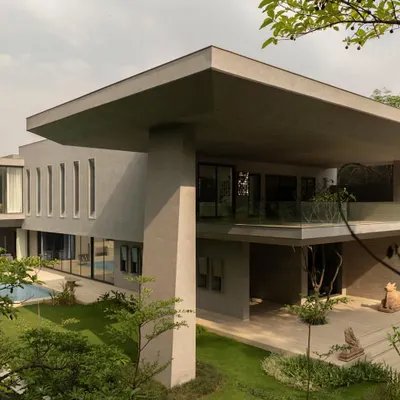
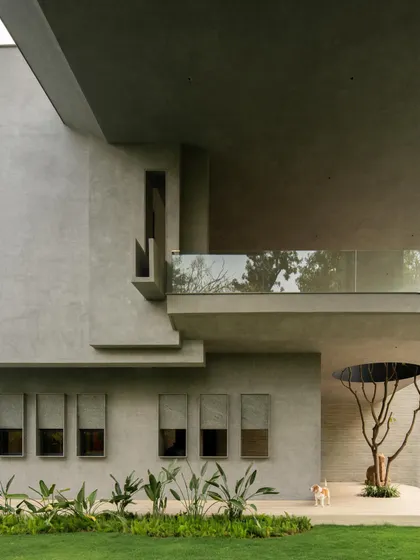
- Volumetric Design: Creation of building form focusing on brutalist or contextual modernist aesthetics like exposed concrete shells.
- Facade Detailing: Intricate design of the building skin including fenestration patterns and material layering.
Phase 2: Structural Coordination
- Structural Concept: Collaborating with engineers for cantilevered spaces, oblique columns, or large-span halls.
- Landscape Concept: Designing transition zones, courtyards, and habitable pods to merge indoor and outdoor spaces.
Phase 3: Statutory & GFC Drawings
- Municipal Submission Drawings: Preparation of drawings required for local authority approvals.
- Civil GFC Drawings: Detailed dimension plans, column centerline drawings, and foundation layouts.
- Drainage Integration: Aesthetic integration of functional utility elements like pipes and gutters.
About Commercial Architectural Design
How I Think About Commercial Spaces
For me, a commercial project is like telling a story through walls, light, and the vibe of a place. I don’t just draw up plans - I try to make the space feel like it belongs to the brand and the people who walk through it. Sometimes it’s all about balancing old-school charm with new ideas, or mixing what’s showy with what’s subtle. If a design sticks in your memory, I’ve done my job.
What I Like Making
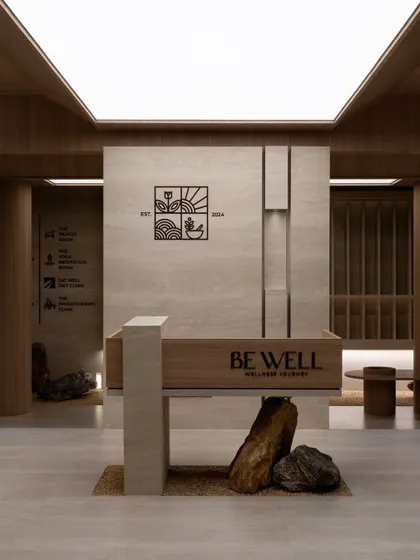
I’ve worked on all sorts of commercial spots across India, from lively cafes in Delhi to retail stores that feel more like galleries than shopping stops. Wellness centers and public spaces get a lot of love from me too - I’m always looking for ways to bring in nature or a sense of calm. Hospitality space branding is one of my favorite challenges, because every place needs its own mood.
Design Style & Materials
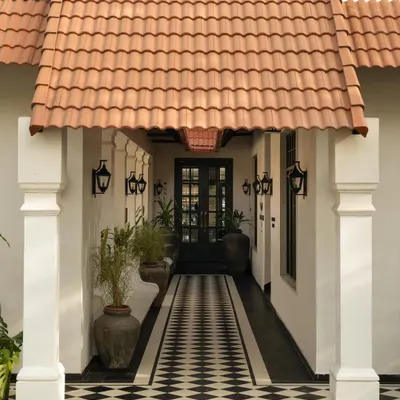
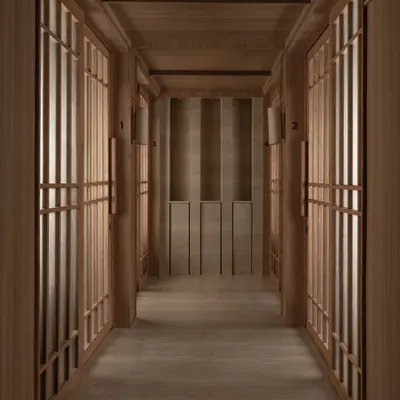
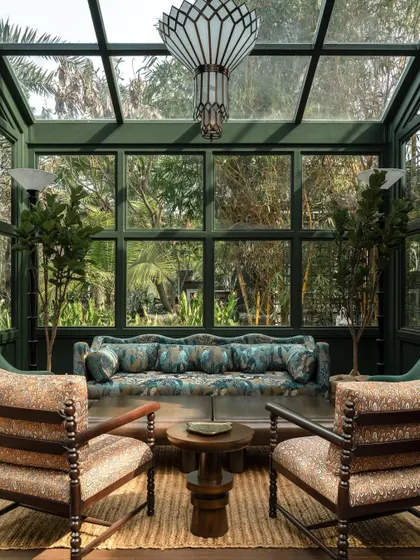
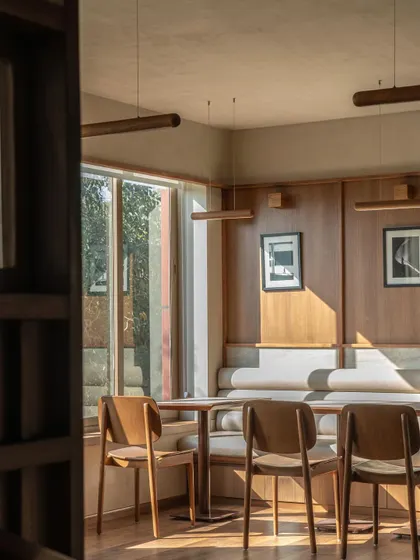
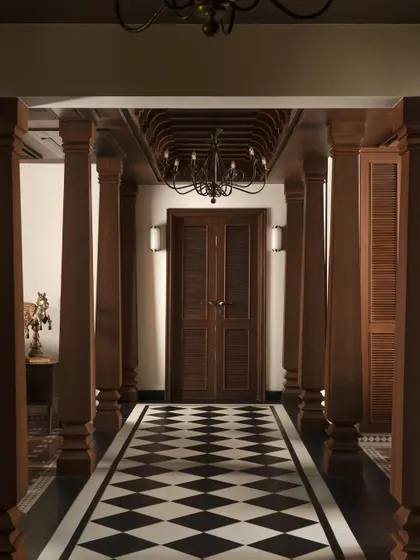
My style jumps between contextual modernism in workspace and more thematic, immersive setups. Sometimes I’ll bring in colonial touches but tweak them for today, or blend Japanese and Scandinavian looks for something chill. Materials matter a lot - I use raw concrete (great for that gutsy vibe), loads of wood and rattan for warmth, lime plaster and stone for texture, and shiny metals to add a bit of fancy.
Old Spaces, New Life
I’m big on adaptive reuse in commercial design. If I find an old building, I’ll figure out how to breathe new life into it, whether it’s keeping the bones but flipping the look, or salvaging materials to make something totally fresh and green.
Across India
My studio’s based in Delhi, but I design for projects all over. Every place gets its own spin, depending on the city’s feel and what the brand is all about.
Meet your Expert
Renesa
809 connects in last 3 months
My Story
We’re RENESĀ, Delhi-based architecture and design studio. Always hunting for that spark between old soul and new vibe. For us, a space isn’t just walls, it’s a living, breathing memory. Whether it’s colonial charm or a Thai twist meeting Indian roots, we’re about those subtle whispers between eras. Forbes India put us on their '30 under 45' list, but honestly, what matters is if our work sticks in your mind, long after you’ve walked out.
My Work
Architecture, Interiors & Branding - We handle all things architecture, interior design, and branding—full-service, start to finish.
Unique Design Language - No trends here. Every project gets its own vibe, blending context with contemporary clarity, sometimes colonial-inspired interiors.
Immersive Sensory Spaces - We mix materials like natural stone and rattan, play with light and shadow, creating layered, tactile experiences.
Collaborative Process - It’s always teamwork—clients, artists, lighting folks, furniture designers. Every space becomes a curated scene, not just a room.