Learning through play and joyful activities
We believe education is an adventure. Our play-based methods turn science experiments, riddles, and creative tasks into memories that stick.
A teacher demonstrates the concept of floating and sinking with various objects. Our hands-on science activities make complex concepts easy for young minds to grasp.
Our junior and senior Asters conduct their own float and sink experiments at home with their parents. This is a great way to extend learning beyond the classroom.
A proud student shows her worksheet where she has correctly sorted objects that float and sink. This reinforces the concepts learned during our science experiment.
This young scientist proudly displays his float and sink activity chart. We use worksheets to help solidify the practical knowledge gained from experiments.
A big thumbs up for science! This camper is excited about his float and sink experiment results, a fun introduction to the concept of density.
This smiling student shows his completed chart, correctly identifying objects that float and sink. These activities build critical thinking and observation skills.
A young girl holds up her float and sink worksheet. We use a mix of hands-on experiments and follow-up activities to ensure concepts are well understood.
A little fun with puns and riddles during our abacus class. We believe in breaking up study sessions with laughter to keep learning enjoyable.
Our little Asters perform a delightful Kannada rhyme together. Learning regional languages through songs and rhymes helps with memory and cultural connection.
A proud student holds up his seasons-themed craft. Our junior and senior Asters learn about the different seasons through creative coloring projects.
About Fun with Learning
Instead of relying on textbooks, we use hands-on science experiments like our 'Float and Sink' demonstrations to explain physics. Watching a child's face light up when they test whether a stone or a leaf stays afloat is how we turn abstract concepts into real-world understanding, making science feel like a discovery rather than a lesson.
Our 'Multiple Intelligence' curriculum is designed for the way children actually learn: through curiosity, movement, and play. At our Sanjayanagara center, we balance academic foundations like Vedic Maths and Abacus with creative outlets such as dance, Zumba, and storytelling. We know that a child who enjoys the process is a child who retains the knowledge.
We break up our study sessions with our signature 'PunFun' riddles to keep the atmosphere light and engaging. Whether it is improving handwriting, practicing Kannada and Hindi through rhymes, or conducting experiments with household items, our goal is to keep the energy high. We keep our teacher-student ratios low to ensure that every child gets the personal attention they need to grow at their own pace.
Similar work from other experts
Browse through Curated picks from other experts on mytribe
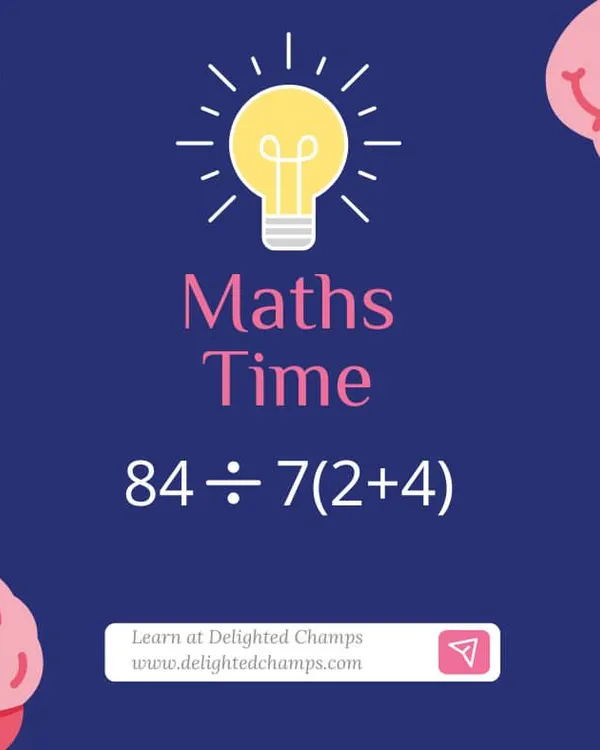
Fun Learning Activities for Math & Brain Development
 10
10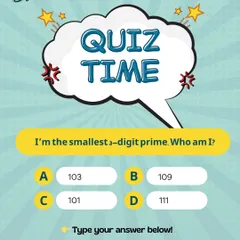
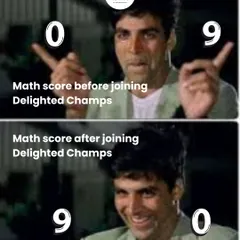
Fun Brain Boosters: Turning Math Challenges into Play
 20
20
Learning Through Play: Beyond ABCs
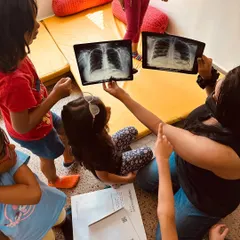
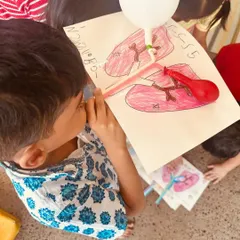
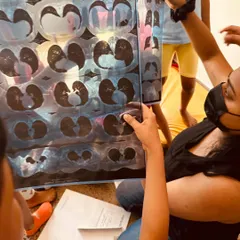
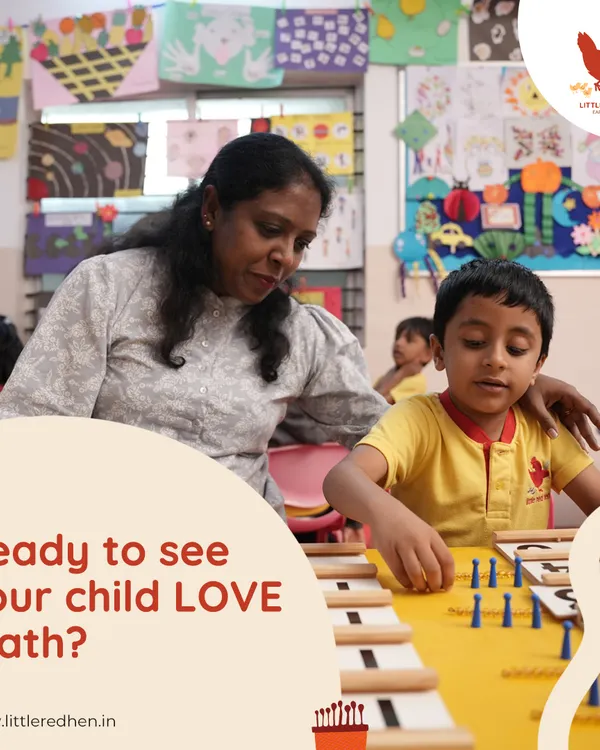
Play-Based Classroom Learning in Action
Fun & Skill-Building Summer Camps for Kids
 7
7
Fun & Engaging Learning Methods in Dwarka
More from Summer Camp by Purple Asters
More services by Purple Asters