Fun Learning Activities for Math & Brain Development
Kids learn best when they are moving, laughing, and competing. These games are not just breaks; they are tools I use to sharpen memory, reaction time, and logical thinking without the pressure of a traditional classroom.
Activity time is always a hit! Here, students are in a race to collect and stack cups. This game is fantastic for improving motor skills, speed, and strategic thinking, all while having a great time.
Who is quicker? This color-grabbing game tests the students' reflexes and ability to follow instructions quickly. It’s a simple, high-energy activity that gets everyone excited and engaged.
A little bit of bowling fun in the classroom. Activities like these are great for a mental break and help in developing hand-eye coordination and focus in a playful setting.
A friendly race between two girls. These simple cup-stacking games are more than just fun; they are designed to improve speed, agility, and the ability to perform tasks under pressure.
Fun time at the academy! This bottle-sorting game requires quick thinking and coordination. I use these activities to break the monotony and teach valuable skills in a way that doesn't feel like learning.
About Masti Wala Learning: Fun & Games
When you see kids racing to stack cups or grabbing colors, it looks like simple play. But watch closely, and you will see them calculating outcomes and managing their movements under time pressure. I use these activities to build the reflex speeds that eventually make mental math calculations effortless. It is how I ensure a child never says math is boring.
Many parents ask me why we spend time on games when there is so much syllabus to cover. The answer is simple: a bored brain does not retain information. By introducing activities like cup stacking, bowling, and reflex-based color games, I help students develop motor skills and focus that carry directly into their abacus and Vedic math sessions.
The Science of Masti Wala Learning
When a child is engaged in a friendly race to finish a set of calculations or stack cups, their stress levels drop and their engagement peaks. In my Jaipur and Bharuch centers, we replace rote memorization with these high-energy drills. This training helps in several key areas:
- Reaction Speed: Quick thinking translates to faster mental calculations.
- Hand-Eye Coordination: Essential for manipulating abacus beads with precision.
- Stress Management: Learning to stay calm during a timed competition builds confidence for school exams and Mathopedia championships.
Is This Right for Your Child?
If your child finds numbers intimidating or struggles to sit through hour-long lectures, this approach changes the dynamic. We treat math as a sport rather than a subject. Whether it is our junior abacus program or advanced Vedic math levels, the goal is always to keep them curious. You will notice the difference in their concentration at home within a few weeks.
Similar work from other experts
Browse through Curated picks from other experts on mytribe
 10
10
Fun Brain Boosters: Turning Math Challenges into Play
Mastering Math: Fun and Fast Learning
 22
22Building Confidence Through Fun Learning
Padhai Bhi, Masti Bhi: Fun Math Games for Kids in Shamli
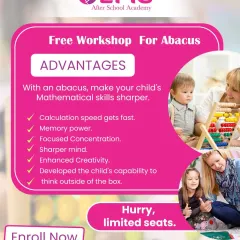
Abacus and Mental Math Classes for Kids
Brain-Boosting Challenges: Master Mental Math and Speed Calculation
More from After-School Enrichment Programs for Kids by Abacus D Maths Academy
More services by Abacus D Maths Academy