Expert Guidance on India's New Criminal Laws
I don't just interpret the Bhartiya Nyaya Sanhita (BNS); I train the officials who implement it. Get a defense strategy that is fully updated for the latest legislative changes.
The Bhartiya Nyaya Sanhita (BNS) introduces significant changes, including new definitions for "child" and "transgender," and recognizing electronic records as documents. It also adds new offenses like organized crime, mob lynching, and snatching, and introduces community service as a form of punishment.
Under the new criminal laws, the attempt to commit suicide is no longer a crime, aligning with the Mental Health Care Act. However, abetment to suicide remains a punishable offense, and attempting suicide to obstruct a public servant is still a crime under Section 226 of the BNS.
The new laws bring important changes to medico-legal cases. For instance, under Section 176 of the BNSS, a rape victim's statement must be recorded using audio-video means to ensure its credibility. Additionally, medical reports must now be sent to the investigating officer within seven days.
Teaching the Bhartiya Nyaya Sanhita at the Institute of Constitutional and Parliamentary Studies is always a learning opportunity. It allows me to delve deep into the new laws and share that knowledge with officials who will be implementing them.
Another session training officials from various ministries and legislative assemblies on the new criminal laws at the Parliament Library. It is an enriching experience to lecture alongside respected legal figures and contribute to the understanding of these new legislations.
Addressing officials from central and state ministries at a training program on legislative drafting for the new Penal Acts. It is a privilege to teach and share my knowledge on these new laws, as it is also a continuous process of learning for me.
Lecturing at a training program on the newly enacted criminal laws for government officers at the Parliament Library. It is an honor to be part of this series, helping to disseminate knowledge about the BNS and its implications.
I was invited as a speaker at a training program on the newly enacted criminal laws for officials from various ministries and state assemblies. I addressed the new offenses under the Bhartiya Nyaya Sanhita and the consolidation of provisions from the old IPC.
A collection of my law books, including the new pocket-sized criminal codes. Staying updated with the latest publications from EBC and other legal publishers is essential for my practice, especially with the implementation of the new laws.
About Expert on India's New Criminal Laws
I don't just read the new Bhartiya Nyaya Sanhita (BNS) from a book; I stand before police officers and government officials to train them on how these laws apply on the ground. When you come to me, you aren't getting a generic defense strategy. You are getting an approach that integrates the latest legislative changes—including new definitions for offences and updated procedural requirements—to build a defense that is actually relevant to the current system.
The legal landscape in India has shifted significantly with the implementation of the BNS, BNSS, and the Evidence Act. Many people try to apply old IPC logic to these new codes, which is a dangerous mistake. My work involves constant, active engagement with these laws—not just in the courtroom, but in lecture halls where I train the very officials responsible for enforcing them.
What changes mean for your case:
- Electronic Records as Evidence: Under the new laws, electronic records are now explicitly part of the definition of documents. If your case involves digital trails, chats, or emails, the strategy for handling this evidence has changed.
- Procedural Transparency: Changes in medico-legal cases, particularly concerning rape victim statements, now mandate audio-video recording to ensure evidence integrity. I monitor these procedural shifts closely to identify if the police have followed the correct protocol.
- Community Service: For certain petty offences, community service is now a punishment. This is a vital change to be aware of if we are looking to mitigate sentencing or avoid the overcrowding of jails.
Asal mein, the law is only as strong as the person applying it. If your lawyer is not up to speed on these new provisions, you are at a disadvantage from day one. Whether we are discussing bail, anticipatory bail, or a complex white-collar defense, I bring this updated knowledge to your file. We will look at your FIR or charge sheet through the lens of the current law, ensuring we don't waste time on arguments that no longer hold water. If you are worried about how these new codes impact your specific situation, let's look at the facts together and build a plan.
Similar work from other experts
Browse through Curated picks from other experts on mytribe
Understanding the New Criminal Laws (BNS, BNSS, BSA)


Training Law Enforcement on New Criminal Laws
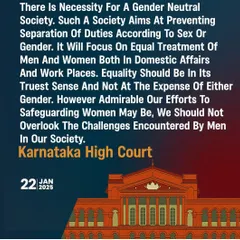
Legal Updates & Practical Commentary
Legal Training Workshops for Law Enforcement Officers
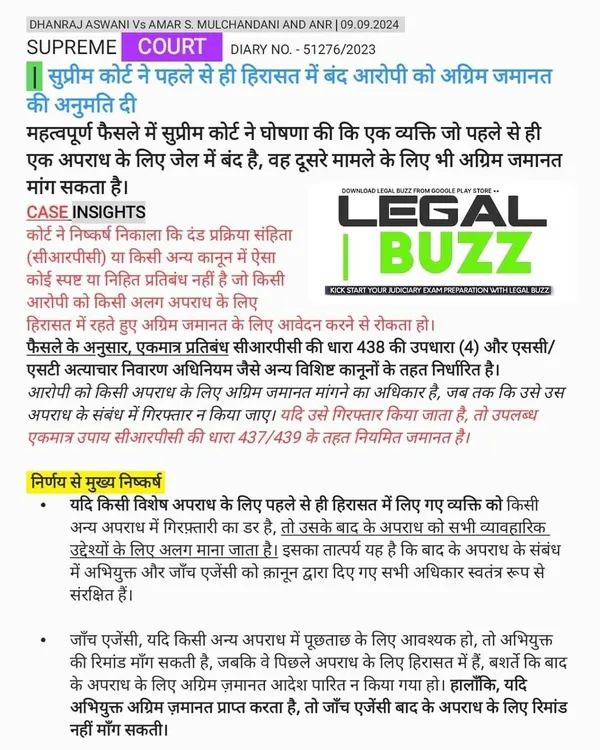 32
32

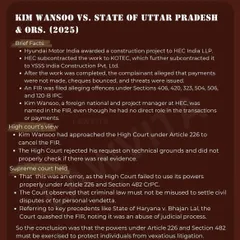
Criminal Law Defense & Bail Assistance in Delhi
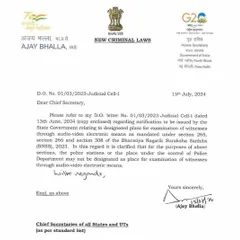


Legal Updates and Practical Commentary
More from Criminal Law by Prachi Pratap
More services by Prachi Pratap