Speak Smart: English Tips & Fun Idioms
Stop translating and start thinking in English. My bite-sized tips and idiom lessons help students build the fluency that marks alone can’t teach.
Ever wonder why the 'k' in 'knife' is silent? English is a mixture of many languages, and its spelling often reflects history, not just pronunciation. In this video, I explain that silent letters aren't mistakes but clues to a word's origin.
Idioms can be funny when you take them literally! This video shows a fun classroom interaction where a student gets confused by idioms like "spill the beans" and "on cloud nine." It's a lighthearted way to learn what these common expressions really mean.
In part two of our funny idioms series, my student gets puzzled by expressions like "under the weather" and "hit the books." These skits are a memorable and entertaining way for children to learn and remember figurative language.
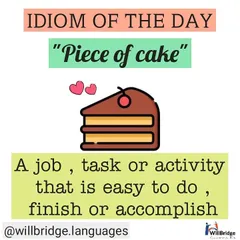
Our funny idioms series continues! This time, a student learns the meaning of "break a leg" and "a piece of cake." Watching these playful interactions helps make learning idioms much easier and more enjoyable than just memorizing a list.
This week's idiom is "lend an ear." It doesn't mean literally giving someone your ear! I explain that this expression means to listen attentively and sympathetically. Using idioms correctly can make your English sound much more fluent.
Today's idiom is "cry one's eyes out." In this short video, I explain that this phrase means to cry a lot for a long time. Learning idioms helps students understand and use English in a more expressive and natural way.
Are you making the common "myself" mistake in English? Saying "I myself went to the market" is incorrect. In this video, I explain the right way to use reflexive pronouns like 'myself' for emphasis, helping you speak smarter.
How do you show excitement in your writing? With an exclamation mark! This simple punctuation mark can add energy and emotion to your sentences. I teach my students how to use punctuation to make their writing come alive.
Instead of saying "I am very scared," try a stronger, more expressive word like "I'm terrified!" Small changes like this can make your English sound much more advanced and confident.
Want to sound smarter? Instead of "It's very clean," you can say "It's spotless!" Using more precise vocabulary is a key part of mastering the English language.
About Speak Smart: Quick Tips & Fun Idioms
Stop relying on basic words like 'very' and start using precise, expressive vocabulary. I don't just teach the meaning of idioms; I show kids how to use them to think in English instead of translating mentally. This is exactly how we fix that hesitation when a child's flow breaks mid-sentence, helping them speak with real confidence.
English is more than a list of rules. Many students get stuck because they try to translate from their mother tongue, which breaks their rhythm. In these sessions, we shift the focus to patterns and expression.
We tackle the 'very' habit head-on. Instead of saying 'very clean' or 'very happy,' we teach students to use precise words like 'spotless' and 'over the moon.' It changes how they are perceived and how they feel about their own communication.
Our idiom lessons are never about memorizing lists. We use skits and role-play to understand why 'lend an ear' doesn't mean giving someone your physical ear. By the time a student understands why we use these phrases, they aren't just reciting them; they are actually using them to communicate personality and emotion.
Whether you are based near our Kandivali centre or joining our online classroom, the goal remains the same: move past rote learning and help your child become a thoughtful speaker. We work with students from Junior KG to Grade 10 to ensure these smart language habits are built early and last a lifetime.
Similar work from other experts
Browse through Curated picks from other experts on mytribe
 21
21
Improve Your English with Daily Lessons
Smart English: Vocabulary, Idioms & Phrases for Kids
Speak Natural English in Your Daily Life

Free English Lessons and Practical Tips
Spanish Vocabulary & Grammar: Fun Lessons for Kids
Bite-Sized Language Lessons & Fun Facts
More from English Enrichment for Children by Learner's Hub
More services by Learner's Hub