Woodworking Workshops for Design & Architecture Students
Bridge the gap between your digital models and the physical world. Learn to build your designs, understand material constraints, and get hands-on experience with the tools that matter.
A student using the bandsaw to make a precise curved cut. This is part of a workshop where interior design students learn to use tools to build their own designs.
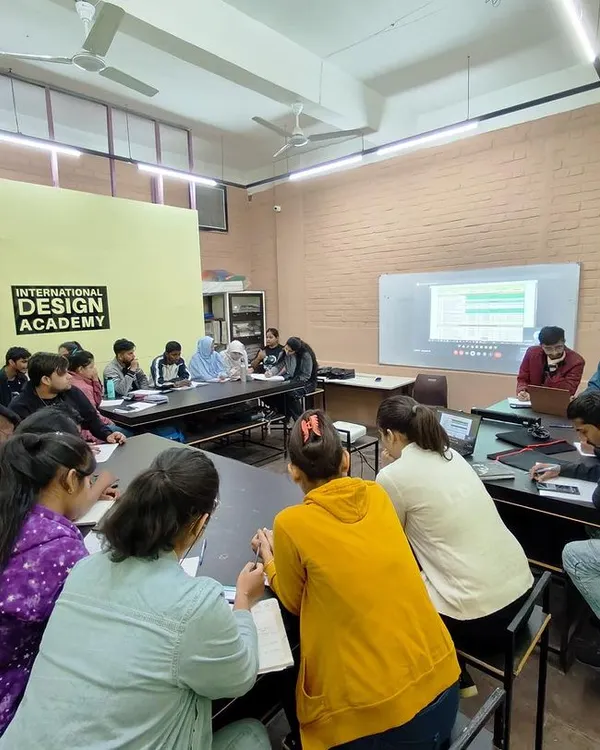
Design students collaborating on a project, sketching out ideas and planning their cuts. This is where theory meets practice.
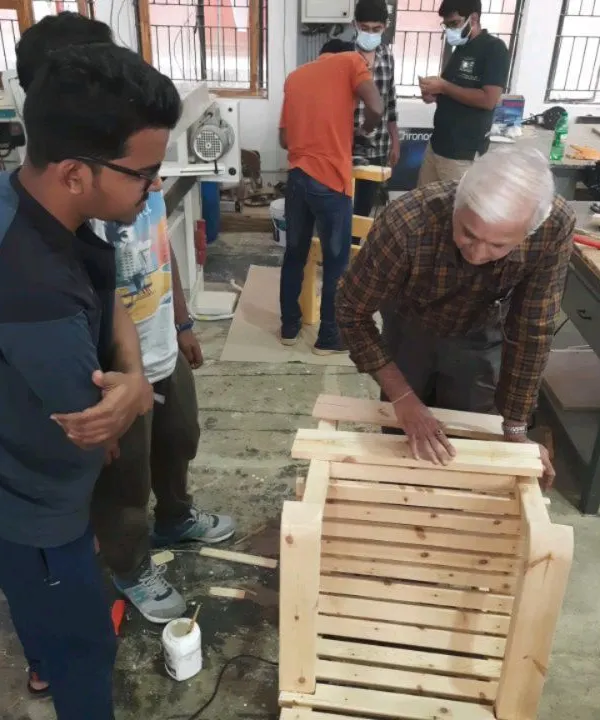
Students assembling a small piece of furniture. This hands-on experience is invaluable for understanding how designs translate into real-world objects.
A group of interior design students proudly displaying the complex shelf designs they built in a single day.
A student carefully assembling her project. These workshops are all about learning by doing, and turning a 2D drawing into a 3D object.
The workshop buzzing with activity as design students work on their projects. It's a day of intense learning, creativity, and sawdust.
Teamwork makes the dream work. Students help each other with measurements and assembly, learning from one another in the process.
A student sanding the legs of a small stool. Finishing is just as important as construction, and it's a key part of the process we teach.
Another group of proud design students with their finished projects, which include a variety of unique and creative shelf designs.
An interior design student with the stylish bowl he created, featuring an inlaid pattern of a different colored wood.
About For Design & Architecture Students
Design software is perfect, but the real test is how your idea handles physical weight and material grain. In these sessions, I focus on helping you understand the 'why' behind construction. You’ll stop guessing if a joint will hold and start knowing, whether you are prototyping a furniture piece or using Kumiko strips to build a scale model.
From Rendering to Reality
We’ve all seen it: a design that looks beautiful on a screen but falls apart in the real world. In these workshops, I help students bridge that gap. You aren't here to watch a demo; you are here to handle the material. By building your designs, you learn about structural integrity, wood movement, and the limitations of your own sketches.
What You Will Learn
- Material Behavior: You will work with Russian Birch Plywood, Pine, and hardwoods. You will learn how to cut, stain, and join them effectively.
- Tool Fluency: You won't just see a bandsaw or a router; you will use them to cut curves, edges, and dados for your prototypes.
- Precision Engineering: For architecture students, we use techniques like Kumiko joinery to build 3D architectural models that are far more accurate than cardstock versions.
- Construction Logic: I teach you how to think like a builder. How do you attach a frame? How do you hide a screw? How do you ensure a table doesn't wobble? These are the practical details that make or break a design.
The Kydo Approach
I run these sessions to be high-intensity and high-reward. Whether you are working on a 1-year diploma project or just trying to figure out how to scale a piece of furniture, the studio in Bangalore is set up to let you experiment safely.
No prior carpentry skill is needed. You come with your drawings, and we figure out how to build them. Expect a day of sawdust, power tools, and a lot of problem-solving. This is where you learn that the 'make' is just as important as the design.
Similar work from other experts
Browse through Curated picks from other experts on mytribe
 7
7

Practical Interior Design Workshops in Bengaluru
 37
37
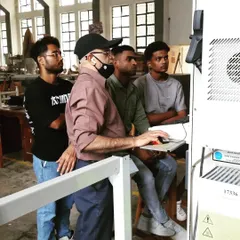
Hands-On Woodworking Training in Bangalore
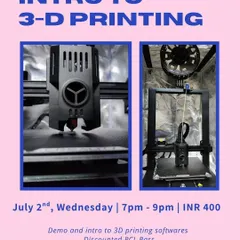
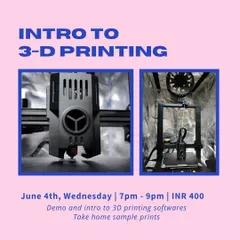
3D Printing and Laser Cutting Workshops
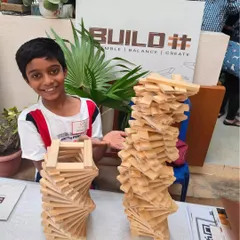

Featured Build-It Workshop Highlights
Immersive Architecture Mentorship and Design Workshops in Bengaluru
 43
43
Woodworking Workshops for Kids in Bangalore
More from Woodworking Workshops by Kydo
More services by Kydo