Woodworking Workshops in Bengaluru

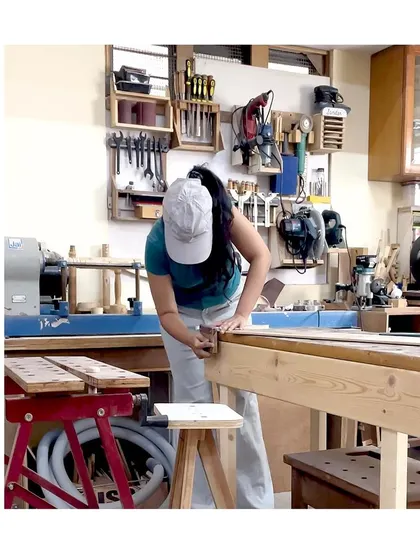
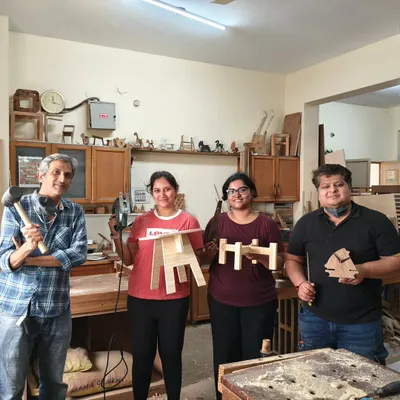
I run hands-on woodworking workshops in Bangalore and Pune where you use real tools to build furniture, decor, or toys yourself, no experience needed.
Pricing Guide
ESTIMATESAbout Woodworking Workshops
Why I Started Kydo
Sometimes, you just want to build something with your own hands, right? That’s what Kydo is all about. ‘Kai’ means hand in Kannada, and ‘Do’ is for doing. I wanted a space where folks could step away from screens and try making real stuff out of wood — not just scroll past it.
What You Can Expect
- No experience? Doesn’t matter. Most people who show up are complete beginners.
- The vibe is chilled out and welcoming. I won’t rush you. You’ll pick up a new skill, maybe even find that flow state where everything else just fades out.
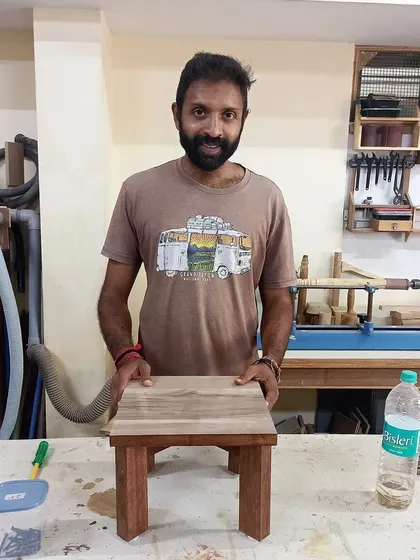
- At the end, you take home something you actually built. Sometimes it’s rough around the edges, but that’s part of the charm.
Choose Your Workshop
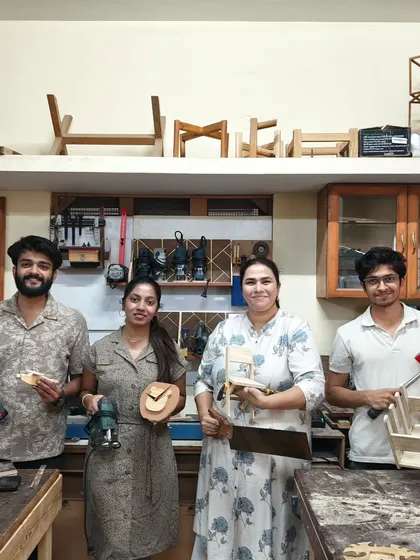
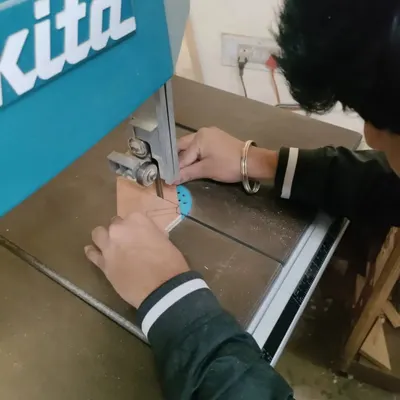
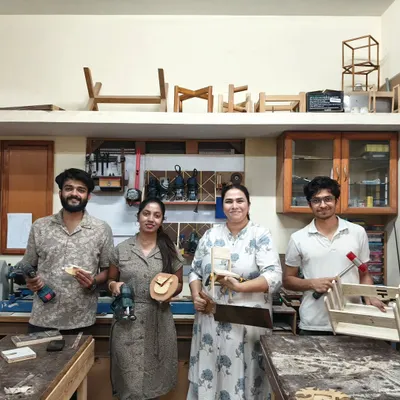
- Beginner woodworking classes: Weekend sessions. You use both hand tools and power tools, learn basics like measuring, cutting, joinery — and build a couple of projects you can actually use.
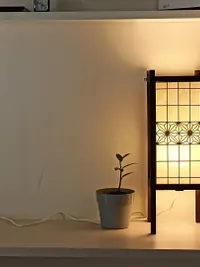
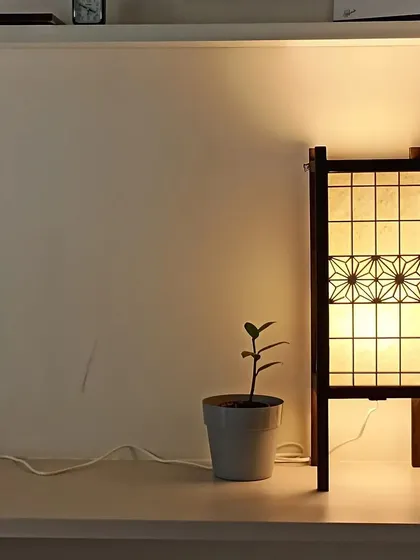
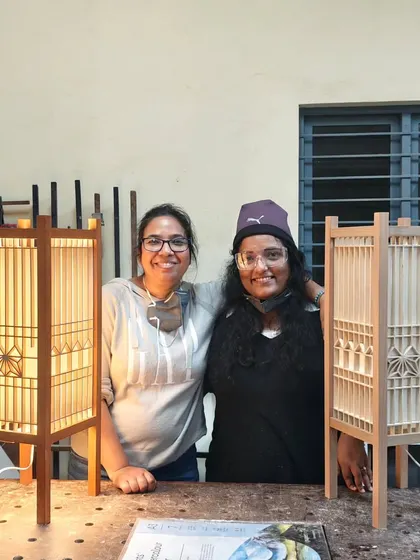
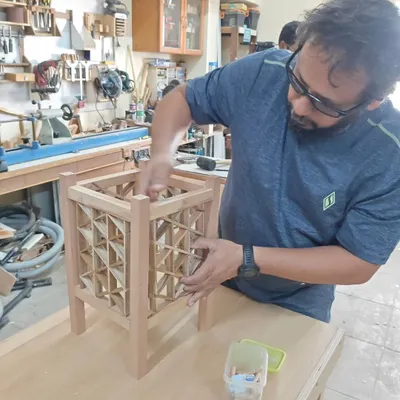
- Japanese Kumiko woodworking: If you want something meditative, this is for you. It’s all about intricate patterns and making a Kumiko box or lamp, no nails needed.
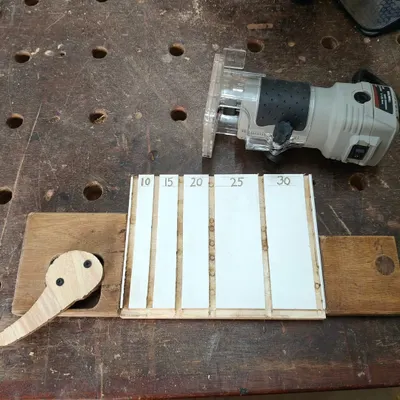
- Level Up workshops: For those who want to geek out on making their own jigs and specialized tools, then use them to build something cool.
- Woodworking for interior design students: Special one-day sessions where you actually build out your ideas.
What We Make
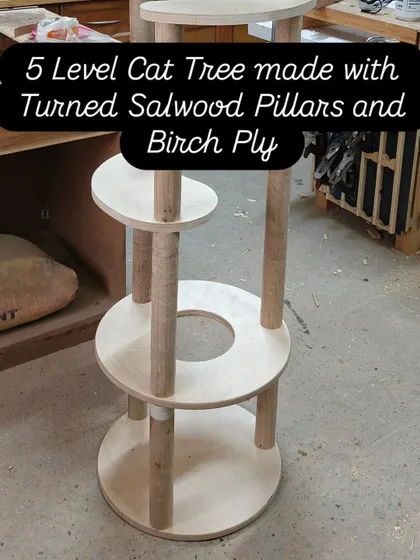
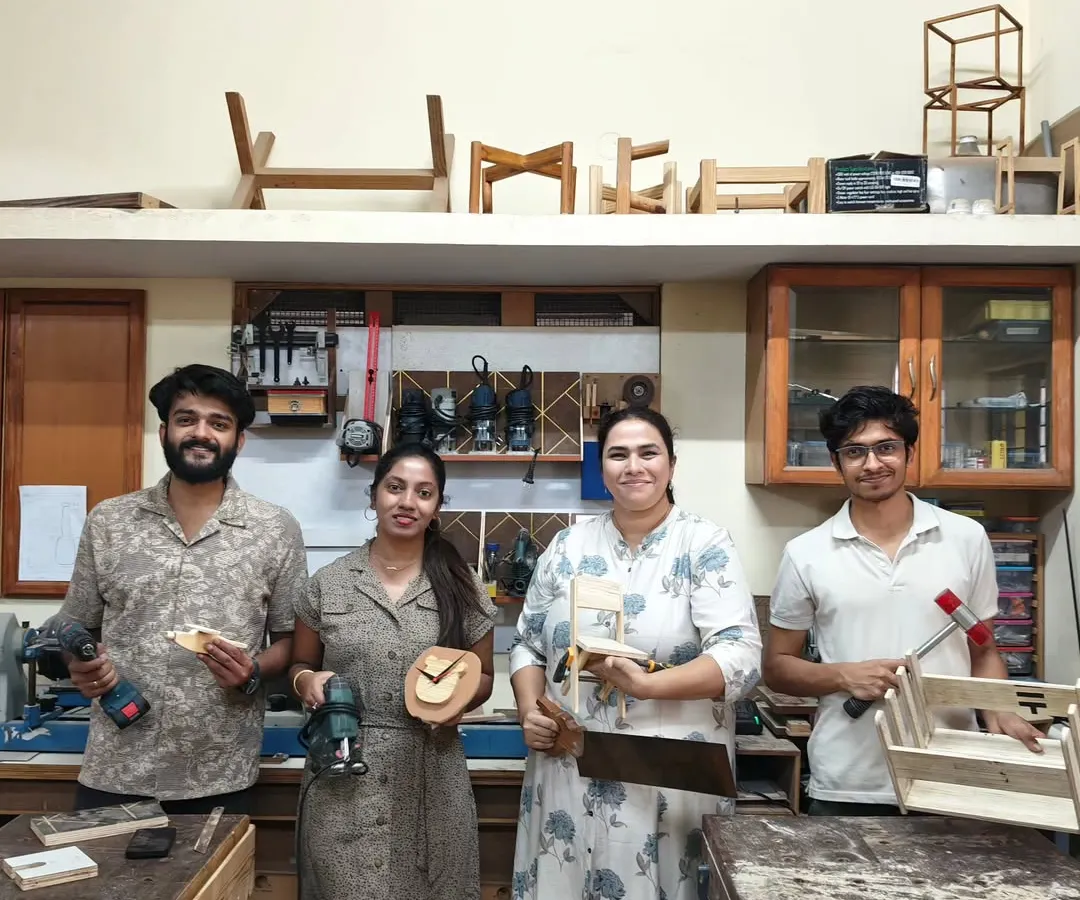
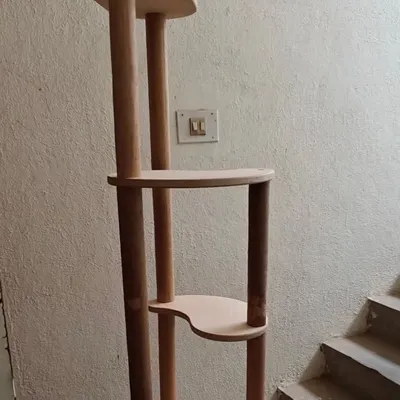
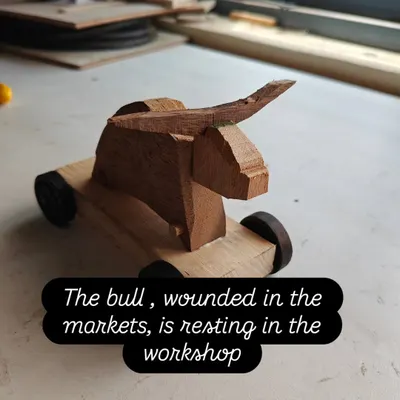
Furniture (stools, desks, cat trees), home decor (clocks, jewellery stands), and toys — you name it, people have tried it. All materials and guidance included.
Where I Run These
Workshops are in Bangalore and Pune. Anyone curious is welcome — solo, with a friend, or even as a family. Just come ready to make something real.
Highlights
Browse through Kydo's best work
Meet your Expert
Kydo
My Story
People ask me what Kydo means. Simple - 'Kai' (ಕೈ) is Kannada for hand, and 'Do' is just doing. That’s what we do, build with our own hands. There’s something wild about swapping screens for sawdust. I’ve seen teens, engineers, designers all hit that flow state in the workshop. You come in with ideas, leave with a shelf or a Japanese lamp you made. It’s the making, not just the thing itself, that’s magic.
My Work
Woodworking workshops in Bangalore & Pune - We run hands-on woodcraft sessions for all skill levels. You build something real, not just watch.
Weekend classes - from basics to Japanese Kumiko - Trade your keyboard for a saw. Learn hand tools, power tools, and try Japanese Kumiko art.
For beginners, designers, and anyone curious - Doesn’t matter if you’ve never held a chisel or want a portfolio piece. All are welcome.
Mixing old-school craft with new tech - We use classic woodworking and 3D printing. Sometimes it’s a shelf, sometimes a fixed car part.