Japanese Kumiko Woodworking Workshop: Learn Precision Joinery
Step away from screens and enter a meditative flow state. In this masterclass, you will learn to hand-craft intricate lattice patterns using traditional joinery, with no nails or glue required.
Here's a student working on a triangle grid Kumiko lamp. This technique requires immense focus as each small piece is carefully fitted. It's a rewarding process that results in a truly unique piece of decor.
For Diwali, we created a special edition Kumiko lamp. This design incorporates curved elements into the traditional straight-lined Asanoha pattern to form the shape of a diya, or oil lamp.
A finished Kumiko lamp, lit up to show the beautiful interplay of light and shadow through the wooden lattice. This one features the classic Asanoha pattern, made from delicate strips of white ash wood.
Anju carefully places the final infill pieces into her Asa-no-ha Kumiko pattern. This is a moment of pure concentration, where the entire intricate design comes together.
The assembly stage of the Kumiko frames. You can see the small, precisely cut wooden strips being interlocked to form the grid. We use a small hammer to gently tap everything into place.
Here you can see the process of cutting half-lap joints on the table saw. These small notches are crucial for allowing the Kumiko strips to interlock perfectly without any fasteners.
This is the result at the end of day one of the Kumiko lamp workshop. The main lamp frame, built from Beech Wood, is assembled and ready for the detailed Kumiko panel work on day two.
Another angle of a completed student project. The warm light diffuses beautifully through the paper, highlighting the delicate wooden geometry of the Kumiko screen.
This is a triangle grid Kumiko lamp with a Rindou pattern, shown before the diffuser paper is applied. The dark-stained frame provides a strong contrast to the lighter infill pieces.
The same triangle grid Kumiko lamp, now powered on. The light transforms the piece, creating a warm and inviting ambiance and showcasing the complex joinery.
About Japanese Kumiko: The Art of Precision
You'll be working with specific, high-quality materials: imported Beechwood for the structural frame and flexible White Ash for the lattice grid. Because this technique relies on pressure-fit joinery, you will spend your time learning to use precision tools like Japanese pull saws and bevel-edge chisels to make cuts accurate within a millimeter. It is highly focused work that rewards patience over speed.
The Art of the Grid
Japanese Kumiko is less about woodworking and more about geometry and patience. Unlike typical furniture projects where you rely on fasteners, Kumiko is held together entirely by friction and the precision of your cuts. You will learn to create complex geometric patterns like the classic Asa-no-ha (hemp leaf) or Rindou (gentian) using hand-cut strips.
The Workshop Experience
- Duration: This is an 8-hour deep dive into bench work.
- The Process: We start by constructing the outer frame from Beechwood. Once the structure is stable, we move to the grid. You will learn to use specialized angle jigs (22.5, 45, and 60 degrees) to ensure every piece fits perfectly.
- The Outcome: You will walk away with your own handcrafted Kumiko lamp or decorative box. The process includes applying the diffuser paper and final assembly.
Why Kumiko?
Many students start this class because they want to slow down. The repeated motion of measuring, cutting, and fitting small wooden strips creates a unique mental space where your focus narrows down to the tip of your chisel. Whether you are an interior design student wanting to understand materiality or just looking for a new weekend skill, you will leave with a deep appreciation for why traditional joinery survives in a digital age.
Similar work from other experts
Browse through Curated picks from other experts on mytribe
The Art of Joinery and Assembly
 10
10


The Art of Ikebana: Mindful Floral Design
 33
33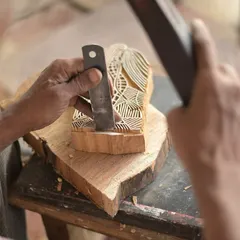
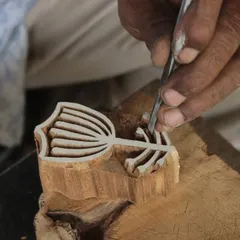
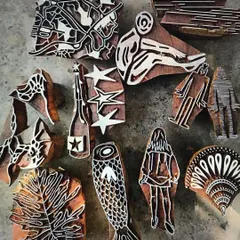
The Art of Woodblock Carving Workshop in Bangalore

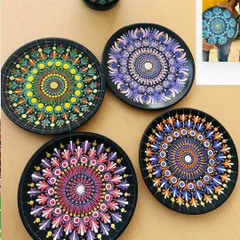
Mindful & Meditative Art Workshops
 12
12

Mindful Macrame and Fiber Art Workshops

Creative and Mindful Making Workshops in Bangalore
More from Woodworking Workshops by Kydo
More services by Kydo