Master the Combat Mindset for Real Survival
Physical skill is only half the battle. Learn to control your fear, sharpen your awareness, and make split-second decisions when the pressure is at its maximum.
This series covers the common mistakes I see people make in Krav Maga training. Avoiding these pitfalls will accelerate your progress and make you a more confident and capable practitioner in a real situation.
Two of the most fundamental mistakes are neglecting the basics and having poor physical conditioning. Krav Maga's power lies in simple techniques executed with precision, and that requires a solid fitness base.
Assuming you are always right and focusing only on offense will get you hurt. You must constantly seek feedback to refine your skills and balance your training with both defensive and offensive techniques for true survival.
Poor sparring etiquette can lead to injuries and stunt your growth. Equally important is mental training. Many practitioners overlook training their mind for stress, situational awareness, and decision-making under pressure.
Lack of consistency, overtraining, and ignoring recovery are three paths to failure. Building muscle memory and mental sharpness requires a consistent schedule and listening to your body.
The journey of Krav Maga is one of constant learning. You must recognize your mistakes, implement corrections, and embrace the process with humility and discipline to prepare for real-life situations.
Staying calm under threat is not about being fearless. It's about controlling your fear, regulating your body's stress response, and thinking clearly when your survival depends on it. This is the core of mental conditioning.
Combat triggers a fight, flight, or freeze response. Through deliberate mental conditioning, you can override these primal instincts, maintain mental composure, and control your physiological reactions to a threat.
An untrained mind panics under pressure. A trained mind maintains composure, makes faster decisions, and responds efficiently. Master your mind, and your body will follow.
I use specific mental training techniques to prepare you for chaos. This includes scenario-based training in stressful conditions, tactical breath control to manage heart rate, and mental rehearsal to pre-wire your brain for action.
About The Combat Mindset: Train Your Brain
Your body's fight-flight-freeze response is hardwired. If you haven't trained to override it, you will lock up when a real threat appears. I use reality-based drills to force your brain to function under pressure, turning panic into a tactical response. This is not about gym-fitness, it is about keeping your head when everything else is falling apart.
Training for the Real World
Most people think self-defense is just about learning a punch or a kick. That is a dangerous mistake. In a real street confrontation, your heart rate spikes, your vision tunnels, and your fine motor skills fail. If you have not trained your mind to handle that internal chaos, your physical techniques will never come out.
My Methodology: Controlled Chaos
We do not train in pristine, quiet gyms. I run sessions at our CR Park facility under conditions designed to induce stress. We use loud music, limited visibility, and aggressive partner drills to simulate the unpredictability of an attack. This is progressive stress exposure. By regularly putting you through these simulations, we teach your nervous system to stay calm.
Core Pillars of the Combat Mindset:
- Tactical Breathing: Learn how to regulate your heart rate and maintain focus even while under physical duress. It is a simple tool, but it is the difference between freezing and fighting back.
- Scenario-Based Thinking: We don't choreograph moves. We put you in realistic situations like active shooter responses, knife threats, or carjackings. You learn to scan for escape routes and use the environment as a weapon.
- Emotional Regulation: You will learn to recognize your personal 'triggers' and how to maintain composure when you feel the fear taking over.
Why This Matters
I have trained thousands of professionals, from military personnel to civilians. The one thing they all have in common is that their best performance comes when they stop thinking and start acting on instinct. This takes time, consistency, and a total commitment to reality. Stop looking for easy answers and start building the mental toughness to get home safe.
Similar work from other experts
Browse through Curated picks from other experts on mytribe

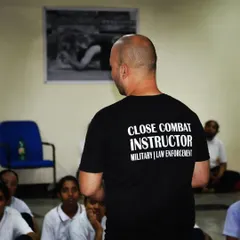
Building the Warrior Mindset
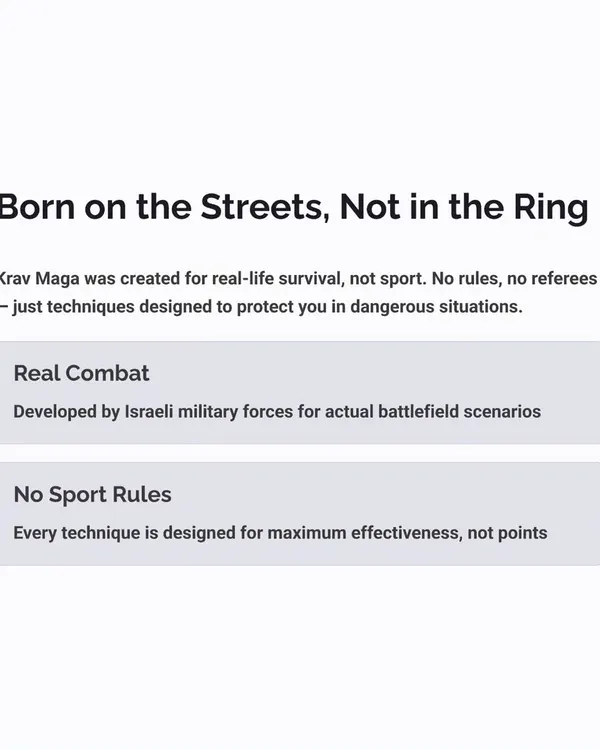 14
14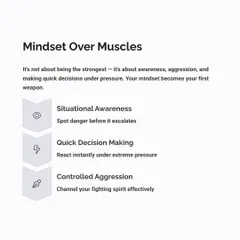
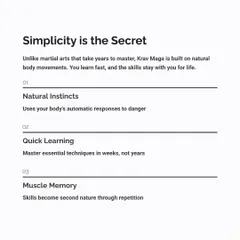
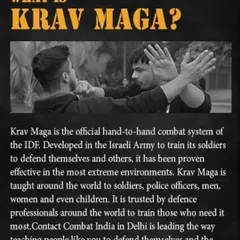
The Krav Maga Philosophy: Why Mindset Beats Muscle


Building a Warrior Mindset for Real-World Survival


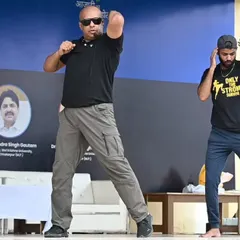
Street Ready: Self-Defense & Survival Training
Practical Self-Defense Skills for Women in Gurugram

Practical Self-Defense for Women and Girls
More from Tactical Training for Security Professionals by Kaustav Sehgal
More services by Kaustav Sehgal