Busting Common Fitness Myths and Diet Scams
The fitness industry is full of dangerous shortcuts and marketing scams. I use science and common sense to debunk these myths, guiding you back to sustainable health through real, home-cooked food.
Thinking of skipping meals for a "millet mix"? This is a scam. These low-protein powders cause muscle loss, which crashes your metabolism and leads to rebound weight gain. True health comes from nourishing your body with real food, not from a box.
I am not against protein supplements, but I am against "meal replacement" shakes. A whey protein shake can supplement a healthy diet, but replacing a whole meal with a low-calorie, low-nutrient soy powder is a recipe for disaster. Learn the difference between a supplement and a shortcut.
Don't be fooled by "herbal" or "natural" claims on meal replacement shakes, especially those with soy isolate. These are often made with cheap, processed ingredients. Real vegetarian protein comes from dals, legumes, and paneer, not from a multi-level marketing company's box.
Just because a famous cricketer or actor endorses a nutrition shake doesn't mean it's good for you. They are paid crores. Would they use it themselves? Unlikely. Make health decisions based on science, not celebrity marketing.
The great debate: rice vs. chapati. The truth is, neither is inherently "bad." Weight gain is about total calories and portion size, not one specific food. I explain the nutritional differences, including the gluten in wheat, to help you choose what's best for your body.
You can absolutely lose weight while eating rice. The trick is to create a balanced plate. Combine a small portion of unpolished rice with ample protein like dal or fish and a large serving of vegetables. This keeps you full and nourished, preventing overeating.
The myth that eating after 8 PM causes weight gain is false, especially for those with late work schedules. What matters is your total daily calorie intake and the 1.5-2 hour gap between your last meal and sleep. Your lifestyle dictates your meal timings, not the clock.
Stop drinking liters of milk for calcium. 100g of Ragi has nearly three times more calcium than 100ml of milk. Our traditional foods like ragi, sesame seeds, and leafy greens are far superior and healthier sources for strong bones.
Calcium supplements are not always the answer and can have side effects like artery calcification. It's crucial to get calcium from natural food sources. For proper absorption, your body also needs Vitamin D and K2, which work together to direct calcium to your bones.
Switching completely to pink salt? You might be risking your thyroid health. Pink salt lacks iodine, a mineral crucial for producing thyroid hormones. I recommend using iodized salt for daily cooking to prevent iodine deficiency, which is a common issue.
About Busting Health Myths
Stop paying for expensive meal-replacement shakes that trade your muscle mass for a temporary drop on the scale. When you swap a home-cooked meal for a processed soy-based powder, you aren't fixing your metabolism; you are crashing it. My approach is simple: we use real food—eggs, dals, paneer—to keep you nourished while you burn fat, not health. If you are tired of the magic pill culture and want a sustainable way to reach your goals, we should talk.
Why Quick Fixes Fail
The fitness industry loves to sell you boxes of millet mixes or meal-replacement shakes as the magic solution to obesity. They are rarely magic. Most of these products are low-protein, highly processed soy isolates that leave you nutrient-deficient and prone to muscle loss.
The Science of Real Food
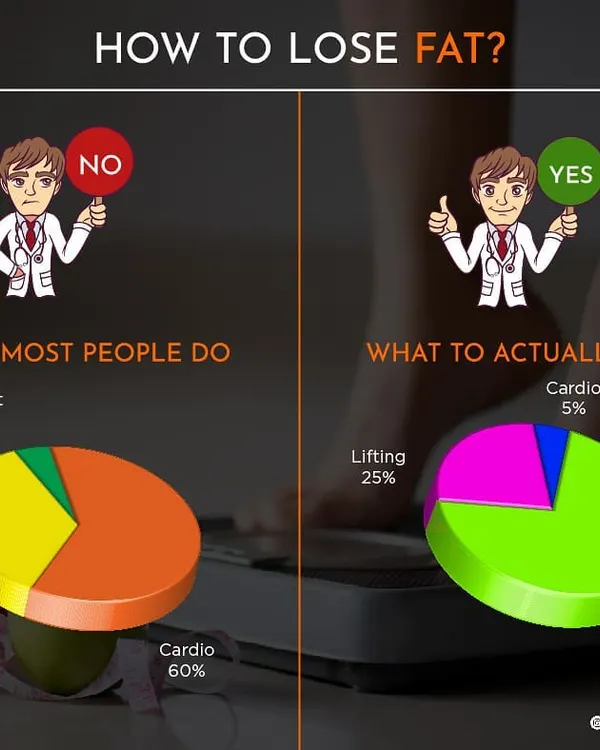
When you lose weight on these products, you are often losing lean muscle, which lowers your metabolic rate. This is why most people bounce back to their original weight the moment they stop the shake. My coaching focuses on body recomposition rather than just weight loss:
- Protein is non-negotiable: We aim for 1.2 to 1.6g per kg of body weight, sourced from whole foods like eggs, paneer, and lentils.
- Fat Loss vs. Weight Loss: You don't want to just be lighter on the scale; you want to be physically stronger and hormonally balanced.
- Chronic Condition Management: My protocols for PCOD, Diabetes, and Thyroid issues are grounded in blood-work analysis and lifestyle adjustments, not fad diets or restrictive fasting.
Frequently Asked Questions
Is rice bad for weight loss? No. Rice is a staple. The problem is usually the portion size or the lack of protein and fiber on your plate. A balanced plate with unpolished rice, dal, and vegetables is perfectly fine.
Why not just drink protein shakes? A protein supplement is for supplementing a diet, not replacing a meal. If you aren't eating whole foods, you are missing out on fiber, antioxidants, and micronutrients essential for long-term health. Supplements are only a small part of the puzzle, never the foundation.
Similar work from other experts
Browse through Curated picks from other experts on mytribe
Busting Fitness & Nutrition Myths for Real Results
 11
11
Fitness Myths Debunked: Real Science for Real Results
Real Talk: Busting Common Fitness Industry Myths
Debunking Common Fitness Myths
Busting Nutrition Myths with Science
Nutrition Myth-Busting & Practical Fitness Facts
More from Chronic Disease & Pain Management Program by Kiran Sagar