My Journey: Wildlife Filmmaking and Rescue Stories
I grew up holding snakes before I held a camera. From my first rescue at eight years old to documenting India's biodiversity today, this is my story of bridging the gap between us and the wild.
Holding an Indian Rock Python, a species I have a deep connection with. This image, featured in an article about my work, captures the essence of my journey, which started with rescuing snakes alongside my father.
A Trinket snake peeking out of a tree stump. This image was part of my World Wildlife Day post, reflecting my fascination with all creatures, big and small.
Nothing like nature therapy. This reel is a compilation of peaceful and exciting moments in the wild, from watching an Indian Cobra to finding a baby bird.
This is what herping in the Northern Western Ghats feels like. Rain, winding roads, and incredible discoveries like chameleons and rare snakes. It's always an adventure.
About My Journey as a Filmmaker & Rescuer
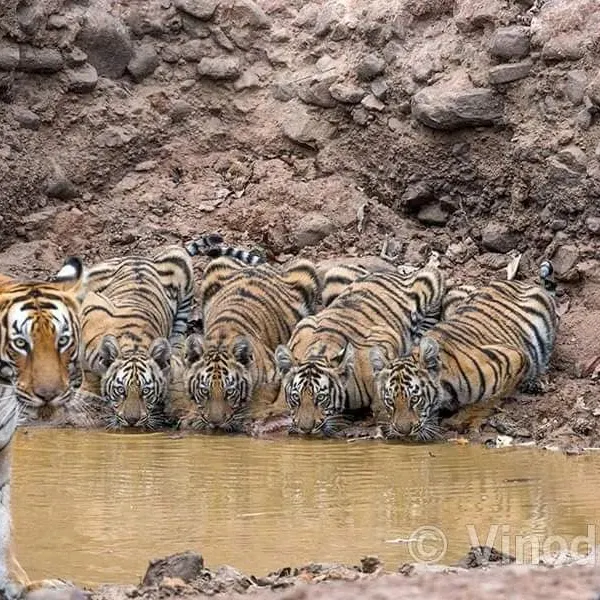
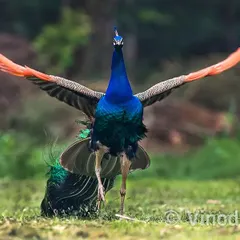
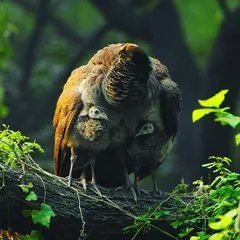
Getting these shots isn't about sitting in a blind with a professional lens; it is usually about being knee-deep in mud in Aarey Colony or waiting hours in the rain. Every frame you see here comes from an actual rescue call or a conservation field visit, where my first priority is always the animal's safety before I even touch the camera. I don't set up scenes, and I don't use bait—what you see is the real behavior of the wildlife we share our city with.
Photography for me was never just about the image. It started as a way to document the life of the animals I was rescuing alongside my father. When I founded Aasha Trust, we saw that people were often terrified of snakes or birds because they only knew the myths. I started filming to show the truth: that snakes, monitor lizards, and even the smallest insects are just trying to live their lives, often right in our backyards.
My Approach to Wildlife Filmmaking
My filmmaking is essentially an extension of my rescue work. Whether I am shooting a documentary on the biodiversity of the Northern Western Ghats or a short clip for social media, my process remains the same:
- Ethical Fieldcraft: I respect the animal's comfort zone above all else. If an animal shows signs of stress, I pack up. No shot is worth disturbing a creature in its natural habitat.
- Context over Clutter: I focus on telling a story. If I am filming a python rescue, I want the viewer to understand why the snake was there, how it adapted to the urban sprawl of Mumbai, and how we can safely relocate it.
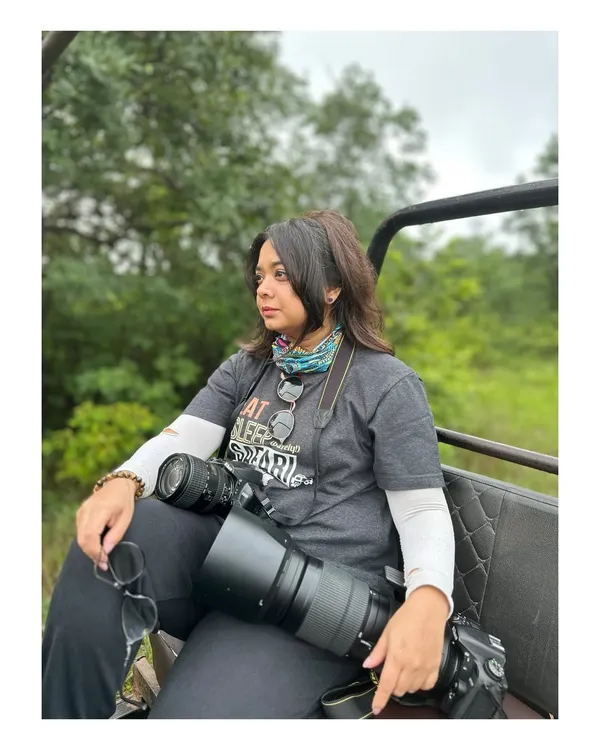
- Technical Versatility: I use a mix of macro lenses for the tiny wonders—like spiders and forest crabs—and telephoto lenses for wary birds or reptiles that need distance to feel secure.
Beyond the Camera
When I am not behind the lens, I am usually on a rescue call in Mumbai or Thane. This background gives me an edge in documentary filmmaking. I know how animals move, where they hide, and how to predict their behavior. This allows me to capture authentic moments that others might miss while waiting for the 'perfect' setup. If you are looking for someone to capture the wild, untamed reality of nature, I am ready to head into the field.
Similar work from other experts
Browse through Curated picks from other experts on mytribe
Behind the Lens: My Wildlife Journey
 7
7
Featured Wildlife Stories and Cultural Documentation
Stories in Motion: Wildlife Behavior Videography
 5
5
Wildlife Portraits and Behavior Studies
 7
7
Behind the Lens: My Journey in Wildlife and Conservation
Moments in Motion: Wildlife and Nature Video Highlights
More from Wildlife & Conservation Filmmaking by Karan Solanki
More services by Karan Solanki