Wildlife Photography of Lizards, Frogs, and Amphibians
From the colour-shifting Indian Chameleon to the monsoon-loving Bull Frog, I document the elusive lives of reptiles and amphibians that are often overlooked in our ecosystems.
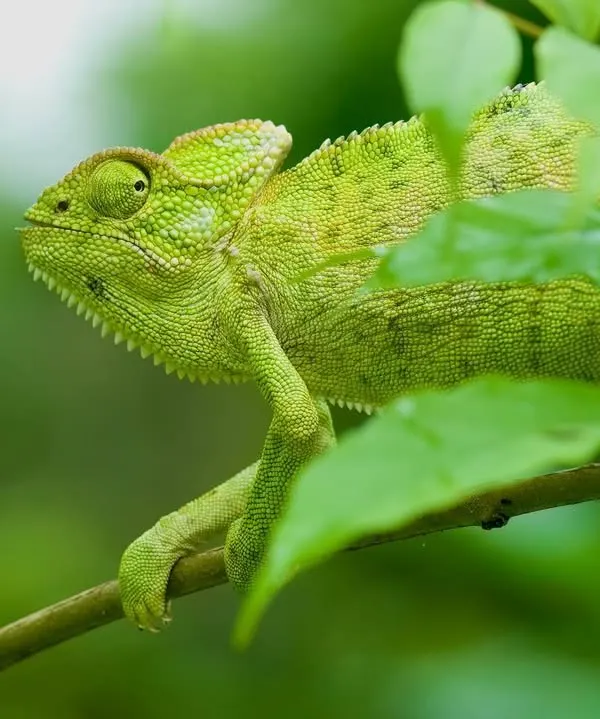
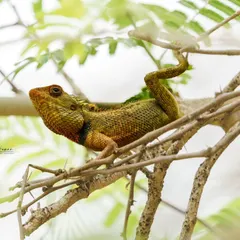
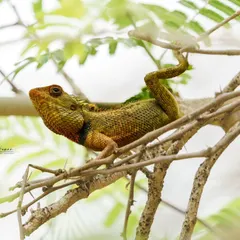
The Indian Chameleon, the only chameleon species found in India, is a master of camouflage. This was a special encounter for me on a trip to the Deccan Plateau, and I was thrilled to finally get the shots I had been hoping for.
The monsoon is here, and so are the Indian Bull Frogs. The males turn this stunning bright yellow during the breeding season to attract mates, creating a vibrant spectacle in the wetlands.
A monochrome, low-key shot of an Indian Bull Frog calling. Removing the color allows the focus to be on the form and the energy of the moment.
A Bark Gecko, perfectly camouflaged on a tree trunk. I took this shot from a low angle to capture the world from its prey's perspective, highlighting its incredible adaptation.
An Indian Flapshell Turtle, photographed in my native village. These freshwater turtles are a vital part of the aquatic ecosystem.
A monochrome shot of the Indian Flapshell Turtle. The black and white format brings out the texture of its skin and shell, creating a more dramatic and timeless portrait.
A personal moment, holding a rescued monitor lizard. This image was part of a feature on my work, connecting my passion for photography with my roots in wildlife rescue.
About Beyond Snakes: Lizards, Frogs & Amphibians
Photographing smaller reptiles and amphibians requires a level of patience that often goes unseen in the final shot. Whether I am tracking the Bark Gecko’s camouflage or waiting for the Indian Bull Frog’s breeding season, these images are not about hunting for the subject. They are about understanding the ecosystem, being silent in the field, and knowing exactly when to step back to let the animal behave naturally.
My approach to herpetology photography is rooted in ethics and observation. When I shoot species like the Indian Flapshell Turtle or the rare Indian Chameleon, my priority is always the animal's welfare. I don't use artificial setups or stress the creatures for a better angle. Instead, I use macro lenses to capture textures and patterns without encroaching on their space.
Why These Species Matter
Many people fear or ignore reptiles and amphibians, but they are vital indicators of environmental health. The Indian Bull Frog, for instance, serves as a crucial barometer for wetland quality during the monsoon. By documenting these species, I aim to show that even in urban spaces like Mumbai or the grasslands of the Deccan Plateau, these animals are thriving if we simply look closely enough.
Techniques for Herpetology Photography
- Perspective: I often shoot from a low angle to place the viewer at the eye level of the subject. This helps people see the world from the perspective of the animal, rather than looking down on it.
- Low-Key Lighting: For subjects like frogs, I frequently use low-key lighting to strip away distractions and focus entirely on form and texture.
- Ethical Fieldcraft: I utilize blinds and natural cover to get close. Understanding animal behavior is 90 percent of the job; the camera is just the final tool.
Whether you are looking to source high-quality footage for a conservation documentary or need an experienced wildlife cinematographer who understands reptile behavior, I am available for projects across India. My focus is always on capturing authentic, educational imagery that respects the subject.
Similar work from other experts
Browse through Curated picks from other experts on mytribe
 22
22
The Smaller Kingdom: Macro Photography and Herpetology
 21
21
Creatures Great and Small: Portraits of India’s Biodiversity
 37
37
Macro Photography of Rare Reptiles and Amphibians
 16
16
Insects, Reptiles & Fungi Photography
Reptiles, Insects & Macro Wildlife Photography
Capturing Small Wonders: Reptiles & Macro Life
More from Wildlife & Conservation Filmmaking by Karan Solanki
More services by Karan Solanki