Develop Fast Bowling Speed with Smart Mental Drills
Raw pace is useless if you lose control in a match. We bridge the gap between net speed and match-day performance through discipline, effort management, and mental conditioning.
90% of fast bowlers quit within a few years. I explain the harsh reality and the data behind it. Success requires more than just talent; it demands commitment, a strong mentor, and a clear understanding of the game.
Coaches tell you to be disciplined, but what if your body isn't recovering? I explain the science of sleep and how adjusting your body's natural cycle is a powerful secret to increasing your bowling speed.
There's a saying that a fast bowler's brain is in his knee. This is used to mock bowlers who use 100% effort on every ball. I teach you to be a smart fast bowler by controlling your effort with specific drills.
A fast bowler's confidence comes from taking wickets. If you're not getting any, don't watch YouTube videos. I explain a simple but ignored technique: getting direct feedback from teammates and opposition batsmen.
About The Fast Bowler's Edge: Speed with Brains
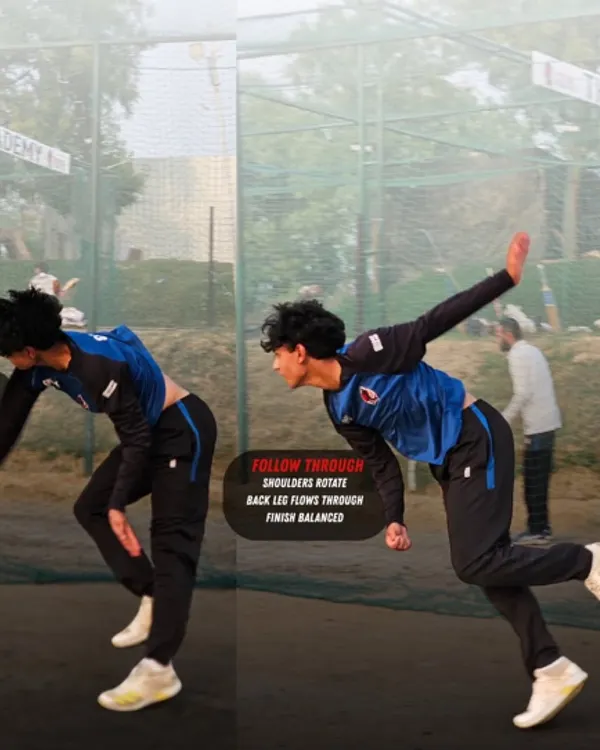
Stop burning out by bowling at 100% effort every single ball in the nets. At our DDA ground sessions, I teach you to regulate your energy using flow drills and shadow practice. It is about understanding your own rhythm, because being a smart bowler matters more than just hitting the stumps in practice.
Why Pace Needs Brains
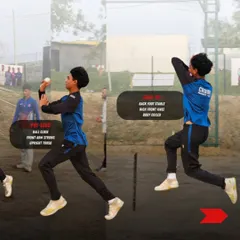
Most bowlers think fast bowling is just about maximum effort. They are wrong. If you aren't managing your rhythm, you are just an injury waiting to happen. In our sessions, we analyze your natural bowling action—we don't teach speed tricks. We teach you how to maintain your pace while keeping the batsmen guessing.
The Recovery Reality
Discipline is good, but mindless discipline is dangerous. If your body isn't recovering, your speed graph will only go down. We talk about the science of sleep and syncing your routine with your circadian cycle. This is the secret to increasing your bowling speed that most coaches won't tell you. You need to train smart, not just hard.
Match Simulation Approach
Net practice is easy. Matches are not. We use scenario-based training—like chasing specific targets or bowling with close-in fielders—to simulate real pressure. We also do 'No-Out' nets: you get out, the session ends. This forces you to value your wicket and keeps your focus sharp.
My Coaching Philosophy
I focus on:
- Effort Regulation: Learning when to push and when to bowl within yourself.
- Mental Toughness: Breathing drills to handle match anxiety and pre-delivery focus.
- Confidence Building: Using direct feedback from teammates and opposition to improve, rather than relying on random YouTube videos.
Stop watching reels and start grinding on the ground. Real growth happens in the dirt, with a plan, not on your screen.
Similar work from other experts
Browse through Curated picks from other experts on mytribe
Bowling Masterclass: Build Your Action and Mind
Pace & Spin Bowling Clinic: Build Speed and Accuracy
 15
15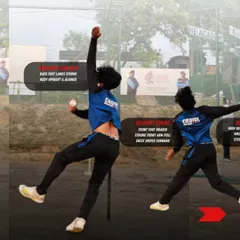
Bowling & Fielding Skill Development
Mastering the Art of Bowling
Expert Cricket Bowling Coaching & Action Analysis
Bowling Masterclass: Pace, Swing & Spin Training
More from Cricket Mindset & Mental Conditioning by Journal Cricket Academy
More services by Journal Cricket Academy