Child Development Milestones: Tracking Growth & Behavior Together
Watching your child grow is a journey full of wonders and big questions. We are here to help you understand their milestones, navigate tricky tantrums, and celebrate every new skill they master.
Did you know crawling is more than just movement? It's a critical milestone that builds coordination between the left and right sides of the brain, strengthens muscles for walking, and even improves vision tracking, which helps with reading skills later on.
Every sound your baby makes is a step towards language. From the first "goo goo ga ga" to their first real word, we celebrate each speech development milestone with you. This series tracks the typical progression of your child's speech.
In the first 0-5 months, communication is all about laughs, cries, and responses to your voice. Don't worry about fussy cries; it's all a normal and healthy part of them learning to express their needs. You have a new little buddy to talk to all day!
Between 6-11 months, you'll hear lots of funny babbling and gibberish. This is the precursor to their first words, and you might soon hear that magical "mama" or "dada" you've been waiting for.
At 12-17 months, you have a little parrot at home! Babies at this age mimic everything you say, and a budding vocabulary starts to form. It's an exciting time of rapid language acquisition.
Get ready for a lot more chatter between 18-23 months. A booming vocabulary emerges, and they start combining words and asking for their favorite things, like "cookies!", by name.
Between 2-4 years, cognitive development advances to the point where children begin to understand the difference between what's real and what's not. This is when they might experiment with their first lies, which is actually a sign of cognitive growth!
A child screaming for an hour can test any parent's patience. This is a classic toddler tantrum. The big question is, should you shout back or stay calm? Your reaction is key.
Toddler tantrums are not just bad behavior; they are a child's way of expressing big emotions they can't yet manage. How we react in the middle of their breakdown teaches them how to cope.
The secret to managing a tantrum is to stay calm yourself. Your calm teaches them self-control. When they see you are in control, it helps them feel safe and learn to regulate their own feelings.
About Tracking Growth: Milestones & Behaviors
Milestones are more than just numbers on a growth chart. Whether you are worried about speech development, why your toddler is having daily meltdowns, or how they are handling physical skills like crawling, our paediatricians look at the whole picture. We don't just track growth markers; we help you understand the 'why' behind your child's behavior so you can respond with confidence rather than confusion.
Understanding Your Child’s Journey
Every child develops at their own pace, but knowing what to look for can help you feel more in control.
Physical and Motor Milestones From the moment they start crawling—which is actually brain-building in action as it improves vision tracking and coordination—to their first steps, every movement is progress. We help you distinguish between normal developmental variations and signs that might require a closer look.
Speech and Language Progression Language development is a core indicator of cognitive health. From those early coos to the 'parrot phase' where they mimic everything, we guide you on what to expect. If your child is struggling to hit these speech markers, you are not alone. Our specialists are here to offer support, not judgment.
Managing Big Emotions Toddler tantrums are often a child's way of expressing feelings they cannot yet verbalize. While they can test your patience, remember that your reaction is their lesson in self-regulation. We advocate for gentle parenting strategies that help you remain the calm anchor for your child during these storms.
When to Visit Our Paediatricians Sometimes, you just need a professional to look at the facts. You should book a consultation if:
- You notice a regression in skills they previously mastered.
- Your child is not meeting age-appropriate social or speech milestones.
- You feel overwhelmed by persistent behavioral challenges.
- You simply need reassurance and a growth check.
At Motherhood Hospitals, we offer detailed assessments, including growth charting and milestone reviews, to ensure your child is thriving. Whether it is a routine wellness check or a specific developmental concern, our team is ready to listen.
Similar work from other experts
Browse through Curated picks from other experts on mytribe
 15
15
Practical Resources for Child Development
From Chaos to Calm: Managing Meltdowns & Toddler Behavior
 24
24


Developmental Toys for First Steps & Motor Skills
 23
23

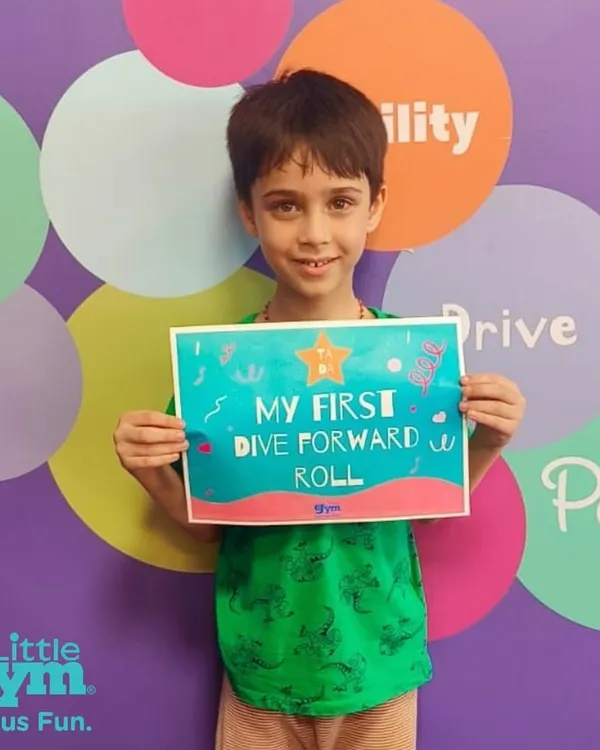
Celebrating Every Gymnastics Milestone
 7
7


Parenting Facts, Myths, and Practical Care Tips
Parenting Wisdom & Resources
More from Paediatrics by Motherhood Hospitals
More services by Motherhood Hospitals