From Chaos to Calm: Managing Meltdowns & Toddler Behavior
Parenting is messy, and big emotions are normal. Move from daily power struggles to a more connected, calm home using science-based tools that actually work.
The reverse psychology trick that works on toddlers often stops working around age 8 when they develop "theory of mind." I explain why this happens and how continuing to use it can break trust, offering honest communication strategies like asking for help and giving choices to build cooperation instead.
An occupational therapist taught me this game-changing technique. Instead of pulling a child's hands, which can harm their joints, use gentle compression. This provides the "proprioceptive input" their brain craves, helping them feel grounded and regulated, especially during restless moments.
This is a core conscious parenting truth: our job is to prepare the child for the path, not the path for the child. I discuss our role in providing resources, like a study space or nutritious meals, without controlling the outcome, which fosters their independence and self-discipline.
Are you setting rules that aren't working? The key is follow-through. If you set a 10-minute screen time limit, using a timer and giving a two-minute warning helps the child internalize the boundary. I explain how this consistency builds respect and self-management skills over time.
On a family trip, I let natural consequences teach my daughter about meal times. When she refused to eat, she later got hungry when good options weren't available. This experience taught her about cause and effect far more effectively than any lecture from me could have.
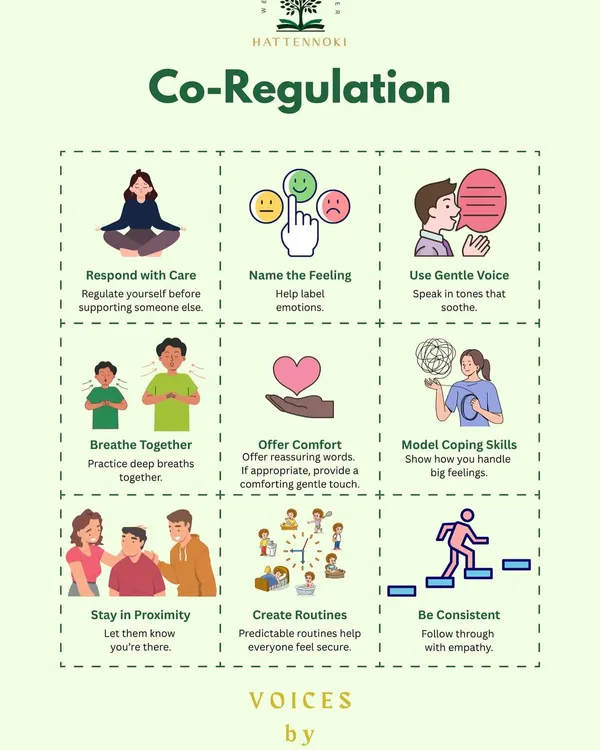
You can't teach someone to swim while they're drowning, so why do we try to reason with a child during a meltdown? I explain the neuroscience of "emotional flooding," where the thinking brain is offline. The first step is always to rescue and co-regulate, not to teach.
Stop telling your child to "calm down." During a meltdown, their brain is in survival mode, and commands only add to the chaos. I explain the neuroscience-backed hack of simply naming their feeling, like "I see you're angry," to help their brain shift from panic to thinking mode.
Being your child's friend is not your job; they need a parent. I discuss the research showing that children with parent-like guides, who set firm but loving boundaries, develop better emotional regulation and decision-making skills. Your role is to provide the structure that helps them feel secure.
Teaching respect starts with modeling it. In this video, I explain three simple, brain-based steps: mirror the respect you want to see, practice rephrasing harsh words into kinder ones, and celebrate their effort. This approach works with their brain's natural development, not against it.
Shifting your perspective can change your parenting experience. Instead of thinking "my child is being difficult," try "I am feeling challenged." I share how reframing these moments helps you see them as opportunities to connect and grow, rather than moments of conflict.
About From Chaos to Calm: Managing Meltdowns & Behavior
Instead of reasoning with your child mid-meltdown when their thinking brain is effectively offline, try simply naming their emotion, like 'I see you are feeling frustrated.' This neurological shift helps move their brain from survival mode into thinking mode, allowing you to connect before you teach, rather than fighting against the storm.
When your child is having a meltdown, it is often not a behavioral issue but a biological one. Their amygdala (the brain's emotional center) has taken over, making logical processing impossible. My approach, grounded in neuroscience and Montessori principles, helps you understand that these moments are opportunities for connection, not just management.
Why the Old Ways Don't Work
Most traditional parenting advice focuses on compliance—getting the child to stop screaming immediately. Using phrases like 'chup ho jao' (be quiet) or relying on reverse psychology might work in the short term, but they often break trust as the child grows. By age 8, kids develop a theory of mind and can see through manipulation. When we stop trying to outsmart our children and start partnering with them, cooperation replaces resistance.
Tools for a Calmer Home
- Natural Consequences: Allow your child to experience the logical outcome of their actions rather than issuing arbitrary punishments. This teaches cause and effect.
- Proprioceptive Input: If your child is sensory-seeking or restless, gentle compression (hugs for their joints) can regulate their nervous system faster than words.
- The Fact vs. Assumption Game: Use this to teach your child (and yourself) to distinguish between reality and interpretation, which significantly reduces anxiety in social situations.
Whether you are dealing with screen time battles, refusal to eat, or defiant moments, the goal is not to be a perfect parent, but to be a safe haven. Through my R.A.I.S.E program and 1:1 coaching, we will replace the 'method to the madness' with strategies that foster emotional intelligence and self-regulation. You are not alone in this; let's make your home a place of connection.
Similar work from other experts
Browse through Curated picks from other experts on mytribe
Gentle Parenting Strategies for Daily Connection
Practical Gentle Parenting Tips That Actually Work

Positive Discipline and Habit Building Strategies
 13
13
Nurturing Hearts and Minds: Practical SEL Resources
Yogic Parenting: Tools for Conscious Connection

Parenting Challenges: Practical Solutions for Your Family
More from Early Childhood Parenting Coach by Ankita B Chandak