Everyday Accidents & Home Safety: A Guide for Parents
Kids are naturally curious, and bumps or scrapes are just part of their growing up. We’re here to help you turn your home into a safer space and act with confidence when those little accidents happen.
Every day with a little one is an adventure, and sometimes those adventures lead to falls and wounds. It's a normal part of them learning to explore their world. Knowing the basic life-saving skills for these moments is key to being prepared.
When your toddler falls, the first step is to stay calm and soothe them while you assess the wound. Their tears are a normal reaction, but your calm presence reassures them that they are safe. Most tumbles are minor and part of developing coordination.
While most scrapes can be managed at home, it is important to seek medical attention if a wound bleeds persistently or appears deep. Our paediatric emergency services are always available to provide immediate care when you need it.
A spilled cup of hot tea or coffee is a common cause of scalds in toddlers. These accidents happen in an instant. This series shows you the correct first aid steps to take immediately after a burn to minimize injury.
The first and most important step for a minor burn or scald is to run cool, not cold, water over the area for 10-15 minutes. This helps to soothe the skin and reduce the temperature, preventing further damage.
It's a common instinct to reach for ice, but you should never use it on a burn. Ice can restrict blood flow and cause a cold burn or frostbite, which worsens the injury and delays healing. Cool running water is always the best first response.
For minor injuries, you are your child's first line of care. For anything more serious, we are right here with you. Your baby is in safe hands with you and us, and we encourage you to visit us for any emergencies.
A child's curiosity can lead them to explore things they shouldn't, like electrical outlets. Accidental burns are a leading cause of injury in young children. We provide guidance on child-proofing your home to prevent such accidents.
Household cleaning supplies can look like toys to a crawling baby. Accidental poisoning is a significant risk for children aged 1-5. We educate parents on storing chemicals safely and recognizing the signs of poisoning.
About Everyday Accidents & Home Safety
When a minor accident occurs, the first thing to remember is that your calm presence is the best first aid. For burns, the most effective immediate action is running cool, not cold, water over the affected area for 10 to 15 minutes. This simple, often overlooked step effectively stops the heat from penetrating deeper layers of the skin, preventing further tissue damage while you assess whether a hospital visit is truly necessary.
Creating a Safer Home Environment
Your home is where they grow, but it is also where they learn to test their boundaries. Preventing accidents is often about looking at your space through your child’s eyes. We recommend conducting a regular room-by-room audit: secure heavy furniture to walls, cover all accessible electrical outlets, and keep cleaning agents, medicines, and small items that pose a choking hazard locked away. These small, proactive habits go a long way in preventing the most common household injuries.
Knowing When to Seek Help
Not every tumble needs a hospital visit, but knowing when to come in can save you from hours of unnecessary worry.
- Head Injuries: If your child loses consciousness, vomits repeatedly, or seems unusually drowsy after a fall, bring them in for an immediate assessment.
- Deep Wounds: Any cut that won't stop bleeding after 10 minutes of direct pressure or appears gaping needs professional attention.
- Breathing Difficulties: If you suspect they have swallowed or inhaled a small object, do not wait. Our emergency teams are equipped to handle airway obstructions rapidly.
Our Approach to Emergencies
We understand that 'emergency' is a heavy word for a parent. Our paediatric emergency units are designed to triage children quickly, separating minor issues from critical ones so you aren't stuck waiting. Whether it is a late-night fever, a suspected fracture, or a persistent allergic reaction, we provide 24/7 stabilisation and specialist monitoring. You are never doing this alone; when you arrive, our priority is to soothe the child, stabilize the condition, and give you clear, factual guidance on the next steps.
Similar work from other experts
Browse through Curated picks from other experts on mytribe
 7
7

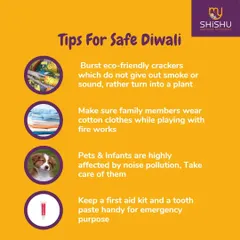
Parenting Facts, Myths, and Practical Care Tips
 4
4
Emergency Preparedness for Pet Owners
 4
4
Essential Newborn Care & Safety Guidance
Practical Tips for Safe and Happy Playtime
Easy DIY Science Experiments for Curious Kids
DIY Science Experiments to Spark Curiosity at Home
More from Paediatrics by Motherhood Hospitals
More services by Motherhood Hospitals