Human-Wildlife Coexistence Photography for Conservation Projects
Beyond the deep forests lie the boundaries where our lives and theirs overlap. This gallery documents the complex reality of animals navigating human-dominated landscapes.
A forest guard holds a "GO SLOW" sign as an endangered Lion-tailed Macaque crosses the road in Valparai. This powerful image captures the direct intervention needed to protect wildlife from traffic in fragmented habitats.
An elephant forages in a tea plantation next to a busy road in South India. This scene is a daily reality in many parts of Asia, highlighting the increasing overlap between human activity and wildlife habitats.
A Sambar deer navigates a busy road, with tourists offering it food. While it may seem harmless, feeding wildlife is dangerous for both the animals and people, leading to habituation and conflict.
The same Sambar deer, captured with a fisheye lens to create a distorted, surreal perspective. This shot emphasizes how out of place the wild animal is in this man-made environment of traffic and tourists.
A Rock Hyrax, the elephant's closest living relative, with a piece of cardboard trash stuck on its head in Kenya. This is a stark and sad illustration of how our waste impacts even the smallest of creatures.
An endangered Lion-tailed Macaque inspects its own reflection in my car window. This close encounter in Valparai highlights how curious these animals are and how close they live to human presence.
About Where Worlds Collide: Human-Wildlife Coexistence
When I photograph these human-wildlife interactions—like the Sambar deer navigating tourist traffic or the macaques in fragmented tea estates—I follow a strict no-interference policy. My goal is to capture the raw, often uncomfortable truth of habitat encroachment without baiting animals or altering the scene, which is essential for honest documentary and research documentation.
Photography in this space is about more than just a good frame. It is about documenting the 'new normal' for endangered species. Whether it is a Lion-tailed Macaque in Valparai or a Rock Hyrax affected by litter in Kenya, these images serve as visual evidence for NGOs, forest departments, and conservationists.
The Ethics of Documentation
My approach is driven by the belief that we must remain invisible observers. When capturing images of animals interacting with human environments—like the Sambar deer feeding on the roadside—I prioritize the animal's welfare over the perfect shot. Feeding wildlife creates habituation, which leads to conflict. By documenting these moments, I aim to create imagery that educates the public on why these practices must stop.
Why This Work Matters
- For NGOs and Research: I provide high-resolution documentation for reports, fundraising, and public awareness campaigns.
- For Conservation Policy: Visual proof of habitat fragmentation helps drive the conversation on wildlife corridors and road safety measures.
- Technical Approach: Using a Nikon Z8 with 45MP resolution, I ensure every image is crisp enough for print media, billboards, or detailed digital reports. I provide fully processed JPEG files with metadata that includes specific species information and location details.
If you are working on a project that requires honest, impactful documentation of human-wildlife conflict or coexistence, I am ready to bring my gear and my lens to the field.
Similar work from other experts
Browse through Curated picks from other experts on mytribe
 9
9
Conservation Chronicles: Stories from the Wild
 6
6
Conservation Photography: Documenting India's Wildlife Challenges
 5
5
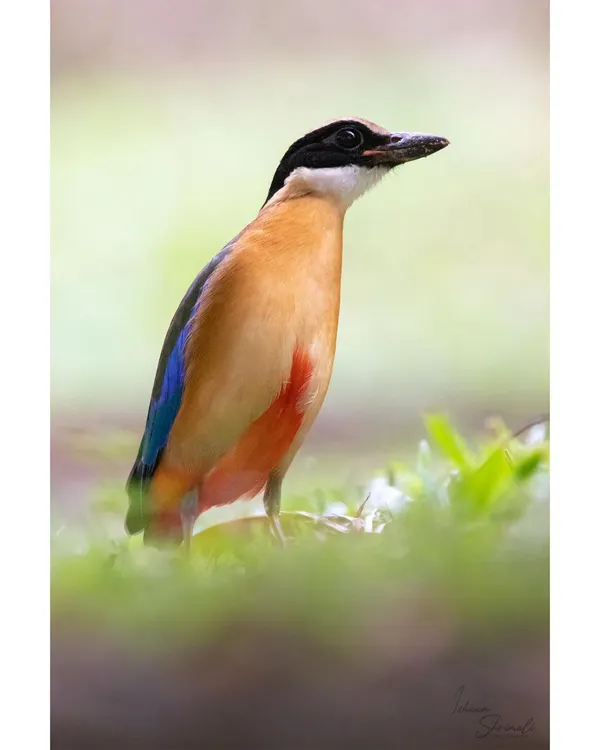
Wildlife Portraits and Behavior Studies
 10
10
Wildlife Portraits & Animal Encounters
 13
13
Authentic Wildlife Moments Captured in Nature
 4
4
Wildlife and Nature Documentation Services
More from Commissioned Wildlife & Conservation Photography by Hema
More services by Hema